
Industry
How Modern Warehouses Manage Severe Heat Stress

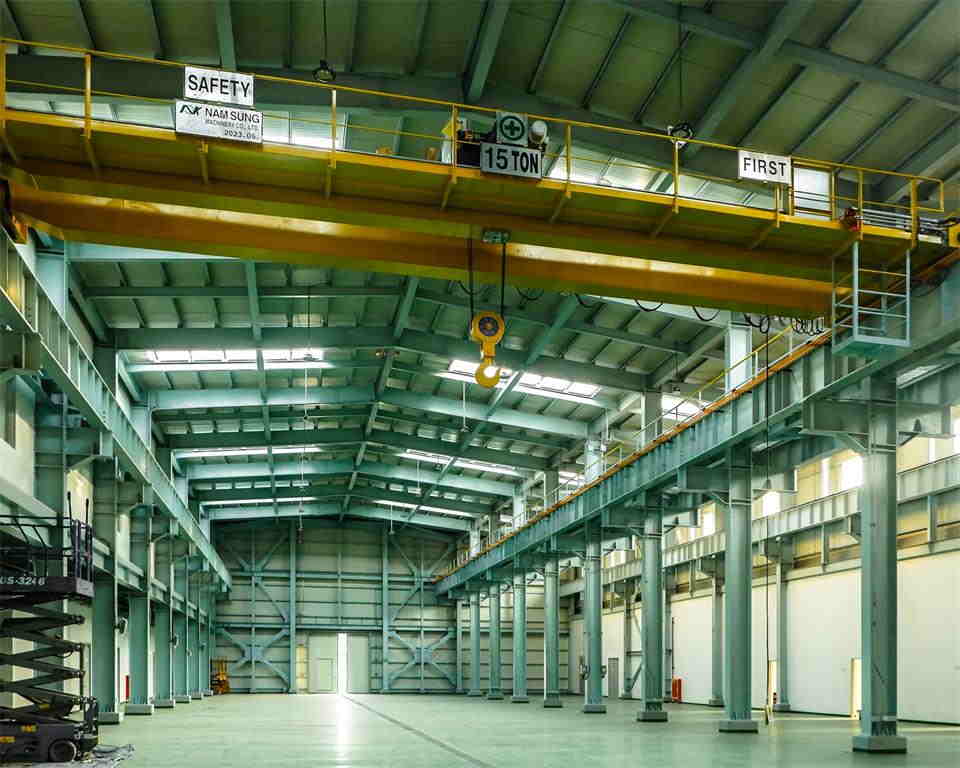
Severe indoor heat can slow warehouse operations, increase errors and put employees at risk of heat-related illness. Large doors, high ceilings, equipment loads and constant movement make temperature control especially difficult during hot weather.
A practical heat management plan must combine cooling equipment, measured airflow and clear work procedures instead of relying on a thermostat alone. Implementing these engineering controls alongside official extreme heat safety tips helps prevent dangerous core body temperature spikes in high-risk industrial environments.
The Real Impact of High Indoor Heat
Warehouse heat affects far more than comfort. As the body works to control its temperature, employees may experience fatigue, headaches, dizziness and reduced concentration. Those effects can make routine tasks such as scanning inventory, picking orders or operating material-handling equipment more difficult.
Humidity, workload, clothing and air movement all affect the level of risk. A temperature that feels manageable near an open loading door may become dangerous in a mezzanine, trailer or tightly packed storage aisle. Radiant heat from the roof and warm air rising through the building can also create much hotter conditions above ground level.
Supervisors should watch for changes in work quality and physical symptoms. An employee who becomes unusually confused, unsteady or irritable may need immediate attention.
Heat can also affect productivity, increase errors and damage temperature-sensitive inventory. Investing in commercial facility upgrades can help warehouses maintain safer working conditions and protect valuable equipment. Tracking indoor temperatures, downtime and employee reports can help managers identify problem areas and prioritise improvements.
Limitations of Standard HVAC Systems
Conventional air conditioning can work well in enclosed offices, break rooms and other insulated spaces. A warehouse presents a different challenge. High ceilings create a large volume of air to condition, while loading bays repeatedly introduce outdoor heat. Gaps around dock equipment and frequent vehicle movement add to the cooling load.
Air conditioning can also produce uneven results. Supply vents may cool the upper part of an open area without delivering enough air to employees at floor level. Racking, stored products and temporary partitions can block circulation. In a facility with several work zones, one thermostat may provide little information about the conditions employees actually experience.
Maintenance and operating costs also matter. Filters, ducts, compressors and controls all require attention, especially when dust or debris is common. Running a central system harder during a heat wave may raise electricity use without fixing isolated hot spots.
Facilities teams should map the building before expanding an existing system. Note ceiling height, door schedules, heat-producing machinery and the number of people assigned to each zone. Qualified professionals can perform smoke testing, or you can use temporary airflow sensors, to reveal stagnant areas. This assessment may show that enclosed rooms need mechanical air conditioning while open bays need targeted air movement and supplemental cooling. Matching the method to each zone often produces better results than treating the entire building as a single space.
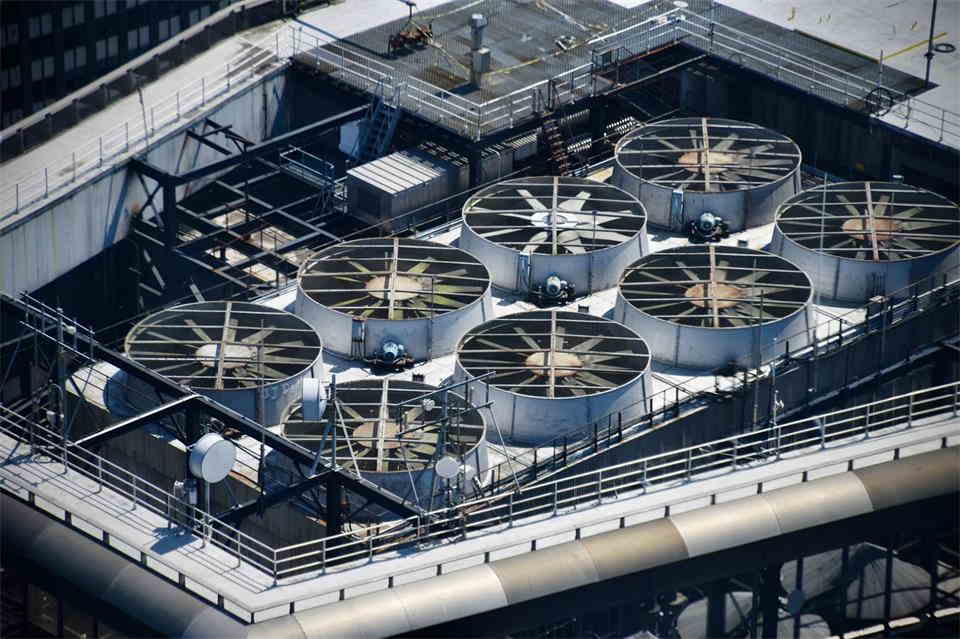
Deploying Evaporative Coolers in Open Bays
Evaporative cooling can be a practical option for large, open work areas in dry climates. These units draw warm air through water-saturated media, which lowers the air temperature as water evaporates. They also support continuous air exchange, making them well suited to spaces where doors remain open for much of the day.
When evaluating evaporative coolers, managers should compare airflow capacity, water supply requirements, mobility and control settings with the size and daily use of each zone. Portable units may serve changing workstations, while larger commercial models can support packing lines or loading areas that stay active throughout a shift.
Placement strongly affects performance. Position the unit where it can draw in fresh air, then provide an exit path for warm and humid air on the opposite side of the space. Avoid aiming airflow directly into a wall, tall rack or stack of cartons. A clear path allows cooled air to move through the occupied zone.
Evaporative units add moisture, so they’re less effective when outdoor humidity is already high. Managers must also review product storage requirements before installation because some paper goods, foods or sensitive materials require controlled humidity. Water quality and maintenance matter too. Pads, pumps and reservoirs need regular inspection to prevent mineral buildup and loss of cooling capacity.
Test any proposed layout during actual operating hours. Measure conditions at employee height near workstations, not only beside the unit. A short trial can reveal whether the equipment reaches the intended area and whether additional exhaust openings or repositioning will improve coverage.
Real-Time Airflow Monitoring
A temperature reading from the office wall doesn’t describe conditions across a warehouse. Facilities need data from the places where employees spend their time, including loading docks, upper storage levels, packing stations and enclosed corners. Real-time sensors provide a clearer view of how heat changes during the day.
A basic monitoring network can track temperature and relative humidity at several fixed points. More advanced systems may also measure air speed and calculate heat index values. Place sensors at representative working heights and keep them away from direct sunlight, cooling outlets and other conditions that could distort readings.
Use the collected data to establish action thresholds. For example, a dashboard alert might prompt a supervisor to check water stations, move portable cooling equipment or increase recovery breaks. The exact response should reflect workload, humidity and employee acclimatization. A worker returning after an extended absence may need more gradual exposure than someone who has worked in warm conditions for several weeks.
Monitoring also helps facilities teams evaluate equipment changes. If a fan is relocated or a cooler is installed, compare readings from similar weather days before and after the change. Look for reductions in peak temperature as well as improvements in airflow across occupied zones.
Current heat readiness strategies also highlight building-level measures such as roof maintenance, ventilation checks and advance planning. Pairing sensor data with these inspections can expose patterns, such as a south-facing loading area that overheats every afternoon or a roof section that transfers excessive heat after midday.
Establishing Safe Operational Protocols
Cooling equipment works best within a written heat safety program. Employees need to know how to recognize symptoms, where to find drinking water and whom to contact when a coworker appears unwell. Train before peak heat arrives, with short refreshers during extended hot periods.
Set practical rules that supervisors can apply consistently:
- Provide cool drinking water close to active work areas and allow employees to drink regularly.
- Schedule physically demanding tasks for cooler parts of the shift when operations permit.
- Use shaded or air-conditioned recovery areas for scheduled breaks.
- Introduce new and returning employees to hot work gradually.
- Create a clear response plan for cramps, dizziness, confusion or loss of coordination.
- Confirm that no employee showing serious symptoms is left alone.
Workstation design can reduce physical strain during hot conditions. Adjustable tables, lift assistance and frequently used supplies placed within easy reach limit unnecessary exertion.
Managers should also define who has authority to slow production, rotate teams or temporarily close a hot zone. Employees are more likely to report early symptoms when they know the procedure won’t be treated as a performance failure. Document incidents and near misses, then review them with temperature and airflow records to find recurring trouble spots.
Before each hot season, run a brief drill that covers symptom reporting, supervisor response and access to the recovery area. The most useful test is concrete: confirm that a worker in the hottest measured zone can reach water, assistance and a cooler space within minutes.

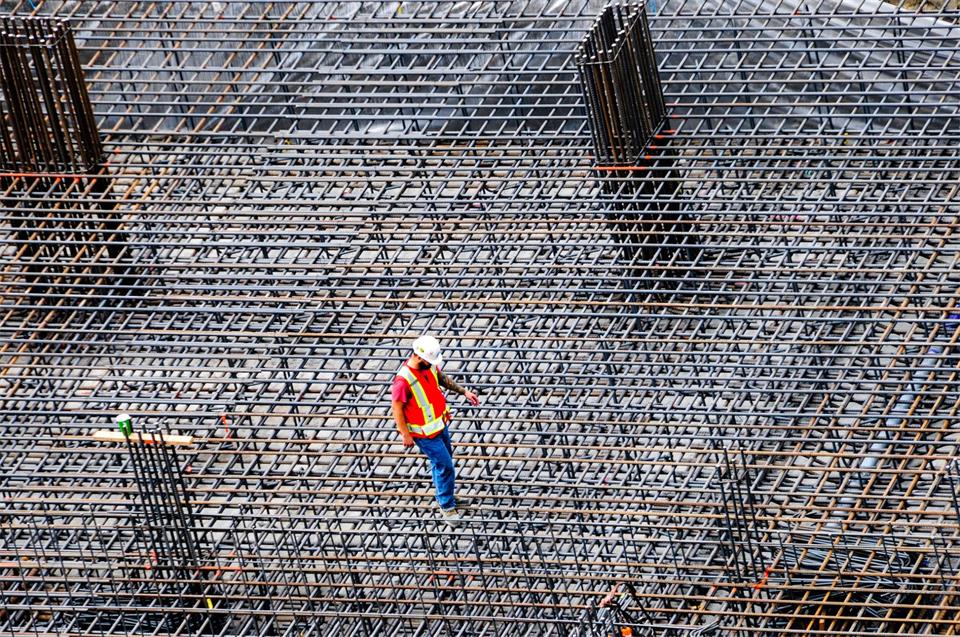
Are unstable ground conditions, restricted access, or poorly planned equipment zones putting your structural upgrade project at risk? Inadequate site preparation can cause delivery delays, safety hazards, and disruption to nearby occupants. Learn how to assess ground capacity, organize staging areas, select suitable machinery, and protect tenants and the public before construction begins.
Assessing Ground Stability and Access
Start with the ground beneath every planned machine position, material stack, and delivery route. A paved surface may look sound while hiding poorly compacted fill, damaged drainage, or underground services that limit its capacity. Review geotechnical reports, utility plans, and previous excavation records, then confirm current conditions through an on-site inspection.
Pay close attention to slopes, soft shoulders, and recent trenches. Structural upgrade projects often take place beside occupied buildings, where access roads were designed for cars and light service vehicles. A narrow turn, low overhead clearance, or weak utility cover can stop a delivery at the gate. Record route widths, turning space, gradients and vertical clearances instead of relying on visual estimates.
The ground assessment should also account for changing weather. Rain can reduce bearing capacity, wash material onto access roads and create standing water near operating areas. Prepare drainage paths and specify where temporary ground protection will be required.
Mark approved travel routes on the site logistics plan and verify them after each major phase. Excavation, temporary works and material storage can alter commercial site access within days. A short inspection before each large delivery is far less costly than recovering a vehicle from unstable ground or rescheduling a crew that can’t reach its work area.
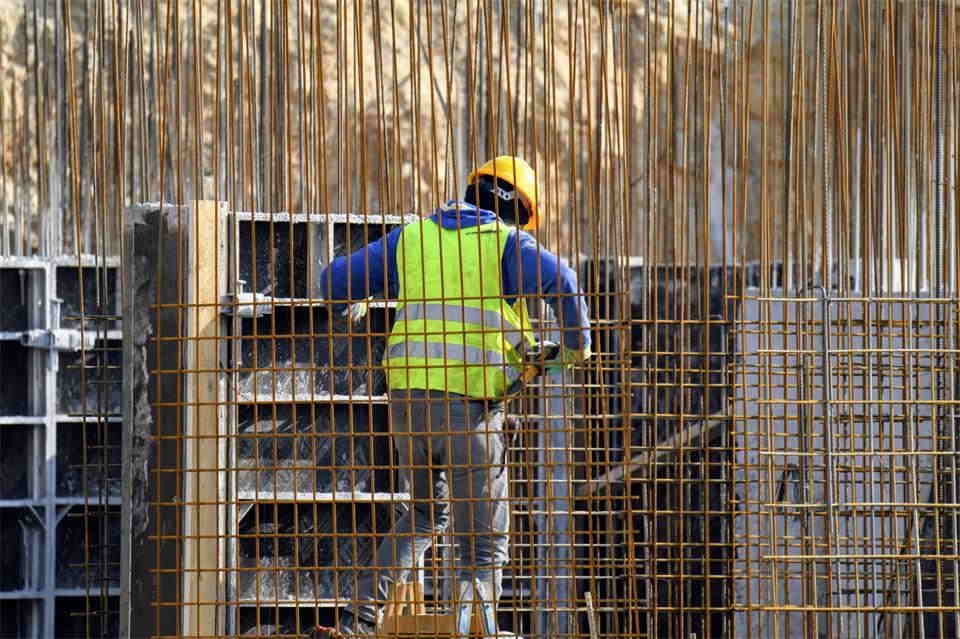
Staging Zones That Maintain Flow
A well-positioned staging zone keeps materials moving without turning the center of the jobsite into a storage yard. Place it close enough to the active work area to reduce repeated handling, while preserving clear paths for workers, deliveries, and emergency access. Where space is tight, schedule timed deliveries and divide the zone into clearly marked areas for incoming goods, inspected materials, and items ready for installation.
Plan equipment selection alongside the staging layout. Spreaders, stabilizing supports, and material handling accessories need enough room for inspection, connection, and safe storage. When project teams compare lifting equipment for construction, they should check rated capacity, load dimensions, attachment compatibility, and the space required to position each item. Those details affect the staging footprint and may determine the order in which structural components arrive.
Keep pedestrian routes physically separated from loading and transfer areas wherever the site allows. Barriers, signs, and high-visibility floor markings help, but the layout should provide the main protection. Workers shouldn’t have to cross an active unloading point to reach welfare facilities or enter the building.
Assign someone to manage the zone during peak delivery periods. That person can confirm booking times, direct drivers, and prevent unapproved storage from narrowing access. Review the layout as the project moves through its main construction phases, since a location that works during demolition may become unsuitable once installation begins. Updated plans should show current travel lanes, exclusion areas, and short-term storage limits so every contractor works from the same information.
Selecting Key Machinery for High Reaches
High-reach work requires equipment that suits the load, working height, and available setup area. Maximum height alone gives an incomplete picture. Project teams also need to consider horizontal reach, platform or attachment capacity, ground pressure, operating radius, and clearance from the existing structure. A machine that can reach the roofline may still be unsuitable if its rated capacity drops sharply at the required extension.
Use verified load information during selection. Structural beams, facade panels and mechanical units should have documented weights, dimensions and approved connection points. Include lifting accessories in the total load calculation and allow for the configuration shown in the manufacturer’s instructions. An engineer or other qualified specialist should review unusual loads and any operation close to the equipment’s limits.
Setup conditions deserve equal attention. Identify the full operating area on the logistics plan, including stabilizer positions and controlled zones around overhead work. Check that the ground assessment covers those exact points. Machinery placed only a few feet from the planned position may sit over different fill, a service trench, or a basement structure with a lower load limit.
Build inspection time into the schedule before work starts. Operators need a clear handover covering site hazards, approved routes, and communication methods. The lift or access plan should also identify weather limits, shutdown procedures, and the person authorized to pause the task. Wind can affect large panels at relatively low speeds, even when the machinery itself remains within its general operating limit.
Finally, confirm how equipment will leave the site. Newly installed frames, scaffolding, or stored materials can block the original exit route. Planning the removal sequence now prevents expensive dismantling later.
Minimizing Tenant and Public Disruption
Structural upgrades often happen beside occupied offices, homes, or public spaces. Site readiness must therefore cover people outside the construction team. Map entrances, sidewalks, parking areas, and delivery bays that tenants or visitors use. Then identify where noise, dust, vibration, or temporary closures could affect normal activity.
Set predictable working windows and communicate them early. A notice should state the date, expected duration, and practical effect of the work, such as a closed entrance or several hours of intermittent noise. Provide an alternate route before closing the usual one. Vague warnings create confusion, while specific information helps building managers and occupants adjust appointments, deliveries and accessibility arrangements.
Dust controls should match the task and building layout. Use physical screening, local extraction and sealed internal doors where work takes place near occupied rooms. Protect air intakes from nearby dust sources and arrange cleaning at the end of each shift. General site preparation guidance also emphasizes hazard identification, access control and clear work zones before construction begins.
Monitor vibration when work occurs near sensitive equipment, fragile finishes or neighboring structures. Establish baseline conditions with photographs and written records, then agree on alert levels before heavy work starts. Noise monitoring may also be appropriate near schools, clinics or residential buildings.
Public protection requires daily attention. Covered walkways, barriers and signs can shift or become damaged as work progresses. Inspect them at the start of each shift and after deliveries or severe weather. Keep complaint and incident reporting channels simple, with one named contact who can respond quickly. A prompt adjustment to delivery timing or barrier placement can prevent a minor inconvenience from becoming a lasting source of conflict.
The final readiness check should happen at the actual workface, not around a meeting table. Walk the delivery route, stand where each machine will operate, and confirm that the latest structural work hasn’t changed clearances or ground conditions. That physical check gives the team one last chance to correct a practical problem before the most demanding work begins.
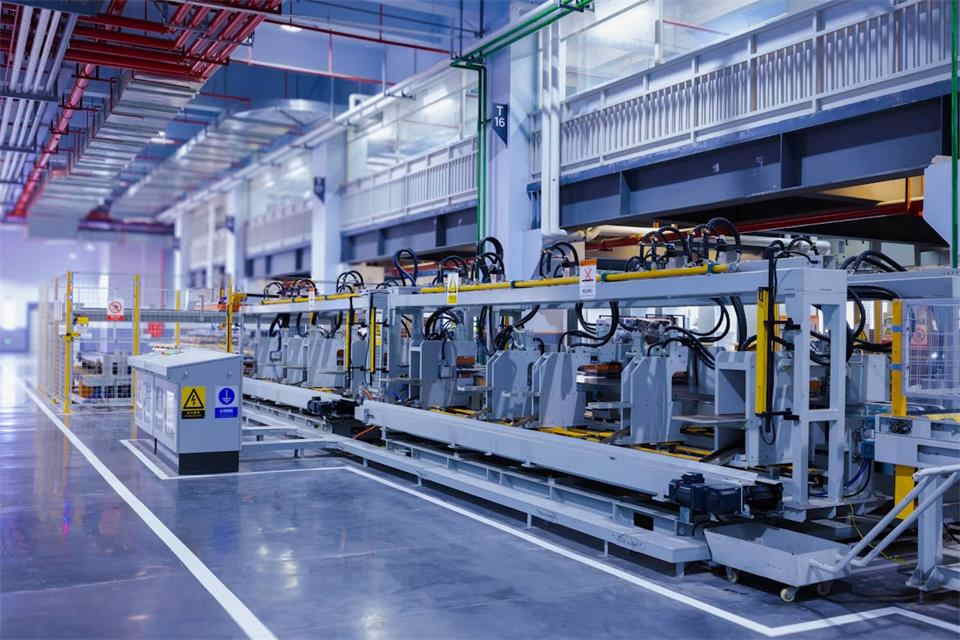
Industrial finishing lines perform best when every component supports a consistent cycle. Stable air pressure, well-placed controls, and equipment matched to the coating process can reduce delays while improving finish quality.
Those gains rarely come from replacing an entire line at once. Most facilities can start by studying current performance, finding recurring losses and improving the areas that have the greatest effect on output.
Find the Real Sources of Lost Time
Start with measurable production data. Track cycle times, changeovers, rework, pressure fluctuations and unplanned stops for at least two weeks. Operators should record when an issue occurred and what was happening at the time, since a simple maintenance log may reveal patterns that automated reports miss.
Air leaks, clogged filters, and poorly adjusted controls can create small delays that add up across a shift. A useful overview of pneumatic automation explains how controlled air systems support repeatable industrial movement and processing.
Set a baseline before changing equipment. If a line currently completes 40 parts per hour with a 7 percent rework rate, those figures give you a clear way to judge each improvement.
Match the System to the Finishing Process
Standard equipment may work for a simple operation, but unusual part shapes, changing production volumes or strict finish requirements often call for a purpose-built setup. Businesses evaluating custom high point pneumatics can consider system design, installation needs and the specific demands of powder or liquid finishing processes together.
Map the full production path before selecting components. Include part loading, surface preparation, coating application, curing and unloading. This reveals where pressure requirements change and where controls need to coordinate with conveyors or other equipment.
Plan for future products as well. A system designed around one part size could become restrictive if the facility expects to add larger pieces or faster color changes within the next few years.
Control Air Quality and Pressure
Compressed air must arrive at the required pressure and in suitable condition. Moisture, oil, or debris can affect valves and application equipment, while excessive pressure wastes energy and may increase wear. Low pressure can produce inconsistent operation, especially when several devices draw air at the same time.
Check pressure at the point of use while the line is operating. A gauge near the compressor may appear normal even when long piping runs, undersized fittings or dirty filters cause a drop farther downstream.
Maintenance teams should also inspect drains, regulators and filter elements on a fixed schedule. Base replacement intervals on actual operating conditions. A busy facility with humid intake air may need more frequent service than a climate-controlled plant running a single shift.
Build Maintenance Into the Workday
Preventive maintenance works best when it fits production routines. Assign short daily checks to operators and reserve more technical inspections for trained maintenance staff. Clear ownership prevents small concerns from remaining unreported until they stop the line.
Daily checks might cover visible leaks, unusual sounds, gauge readings, and loose connections. Weekly or monthly work can include filter inspection, hose condition checks and regulator testing. This industrial pneumatic guide offers added context on efficiency, upkeep and safe industrial use.
Keep common replacement parts organized near the line. Labels should show the component number and compatible equipment so technicians don’t lose valuable time searching during a repair.
Use Data to Guide the Next Upgrade
After making a change, compare the new results with the original baseline. Look beyond total output. A faster line provides limited value if material use rises or rework increases, so track finish defects, energy consumption, maintenance hours, and production volume together.
Test one significant adjustment at a time when practical. If you change pressure settings, control timing and application equipment during the same trial, you may struggle to identify which adjustment produced the result.
The best upgrade may be surprisingly modest. Correcting a pressure drop, moving a control closer to the process or revising a maintenance interval can deliver a measurable improvement without interrupting production for a major rebuild.
Keep Operators Part of the Process
Operators often notice subtle changes before monitoring systems generate an alert. A valve may sound different, a coating pattern may begin to shift, or a cycle may take a few seconds longer. Give employees a simple way to document those observations and review the notes during regular production meetings.
Training should cover normal pressure ranges, warning signs and the proper response to a fault. Update instructions whenever controls or equipment change, then keep the latest version close to the workstation.
A finishing line becomes easier to improve when its data, maintenance records and operator feedback point to the same recurring issue. That shared evidence helps the team choose the next adjustment based on production results instead of guesswork.
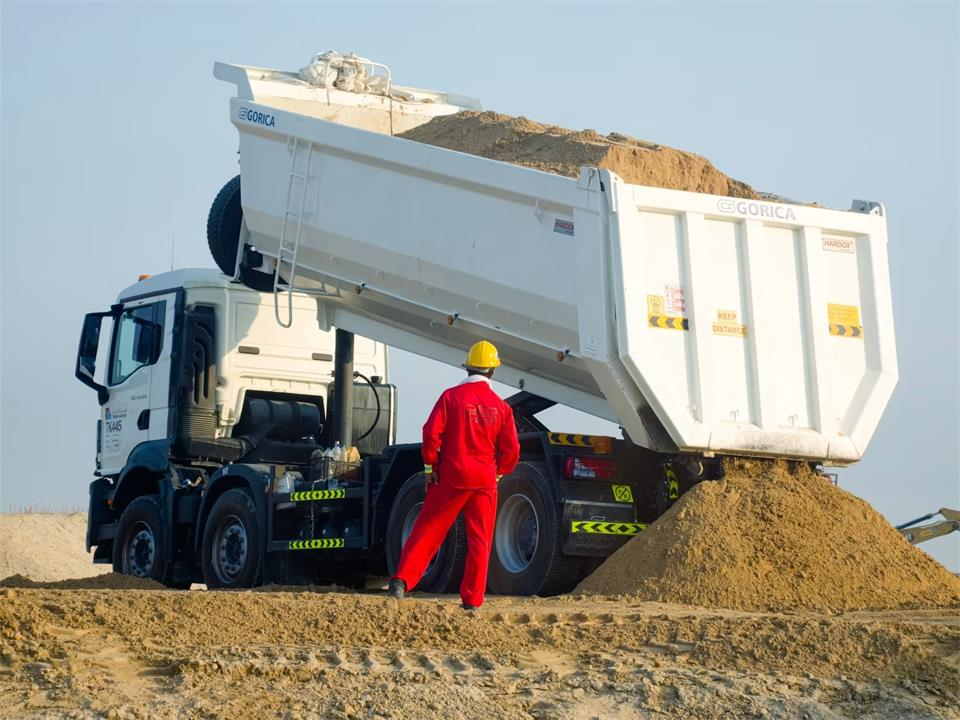
The safety features in today’s industrial vehicles — from backup cameras on delivery vans to advanced collision avoidance systems on heavy-duty trucks — aren’t just clever engineering. They come from a complex mix of public policy, government rules, and new technology.
When we look at how government shapes vehicle design, we see a constant cycle: standards push progress, and that progress then helps create future standards. This back-and-forth makes sure the vehicles in our warehouses, on construction sites, and on our highways get safer for everyone.
Evolution of Vehicle Safety Standards
Vehicle safety has a history of slow, hard-won progress. Early on, when the automotive industry was just starting, safety wasn’t a priority. Manufacturers focused more on how vehicles performed and looked.
Big changes often only happened after tragic accidents caused public outrage. Initial safety standards were reactive, eventually leading to mandatory features we now take for granted, like seatbelts and shatter-resistant windshields.
A key moment highway safety breakthrough was when safety equipment went from being optional to standard, fundamentally changing how manufacturers and the public saw a vehicle’s basic responsibilities.
Over time, the focus has shifted. We used to concentrate on passive safety — features that protect people *during* a crash. Now, we’re more concerned with active safety, which tries to *prevent* crashes altogether. Technologies like anti-lock braking systems (ABS) and electronic stability control (ESC) were pioneers here.
These systems use sensors and software to help drivers keep control in emergencies. For industrial vehicles, this shift has been especially important. Because these vehicles are so large and heavy, preventing an accident is far better than just lessening its impact.
Today’s standards increasingly reflect this proactive approach, pushing for integrated systems that watch the vehicle’s surroundings and can step in automatically to avoid danger.
Government Mandates Driving Innovation
Government regulations often kickstart new safety technologies, moving them from ideas to mass production. When the government requires a specific safety feature, it gives manufacturers a clear, non-negotiable goal.
This removes the disadvantage of adding costs for a feature that competitors might skip. Instead, it levels the playing field, making the whole industry advance together. For instance, the rule requiring electronic stability control in passenger vehicles led to its quick adoption and improvement, and that technology has since been adapted for heavy trucks and buses.
This process isn’t always simple. Creating rules for complex new technologies needs deep technical understanding and teamwork between government agencies and industry experts. Navigating this complicated regulatory world often calls for specialized knowledge.
This is where a professional Government Affairs Firm can offer crucial guidance. These firms help companies understand upcoming laws, talk with regulators, and ensure new rules are both effective for public safety and practical for manufacturers to implement.
This conversation is vital for shaping the future of automotive technology and regulation, making sure innovation can thrive within clear, predictable rules. The result is a powerful engine for progress, with public policy setting the direction and industry providing the innovation.
The Role of Industry Associations
While government rules set the minimum safety requirements, industry associations often help raise the bar even higher. Groups like SAE International, the American Trucking Associations (ATA), and the Association of Equipment Manufacturers (AEM) are key players in developing and promoting best practices.
They bring together competing manufacturers, suppliers, and end-users to work on shared challenges. This collaboration can lead to voluntary standards that address new safety issues long before government regulations are put in place.
These voluntary standards aren’t just suggestions; they often become the unofficial industry benchmark for quality and safety. For example, an association might create a standard testing method for a new type of sensor or a recommended way to design driver assistance system interfaces.
Companies that adopt these standards can show customers they’re committed to safety beyond what the law requires. In many cases, these industry-developed standards eventually become the technical foundation for future government regulations.
This cooperative model lets the industry use its combined technical expertise to solve problems efficiently, while also giving regulators a clear path to turn those solutions into law.
Global Policy Trends in Vehicle Safety
In our global economy, vehicle safety policy doesn’t happen in isolation. Rules set in one major economic region, like the European Union or the United States, can affect the whole world. Manufacturers aim to build “world cars” or “world trucks” — vehicles that can be sold in many markets with few changes.
This gives a strong reason to harmonize safety standards. When one market introduces a tough new requirement, it often becomes cheaper for a global manufacturer to use that standard across all its products rather than making different versions for different countries.
A big focus today is developing policies for automated vehicle safety. As vehicles become more capable of driving themselves, governments worldwide are figuring out how to regulate them. This includes everything from defining automation levels to setting requirements for cybersecurity and data recording.
The policy challenges of self-driving cars and industrial vehicles are huge, needing international cooperation to ensure a truck operating semi-autonomously in one country behaves predictably when it crosses a border into another.
Organizations like the United Nations’ World Forum for Harmonization of Vehicle Regulations (WP.29) are crucial places for these discussions, working to create a common technical and legal framework for safely rolling out future vehicle technologies.
Designing for Compliance and Performance
For engineers and designers at vehicle manufacturing companies, policy isn’t some abstract idea; it’s a core design limitation. The challenge is to meet or exceed every applicable safety regulation while also delivering a vehicle that’s efficient, reliable, and profitable. This is a delicate balancing act.
Adding a new safety system might add weight, which could reduce a truck’s fuel economy or payload capacity. Integrating a new sensor might require an expensive redesign of the vehicle’s body or electrical system.
To handle this complexity, leading manufacturers no longer treat safety as an add-on. Instead, compliance is built into the design process from the very start.
Using advanced computer-aided engineering (CAE) and simulation tools, engineers can model how a vehicle will perform in various crash scenarios and test different safety systems long before a physical prototype is ever built.
This “virtual prototyping” lets them explore different design options, spot potential problems early, and optimize the vehicle for both safety and performance. The goal is to create a vehicle where the safety systems are so seamlessly integrated that they improve the operator’s experience rather than getting in the way.
This approach not only ensures compliance but also results in a better, safer, and more effective product.
Even well-designed collision avoidance and backup systems cannot prevent every crash. When an industrial vehicle or truck accident causes injuries, questions about equipment failure, maintenance, operator training, and responsibility may become part of a claim. An injured person may consult an accident lawyer to understand their legal options and determine what evidence could help establish liability. Maintenance records, inspection reports, and safety-system data may help investigators piece together what happened. In this way, records maintained to support vehicle safety can also become relevant when investigators examine a collision.
Ultimately, the relationship between policy and industrial vehicle safety is a powerful feedback loop. Regulations push manufacturers to innovate, and those innovations then show what’s possible, paving the way for the next generation of even more effective safety standards.
This cycle of continuous improvement is what will keep driving the safety of our industrial vehicles forward for years to come.

Essential Safety Standards for High-End Recreational Amenities

How Modern Warehouses Manage Severe Heat Stress

The Real Cost of Neglecting Commercial Drainage

Creating a Pet-Friendly Office That Actually Works

How Hiring a Reno Personal Injury Attorney Secures Maximum Casino Settlement Payouts

125 Inspirational Car Quotes and Captions to Celebrate Your New Car

188 Deep Hurt Quotes with Images

148 Romantic Love Quotes for Her from the Heart

164 Relationship Goals Quotes for New Couples Expecting a Long Lasting Relationship

185 Cute Boyfriend Quotes for the Guy You Love
-
 Quotes6 years ago
125 Inspirational Car Quotes and Captions to Celebrate Your New Car
-
Growth6 years ago
188 Deep Hurt Quotes with Images
-
Quotes6 years ago
148 Romantic Love Quotes for Her from the Heart
-
Quotes5 years ago
164 Relationship Goals Quotes for New Couples Expecting a Long Lasting Relationship
-
Quotes6 years ago
185 Cute Boyfriend Quotes for the Guy You Love
-
Quotes6 years ago
141 Best Heart Touching Quotes about Love, Life, and Friendship
-
Quotes5 years ago
134 Time Flies Quotes for the Unforgettable Moments
-
Quotes6 years ago
122 Inspirational Kite Quotes That’ll Make You Wanna Fly Right Now