
Pets
Creating a Pet-Friendly Office That Actually Works

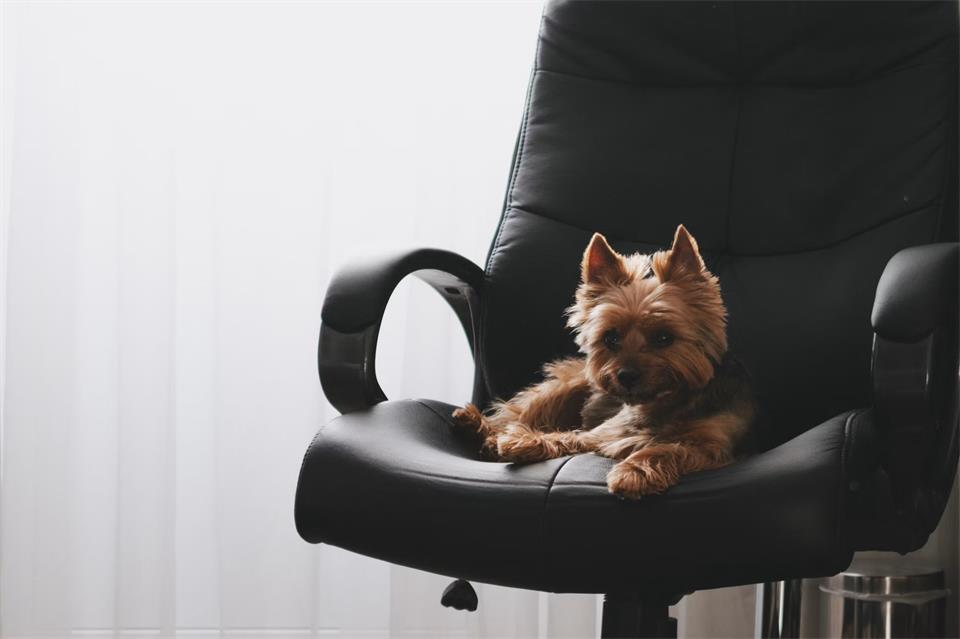
Bringing dogs into the workplace can create a more welcoming environment, but without clear expectations, barking, allergies, distractions, and uncomfortable interactions can quickly frustrate employees. Businesses need a way to accommodate four-legged visitors without compromising staff comfort, safety, or productivity. Discover how thoughtful pet policies, behavioral standards, and designated spaces can help create a workplace where both employees and dogs feel comfortable.
Setting Ground Rules for the Workspace
Start with a written policy that explains which pets may visit, when they’re allowed, and who remains responsible for them. Just like any other workplace rule, these expectations should be clearly communicated so everyone understands their responsibilities. Having clear workplace conduct guidelines can also help managers maintain consistency, address concerns fairly, and create a respectful environment for employees and their four-legged visitors. Your rules should reflect your floor plan, staffing needs, and daily workflow.
Require employees to request approval before bringing a dog to work. The request can include vaccination records, emergency contact information, and confirmation that the employee accepts responsibility for supervision and cleanup. Consider starting with a 30-day trial period or limiting visits to certain days until you know how the arrangement affects the team.
Your policy should also cover practical issues. Dogs should remain with their owners, use an appropriate leash in shared spaces, and stay out of kitchens or food storage areas. Set a reasonable limit on the number of dogs allowed each day. In a small office, one or two may be manageable while five could create noise and crowding.
Establish Clear Behavioral Baselines
A dog’s behavior at home doesn’t always predict how it will act in a busy office. Delivery workers, rolling chairs, ringing phones, and unfamiliar visitors can trigger stress or excitement. Before approving regular visits, schedule a short assessment during a quiet part of the day. Watch how the dog responds to new people, sudden movement, and basic cues from its owner.
Set measurable standards. An office-ready dog should remain calm near coworkers, respond promptly when called, and settle in one place for a reasonable period. Persistent barking, lunging, guarding food, or jumping on visitors calls for removal from the office until the behavior has been addressed. Puppies may need extra support because bladder control and social skills are still developing.
Owners dealing with those developmental needs may consider professional puppy behavior training before introducing a young dog to a shared workplace. Structured instruction can help owners build reliable routines and address disruptive habits early.
Give managers discretion to end a visit when a dog appears overwhelmed. Pacing, hiding, whining, and repeated attempts to escape the workspace signal that the environment may be too stressful that day. A calm departure protects the dog and keeps a minor issue from becoming a larger disruption.
Managing Allergies and Staff Boundaries
Ask employees about allergies, sensitivities, and personal boundaries before launching the policy. Give them a private way to respond, since some people may not feel comfortable discussing a health condition in a team meeting. Their feedback should shape where dogs can go, how often they visit, and what cleaning schedule the office needs.
Create pet-free routes to desks, restrooms, and exits. An employee shouldn’t have to pass close to a dog to reach essential areas. High-efficiency air filters, regular vacuuming, and washable furniture covers can help control dander, though physical separation may still be necessary for someone with significant allergies. The practical suggestions in this office pet guide also cover preparation and workplace safety.
Personal preferences deserve respect even when no medical issue exists. Some employees may be uncomfortable around dogs because of past experiences, cultural views, or simple preference. Require owners to ask before allowing contact, and make pet-free meeting rooms the default.
Review the arrangement after the first month. A short anonymous survey can reveal concerns that employees haven’t raised directly. If one department reports frequent interruptions, adjust visiting hours or designate specific pet days instead of expecting the team to tolerate an ongoing problem.
Designating Quiet Zones and Relief Areas
Give each approved dog a designated settling area near its owner, with a washable mat, water bowl, and secure barrier. Keep it away from busy walkways, reception desks, and elevators.
Maintain at least one dog-free room for focused work, calls, and breaks. Clearly mark pet-friendly areas and secure loose cords, trash cans, and unstable shelves.
Provide an accessible outdoor relief area with waste bags and a covered bin. Owners should schedule regular breaks and clean up immediately. Young dogs may need breaks every two hours and after meals.
Keep basic cleaning supplies in one known location and establish a process for accidents. The owner should handle immediate cleanup while facilities staff manage any needed sanitation. If accidents become frequent, pause that dog’s office access until the owner can establish a reliable routine.
A pet-friendly policy succeeds when the office remains comfortable and productive for everyone in it. Schedule a formal review every six months, record recurring concerns, and revise the rules when the space or team changes. The clearest measure of success is simple: employees can work without disruption while approved dogs remain calm, supervised, and secure.

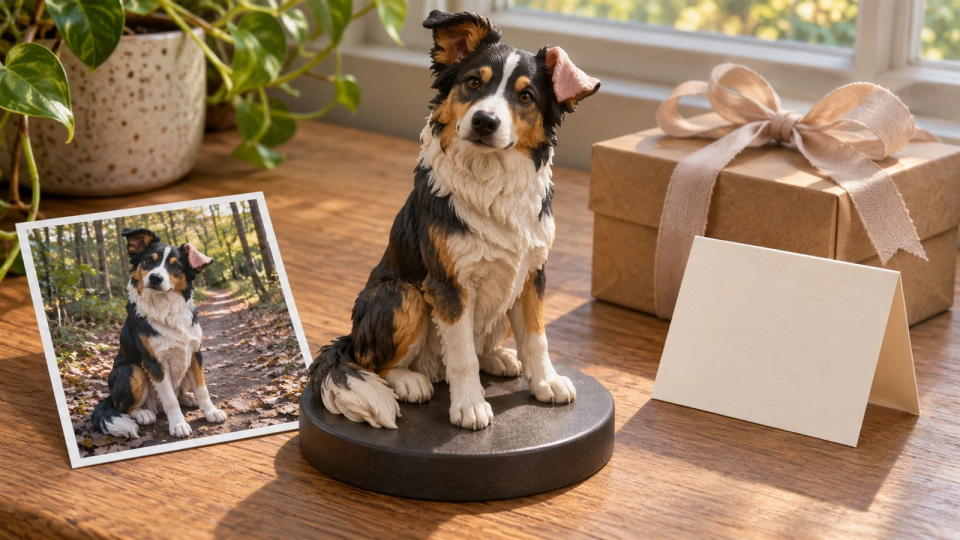
Think of the dog photo your sister always shows you. In this one, her dog is sitting in the middle of the trail you walk together on Sundays, with one ear flipped inside out. She laughs every time she sees it. If her birthday is coming up, that photo gives you a place to start. You already know which moment she’d enjoy seeing again.
A thoughtful gift for a dog lover can start with a photo they already love. Think about what draws them back to it, then choose a gift that brings that part of the memory into their day.
Start With a Photo They Already Love
The photo someone keeps coming back to might be one they’ve sent to the family group chat three times or the one they show you when they tell a story about their dog. In your sister’s case, it’s that Sunday walk. She remembers calling the dog over for a picture and getting that very serious expression under an ear that refused to sit right.
If you haven’t seen the photo in a while, ask her to send it to you again. You can tell her you were thinking about that walk. If she talks about the whole morning, the setting may be what she wants to remember. If she goes straight to the ear, you know what she’ll look for first when she unwraps the gift.
Turn That Memory Into a Personalized Gift
A framed print is a good fit when the setting is part of the story. Your sister could put it near the door, where she grabs the leash before a walk. If she has a whole series of pictures from that trail, a small album gives her room to revisit the day in order. Start with the dog waiting by the door and end with the muddy paws back at home. A handwritten caption can bring back the moment between the two. If you’re still weighing a few options, browse Rene Turrek’s gift ideas with that favorite photo in mind.
For someone who enjoys keeping small mementos on their desk, a figurine gives the dog itself a place in the room. Picture your sister looking up from work and seeing that familiar upright pose next to her coffee cup. If the folded ear is what makes her laugh every time, it’s also the detail that makes the figurine a gift you could only have picked for her.
Give Them a Custom Figurine of Their Dog
SnapFig is a custom figurine brand that turns customer photos into three-dimensional keepsakes of people and pets. For a dog lover, that can mean a miniature of the dog they come home to every day, with familiar details such as a white patch on the chest or a crooked ear. It’s an option for someone who already keeps pet photos nearby and has a spot on a desk or shelf for a small keepsake.
It offers a digital preview before production. For your sister’s gift, you can flag the folded ear when you send the photo and check how it looks in the preview. If you’re ordering during Black Friday, check whether the option you want appears in SnapFig’s Black Friday sale. Before ordering for a birthday, check the estimated arrival date and the seller’s return terms.FTC online shopping guidance.
How a Photo Becomes a Figurine
- Upload. Send the reference photo and a short note about the feature you want to preserve.
- Preview. Compare the digital design with the photo. Look at the coat markings and the way the dog is sitting.
- Approve. If something looks off, describe the change you’d like. Confirm the design when you’re happy with it.
- Print. The approved design goes into production. Allow time for the preview and any revisions as well as printing and delivery.
What Your Photo Needs
Choose a sharp, well-lit image that shows the dog’s face and coat markings clearly. A full-body photo helps if the sitting pose is part of what makes the picture special. If your favorite trail shot is a little dark, you can include a brighter photo to show details that are hard to see. The original can still be part of the gift.
Conclusion
Slip the trail photo inside the birthday card and write a line about the walk. “That ear still makes me laugh. Same trail on Sunday?” The figurine gives your sister something to enjoy at her desk. The photo and the note tell her why you chose that particular moment.

The Real Cost of Neglecting Commercial Drainage

Creating a Pet-Friendly Office That Actually Works

How Hiring a Reno Personal Injury Attorney Secures Maximum Casino Settlement Payouts

New vs. Used Boats: Which Is the Better Investment?

Is Your Jobsite Ready for Major Structural Upgrades?

125 Inspirational Car Quotes and Captions to Celebrate Your New Car

188 Deep Hurt Quotes with Images

148 Romantic Love Quotes for Her from the Heart

164 Relationship Goals Quotes for New Couples Expecting a Long Lasting Relationship

185 Cute Boyfriend Quotes for the Guy You Love
-
 Quotes6 years ago
125 Inspirational Car Quotes and Captions to Celebrate Your New Car
-
Growth6 years ago
188 Deep Hurt Quotes with Images
-
Quotes6 years ago
148 Romantic Love Quotes for Her from the Heart
-
Quotes5 years ago
164 Relationship Goals Quotes for New Couples Expecting a Long Lasting Relationship
-
Quotes6 years ago
185 Cute Boyfriend Quotes for the Guy You Love
-
Quotes6 years ago
141 Best Heart Touching Quotes about Love, Life, and Friendship
-
Quotes5 years ago
134 Time Flies Quotes for the Unforgettable Moments
-
Quotes6 years ago
122 Inspirational Kite Quotes That’ll Make You Wanna Fly Right Now