
Business
The Real Cost of Neglecting Commercial Drainage

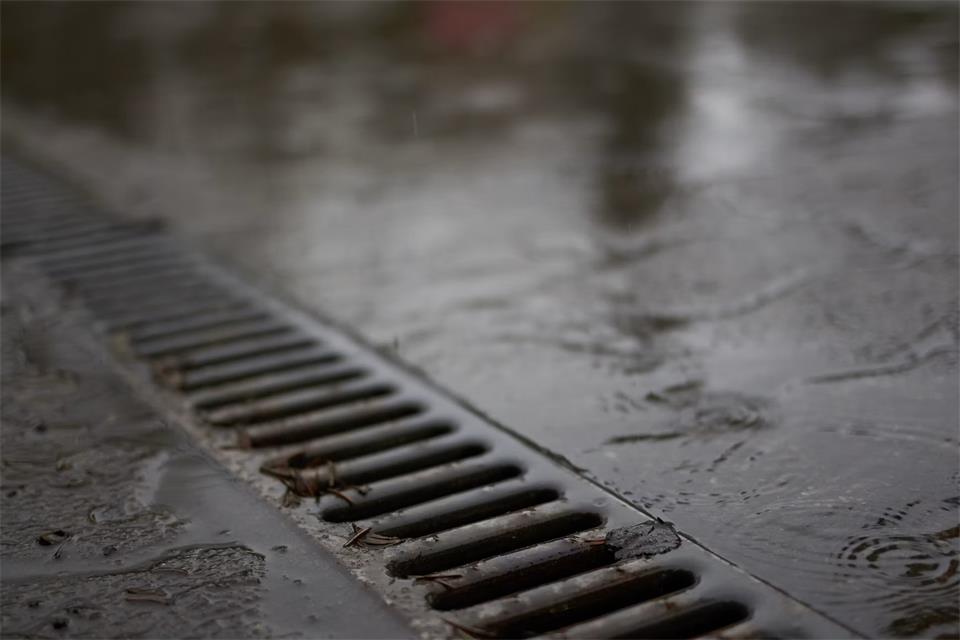
Commercial drainage problems often begin long before water pools near an entrance or a drain overflows. Small blockages, cracked lines and poorly graded pavement can slowly damage a property while increasing maintenance expenses. If those issues remain hidden, a business may eventually face interrupted operations, emergency repairs and regulatory scrutiny. Regular inspections and documented maintenance give property managers a practical way to control these risks before they affect customers or revenue.
Unseen Hazards Beneath Paved Lots
Paved surfaces can hide erosion, clogged catch basins and damaged underground pipes. Water that cannot drain correctly may wash away supporting soil, causing asphalt to crack or concrete to settle. The hidden costs of drainage can include foundation damage, premature pavement replacement and repeated patching that never addresses the source.
Parking lot islands also affect runoff. Poor grading around curbs and landscaped areas can trap water or direct it toward pedestrian routes. A review of commercial parking lot islands highlights how seemingly minor design features can create ongoing maintenance costs.
After heavy rain, walk the property and record standing water that remains for more than 24 hours. Note sunken pavement, loose drain covers and sediment around inlets. These clues can reveal developing problems below the surface.
How Backups Halt Daily Revenue
A drainage backup can close restrooms, kitchens, loading zones or customer entrances with little warning. Even a short closure may cause canceled appointments, missed deliveries and lost sales. Restaurants and food retailers face added pressure because wastewater problems can make sanitary operations impossible.
Indirect costs can continue after service resumes. Employees may need overtime to clean affected areas, damaged inventory may require replacement and customers may post complaints online. Water entering electrical or mechanical spaces can extend the disruption from hours to several days.
Create a response plan before an emergency occurs. Staff should know where shutoff points are located, which areas to restrict and who has authority to request urgent service. Keep current building plans and maintenance records accessible off-site so contractors can review the system even when part of the property is closed.
Establishing Regular Preventative Audits
Schedule drainage audits according to property use, site conditions and seasonal weather. A busy retail center may need quarterly catch basin checks, while a smaller office property may use semiannual inspections. Arrange an extra review after major construction or severe storms because debris can enter drains and shifting soil can damage buried lines.
An effective audit should cover:
- Drain flow and visible sediment
- Catch basin depth and structural condition
- Pavement slope, cracks and low spots
- Signs of odors, slow fixtures or recurring backups
- Dates and findings from previous service visits
For Long Island commercial properties with connected wastewater or drainage concerns, septic tank experts can inspect and service septic systems, sewer lines, storm drains and catch basins. Ask for written findings, photographs and recommended repair priorities. This documentation helps you separate urgent defects from work that can enter the next maintenance budget.
Environmental Compliance and Safety Standards
Blocked or damaged drainage systems can send polluted water into streets, soil and nearby waterways. Runoff may carry oil, sediment, cleaning chemicals and waste from commercial surfaces. Property managers must follow applicable wastewater rules, stormwater requirements and local discharge restrictions. Requirements vary by location and business type, so confirm them with the relevant municipal or environmental authority.
Employee and visitor safety also deserves close attention. Standing water can create slip hazards, conceal broken pavement and freeze during cold weather. Wastewater exposure may require professional cleanup and temporary access restrictions.
Keep inspection reports, cleaning receipts and repair records in one organized file. If an incident occurs, those records show what maintenance was completed and when. Clear documentation can also support insurance claims, contractor coordination and compliance reviews.
The most useful maintenance calendar starts with the next heavy rainfall. Inspect the site while drainage patterns are visible, photograph trouble spots and assign each defect a repair date before dry weather hides the warning signs again.


After a sudden accident inside a Reno casino—whether slipping near a busy slot machine bank or being injured by a malfunctioning escalator—injured guests quickly discover that getting fair compensation is not as straightforward as filing a report with casino security. Casinos operate with robust legal teams and insurance adjusters who swiftly gather statements and evidence, aiming to limit financial responsibility. Injured individuals often face a confusing web of property policies, surveillance footage requests, and pressure to accept early settlement offers.
Navigating this environment without experienced legal guidance can mean leaving substantial compensation on the table. Engaging a knowledgeable legal advocate ensures that the casino’s obligations are fully examined and that every relevant avenue for recovery is pursued, tailored to the unique circumstances of gaming property claims.
Common Casino Injuries in Reno and Legal Liability
Casino properties in Reno are filled with attractions, high-traffic areas, and amenities that can pose safety hazards. The most frequently reported injuries include slips and falls on recently cleaned floors, tripping over uneven carpeting, and incidents involving broken chairs or defective escalators.
These environments require extensive maintenance and safety oversight, but lapses can happen. When an accident occurs, Nevada law places a duty on property owners to maintain reasonably safe premises and to address hazards they know about or should have discovered through regular inspections.
Legal liability in these cases often centers on whether the casino had actual or constructive notice of the dangerous condition. For example, if a spilled drink remains unaddressed for an extended period and someone falls, the casino’s failure to respond may be considered negligence. Understanding premises liability standards in Nevada helps clarify when an injured guest may have grounds for a claim. Casinos may attempt to argue that the guest was at fault or that the hazard was open and obvious, but legal guidance can help counter these defenses with evidence and legal precedent.
An attorney’s ability to identify and document the precise cause of injury—such as a poorly lit stairwell—plays a critical role in establishing liability and supporting a settlement demand that reflects the full scope of the casino’s responsibility.
How Reno Casino Insurance Adjusters Minimize Payouts
When an injury is reported, casino insurance adjusters promptly begin their own investigation. These professionals often approach injured guests quickly, collecting statements and offering early settlements that may not account for long-term medical needs or lost wages. Adjusters are trained to frame questions and interpret events in ways that limit the property’s exposure, sometimes suggesting that the injury was partially or wholly the result of the guest’s own actions.
By securing a Reno Personal Injury Attorney, individuals gain an advocate who understands insurance company tactics and can shield them from inadvertently weakening their claim. This legal partner evaluates any proposed settlement against the full extent of injuries, anticipated recovery time, and related expenses. Experienced legal counsel also handles communications with adjusters, ensuring no statements are misinterpreted or used to justify a reduced offer.
Having a legal advocate negotiate directly with the insurance carrier also means that claimants benefit from strategies tailored to casino-specific incidents, which often involve surveillance footage review and coordination with law enforcement or regulatory agencies.
Investigating Slip and Fall Incidents on Gaming Properties
Effective investigation of accidents on casino property involves a series of coordinated steps. Attorneys begin with a prompt request for all relevant surveillance footage, since casinos often record activity on their gaming floors and public spaces. Delays in requesting this evidence can result in footage being overwritten or lost, diminishing the strength of the claim.
Alongside video evidence, legal teams collect incident reports, witness statements, and maintenance logs showing how often the hazard area was inspected or cleaned. Examining evidence preservation requirements for businesses ensures that crucial documentation remains intact. Attorneys may also enlist building safety experts to evaluate lighting, flooring, or signage at the location of the incident.
This level of detail is critical because casinos and their insurers often contest not only the cause of the accident but also the severity of the injuries. A thorough investigation equips claimants with persuasive evidence, making it more difficult for the casino to dispute liability or minimize settlement offers.
Negotiating Maximum Compensation for Nevada Accident Victims
Negotiations involving casino injuries require a nuanced understanding of Nevada’s comparative fault rules, which can reduce or bar recovery if the injured guest is found partially responsible for their own harm. Attorneys familiar with these statutes structure demands that anticipate these arguments, ensuring that settlement proposals are based on a comprehensive assessment of both economic losses—such as medical bills and lost income—and non-economic damages like pain and suffering.
Legal professionals often coordinate with medical providers to document ongoing treatment, project future care needs, and quantify the impact of the injury on the guest’s quality of life. Presenting this information in a clear, substantiated manner increases the likelihood that the casino’s insurer will consider a more reasonable offer, rather than risk litigation.
In many cases, a detailed negotiation strategy that highlights the casino’s potential exposure, relevant industry regulations, and the strength of the claimant’s evidence can prompt settlements that fully address the harm suffered and the long-term effects of the injury.
Conclusion
Consult a qualified local attorney as soon as possible after a casino accident to protect your rights and preserve critical evidence. Acting quickly, with the support of a professional familiar with Nevada’s unique gaming property laws, positions claimants to pursue the full compensation they may be owed.
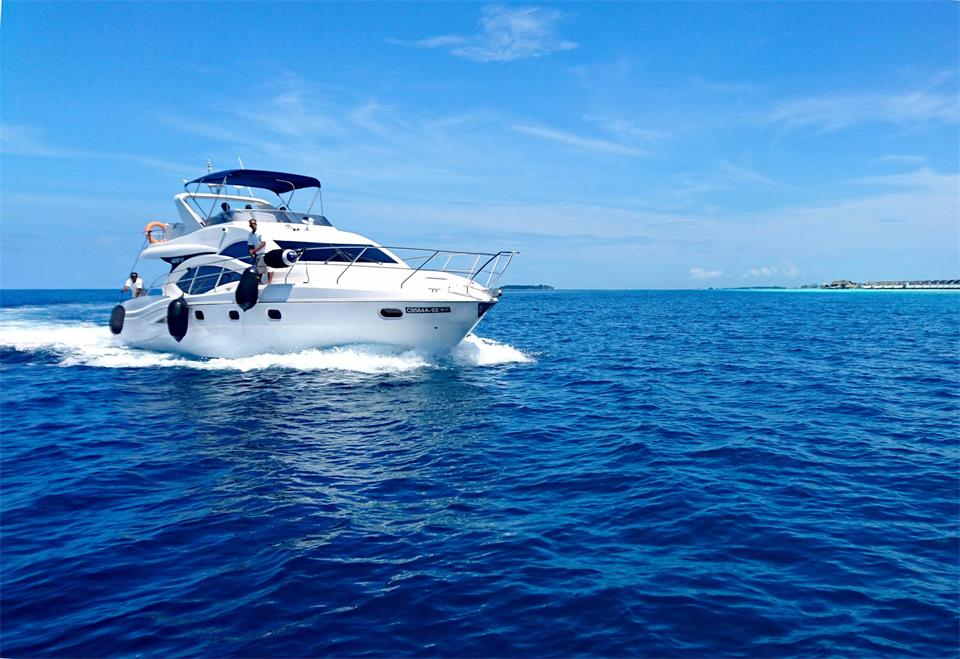
A boat’s purchase price tells only part of the ownership story. Depreciation, financing, maintenance, and storage all affect what you’ll spend and how much value the boat may retain. New models offer current features and warranty coverage, while used boats can lower the initial cost and avoid the steepest period of boat depreciation.
The better investment depends on how often you expect to use the boat, how long you plan to keep it, and how much work you’re prepared to manage. A careful comparison should account for the full ownership period, not just the number on the sales agreement.
What You Get With a New Boat
A new boat gives you a clean ownership history, modern systems, and a manufacturer’s warranty. You can often select the layout, color, and options that suit your plans instead of accepting another owner’s choices. Current models may also have more efficient engines, updated controls, and convenient features such as integrated displays.
The trade-off is a higher purchase price and faster depreciation during the first few years. Insurance premiums and registration costs may also be higher because they reflect the boat’s value. A new model suits buyers who plan to keep it for several seasons and prefer predictable maintenance during the early ownership period.
Why Used Boats Can Offer More Value
Used boats usually cost less than comparable new models, leaving more budget room for storage, accessories, and routine service. Someone else has already absorbed the steepest early depreciation, so the boat’s value may decline more slowly if it stays in good condition.
Shopping inventories of new and used boats for sale can help West Michigan buyers compare model years, layouts, and prices before committing to one category. Pay close attention to service records, engine hours, and storage history. A well-maintained five-year-old boat may offer stronger value than a poorly maintained model that’s only two years old. Condition matters more than age alone.
Look Beyond the Purchase Price
Estimate the annual cost of ownership before deciding what fits your budget. Include insurance, registration, fuel, seasonal storage, scheduled service, and potential repairs. Financing deserves close attention too. A lower price can still become expensive if the loan carries a high interest rate or stretches across a long term.
For example, a used boat that saves $15,000 upfront may need upholstery work and engine service within the first season. A new boat may cost more each month but include warranty protection for eligible repairs. Ask sellers for written cost estimates and compare similar loan terms so the numbers reflect a fair comparison.
Inspect Before You Commit
Every used boat should receive a thorough inspection and an on-water test. Check the hull, electrical components, steering, controls, and onboard systems. Review maintenance receipts and confirm that the identification details match the ownership documents. If the boat is large or complex, consider hiring an independent marine surveyor or qualified technician.
New boats need careful review as well. Confirm what the warranty covers, how long each type of coverage lasts, and who handles service locally. Use a written boat maintenance checklist to record equipment condition and future service dates. Good records protect resale value and reduce the chance of missing routine work.
Decide Based on Your Ownership Plans
A new boat may be the stronger choice if you want specific features, expect to keep it for many years, and value warranty coverage. Used boats often make sense for first-time owners, budget-conscious families, and buyers who are comfortable arranging inspections or repairs.
Think about your realistic schedule. Paying a premium for a new model may be hard to justify if you’ll use it six weekends per year. Frequent boaters may value reliability, dealer support, and a layout tailored to regular outings. Resale plans matter too. Popular models with documented maintenance, clean interiors and sensible options generally attract more buyers.
The best investment is the boat that fits both your budget and your actual time on the water. Compare total costs over three to five years, inspect the specific boat carefully, and leave room for storage and upkeep. Maintaining financial security also means choosing a boat you can comfortably afford beyond the initial purchase price. That calculation will reveal far more than the purchase price alone.

For many agricultural businesses and farmers, buying a tractor is one of the largest purchases on their books. These vehicles can cost a lot of money, and the ones with modern equipment are far more complex than anything that’s come before. Ultimately, purchasing tractors needs to be treated as a business decision rather than an emotional one. Choosing the right vehicle can enable a more efficient harvest and reduce downtime.
Ask yourself what work you’ll do
You’ll want to start this process by asking yourself about the type of work you’ll do with the tractor. Buying a vehicle that loads soil is very different from one that slashes long grass or tows heavy machinery around on a trailer.
As you might expect, tractors have varying horsepower. If you get one that’s too large, you’ll end up wasting fuel, and you’ll end up paying for horsepower your land simply doesn’t need. If it’s too small, though, it will struggle to pull plows uphill, and you may find yourself unable to complete work in a timely manner. You could also overwork the engine, leading to higher maintenance costs.
Ask yourself about the full cost of ownership
Another good habit to get into whenever making a tractor purchase is to ask yourself about the likely full cost of ownership. You’re not just paying for the upfront cost of the vehicle, but for all of the associated costs that come with running it.
For example, you may need new tires, additional servicing, insurance, and fuel. These running costs add up quickly, and some, such as insurance, apply even if your tractor sits idle in a barn for most of the year.
The same applies to any accessories or secondary equipment that you want to add to your tractor. It can depreciate rapidly too if you don’t take care of it properly.
If you’re buying a secondhand tractor, ask for its full service history. Also, look for leaks, cracks, worn-out tires, or anything else that could indicate that the tractor hasn’t been looked after properly.
Consider servicing before you buy
Don’t just jump in and buy a tractor without thinking about the long-term servicing costs. Some brands and models are considerably cheaper to run than others.
In general, the newer and more complex the tractor, the costlier it is to run and service over time because you need to take it to mechanics with specialist expertise. However, older tractors can also be a drain on your finances, especially if you buy one that’s unreliable or past its working life.
Buying a mid-range tractor from a local dealer who can service it regularly is usually the best option for most farmers. This lowers your costs while also providing you with the capabilities you need and easy access to replacement parts and repairs whenever things break.
There you have it: some of the questions small rural businesses should weigh before buying a tractor. Don’t necessarily assume that you need one. Sometimes a rugged four-by-four or pickup can do the job just as well.

The Real Cost of Neglecting Commercial Drainage

Creating a Pet-Friendly Office That Actually Works

How Hiring a Reno Personal Injury Attorney Secures Maximum Casino Settlement Payouts

New vs. Used Boats: Which Is the Better Investment?

Is Your Jobsite Ready for Major Structural Upgrades?

125 Inspirational Car Quotes and Captions to Celebrate Your New Car

188 Deep Hurt Quotes with Images

148 Romantic Love Quotes for Her from the Heart

164 Relationship Goals Quotes for New Couples Expecting a Long Lasting Relationship

185 Cute Boyfriend Quotes for the Guy You Love
-
 Quotes6 years ago
125 Inspirational Car Quotes and Captions to Celebrate Your New Car
-
Growth6 years ago
188 Deep Hurt Quotes with Images
-
Quotes6 years ago
148 Romantic Love Quotes for Her from the Heart
-
Quotes5 years ago
164 Relationship Goals Quotes for New Couples Expecting a Long Lasting Relationship
-
Quotes6 years ago
185 Cute Boyfriend Quotes for the Guy You Love
-
Quotes6 years ago
141 Best Heart Touching Quotes about Love, Life, and Friendship
-
Quotes5 years ago
134 Time Flies Quotes for the Unforgettable Moments
-
Quotes6 years ago
122 Inspirational Kite Quotes That’ll Make You Wanna Fly Right Now