
Business
Essential Safety Standards for High-End Recreational Amenities


A beautiful pool or spa can quickly become a source of worry when slippery surfaces, unsecured access points, or faulty equipment put family members and guests at risk. Even one overlooked safety detail can have serious consequences, making peace of mind just as important as the appearance of your outdoor space. Discover how effective pool barriers, anti-entrapment systems, slip-resistant materials, and routine inspections can help create a safer swimming environment without compromising comfort or style.
Physical Barriers and Perimeter Fencing
A secure perimeter is the first line of protection around a pool or spa. Follow residential pool barrier guidance when planning fence height, gate placement, and opening sizes. In many jurisdictions, barriers must be at least 4 feet high, though local codes may require more.
Use self-closing, self-latching gates that open away from the water. Position latches high enough that young children can’t reach them and keep nearby furniture from becoming a climbing aid. Glass fencing can preserve open views, but panels, hardware, and gates still need regular inspection. Check the full perimeter monthly for loose fittings, soil gaps, and objects that could provide unintended access.
Anti-Entrapment Drains and Suction Safety
Pool circulation systems require properly designed drain covers and plumbing configurations. Federal pool and spa safety requirements address drain-cover performance and suction entrapment risks. Approved covers must match the drain body and the system’s flow rate, so appearance alone can’t confirm compatibility.
Ask a qualified pool professional to inspect older equipment, especially after remodeling or pump replacement. Multiple drains, gravity-fed systems, and safety vacuum release systems may provide added protection depending on the installation. Never use a pool if a drain cover is cracked, loose, or missing. Shut down the circulation system and keep swimmers out until repairs are complete. Maintenance records should include cover model numbers, installation dates, and expected replacement dates.
Non-Slip Decking Materials That Last
Decking should provide traction when wet while remaining comfortable under bare feet. Textured concrete, slip-resistant porcelain pavers and certain natural stone finishes can suit high-end spaces when installers select products specifically rated for wet areas. Polished surfaces may look refined indoors but can become hazardous beside a pool.
Request slip-resistance data from the supplier and inspect samples in both dry and wet conditions. Drainage also affects performance. A deck with standing water can remain slippery even when the material has a suitable texture. Plan a consistent slope away from the pool, maintain clear deck drains, and repair uneven joints promptly. Clean surfaces with products recommended by the manufacturer because waxy coatings or heavy residue can reduce traction over time.
Implementing Multi-Layer Protection Systems
No single feature can address every poolside risk. A layered system may include perimeter fencing, door alarms, compliant drain covers, visible depth markers, rescue equipment and active adult supervision. Automatic covers can add another barrier when they are correctly fitted, closed, and maintained, but they don’t replace fencing or supervision.
During a new installation or major renovation, ask the contractor to explain how routine safety checks work with the others. San Diego homeowners can consult Majestic Pools & Spas about pool design, construction, renovation needs, and ongoing maintenance. Owners should also schedule recurring inspections instead of waiting for visible damage. Test gates and alarms monthly, review equipment after severe weather, and arrange professional service when pumps, covers, or electrical components behave differently than usual.
The best safety plans remain easy to use every day. Gates should close without effort, walking routes should stay clear, and maintenance schedules should identify exactly who checks each component. Those practical details help a refined recreational space remain welcoming without allowing safety measures to fade into the background.


Technical product launches often fail when teams expect specifications to explain why an advancement matters. Clock speeds, process nodes, throughput figures and model sizes may impress engineers, but most readers need context before those details become meaningful. Analysts, investors and potential customers want to know what changed, which problem the product solves and what evidence supports the claim.
A strong product story preserves technical accuracy while connecting engineering work to measurable outcomes. That translation starts long before anyone drafts an announcement.
The Engineering Translation Gap
Engineers usually describe products through architecture, components and performance characteristics. External audiences interpret the same product through business impact and practical use. If a new chip processes twice as many operations per second, explain what that improvement allows a customer to do, such as serving more AI requests with the same rack space.
Create a message table before writing launch materials. Place the technical feature in one column, the operational effect in another and the customer outcome in a third. Ask an engineer to verify every causal connection. This process prevents marketing language from overstating the design while giving readers a clear reason to care.
Broader engineering industry trends can also help you identify concerns that deserve context, including costs, workforce constraints and digital adoption.
Reaching Industry Analysts Effectively
Analysts need a concise thesis backed by details they can examine. Give them a short explanation of the market problem, the product’s distinct approach and the evidence available today. A 30-minute briefing will be more productive when you send architecture diagrams, benchmark conditions and key definitions in advance.
Avoid presenting an internal label as if it were an established product category. Define unfamiliar terms in plain English and explain how your claims compare with existing methods. Teams that need outside help shaping technically accurate announcements can consider specialized PR for electrical engineering during the planning stage.
Prepare direct answers to predictable questions. Analysts will ask who tested the product, what workloads were used, which limitations remain and when customers can obtain it. Clear boundaries make a claim more credible.
Structuring a Cohesive Product Launch
Build the launch around one central claim that every asset supports. The press release may provide the formal announcement, while a technical brief explains the architecture and a demonstration shows the product working. Sales presentations, executive interviews and social posts should use the same terminology and verified numbers.
Work backward from the announcement date. Four to six weeks before launch, approve the core narrative and evidence. Use the following weeks for technical review, spokesperson preparation and analyst briefings. Complete a final consistency check before publication.
Quality must remain visible even when development moves quickly. Current discussion about software quality measurement shows why speed alone gives an incomplete picture. State how performance was measured, what success threshold applied and which conditions could change the result.
Framing Proof of Concept Milestones
A proof of concept demonstrates feasibility under defined conditions. Present it as evidence for a specific stage of development, then state what must happen next. Readers should know if the system ran in a lab, a partner environment or an active customer setting. They also need the workload size, test duration and comparison baseline.
For example, “the prototype reduced processing time from 40 minutes to 12 minutes across 100 test runs” carries more meaning than “the platform delivered major acceleration.” Include who observed the test and whether an independent party reproduced it.
Close the announcement with the next verifiable milestone, such as customer sampling in the next quarter or expanded testing across three workload types. This gives analysts a concrete point to track without turning an early result into a commercial promise.
Technical details earn attention when they establish a clear chain from design choice to measured result. Before approving the launch copy, ask someone outside the engineering team to identify the problem, advancement and supporting evidence after one read. If any answer remains unclear, the story needs another revision.
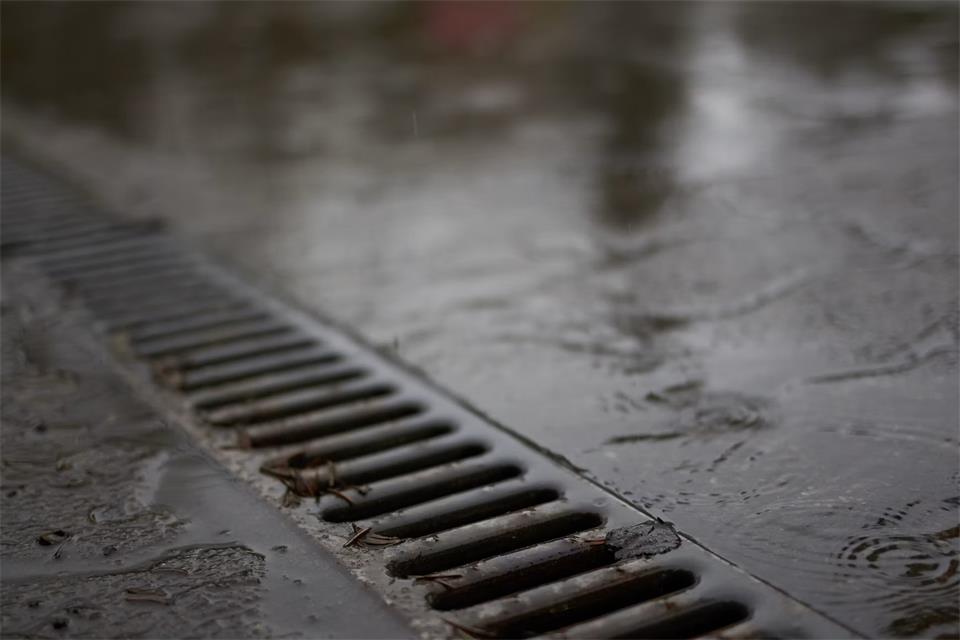
Commercial drainage problems often begin long before water pools near an entrance or a drain overflows. Small blockages, cracked lines and poorly graded pavement can slowly damage a property while increasing maintenance expenses. If those issues remain hidden, a business may eventually face interrupted operations, emergency repairs and regulatory scrutiny. Regular inspections and documented maintenance give property managers a practical way to control these risks before they affect customers or revenue.
Unseen Hazards Beneath Paved Lots
Paved surfaces can hide erosion, clogged catch basins and damaged underground pipes. Water that cannot drain correctly may wash away supporting soil, causing asphalt to crack or concrete to settle. The hidden costs of drainage can include foundation damage, premature pavement replacement and repeated patching that never addresses the source.
Parking lot islands also affect runoff. Poor grading around curbs and landscaped areas can trap water or direct it toward pedestrian routes. A review of commercial parking lot islands highlights how seemingly minor design features can create ongoing maintenance costs.
After heavy rain, walk the property and record standing water that remains for more than 24 hours. Note sunken pavement, loose drain covers and sediment around inlets. These clues can reveal developing problems below the surface.
How Backups Halt Daily Revenue
A drainage backup can close restrooms, kitchens, loading zones or customer entrances with little warning. Even a short closure may cause canceled appointments, missed deliveries and lost sales. Restaurants and food retailers face added pressure because wastewater problems can make sanitary operations impossible.
Indirect costs can continue after service resumes. Employees may need overtime to clean affected areas, damaged inventory may require replacement and customers may post complaints online. Water entering electrical or mechanical spaces can extend the disruption from hours to several days.
Create a response plan before an emergency occurs. Staff should know where shutoff points are located, which areas to restrict and who has authority to request urgent service. Keep current building plans and maintenance records accessible off-site so contractors can review the system even when part of the property is closed.
Establishing Regular Preventative Audits
Schedule drainage audits according to property use, site conditions and seasonal weather. A busy retail center may need quarterly catch basin checks, while a smaller office property may use semiannual inspections. Arrange an extra review after major construction or severe storms because debris can enter drains and shifting soil can damage buried lines.
An effective audit should cover:
- Drain flow and visible sediment
- Catch basin depth and structural condition
- Pavement slope, cracks and low spots
- Signs of odors, slow fixtures or recurring backups
- Dates and findings from previous service visits
For Long Island commercial properties with connected wastewater or drainage concerns, septic tank experts can inspect and service septic systems, sewer lines, storm drains and catch basins. Ask for written findings, photographs and recommended repair priorities. This documentation helps you separate urgent defects from work that can enter the next maintenance budget.
Environmental Compliance and Safety Standards
Blocked or damaged drainage systems can send polluted water into streets, soil and nearby waterways. Runoff may carry oil, sediment, cleaning chemicals and waste from commercial surfaces. Property managers must follow applicable wastewater rules, stormwater requirements and local discharge restrictions. Requirements vary by location and business type, so confirm them with the relevant municipal or environmental authority.
Employee and visitor safety also deserves close attention. Standing water can create slip hazards, conceal broken pavement and freeze during cold weather. Wastewater exposure may require professional cleanup and temporary access restrictions.
Keep inspection reports, cleaning receipts and repair records in one organized file. If an incident occurs, those records show what maintenance was completed and when. Clear documentation can also support insurance claims, contractor coordination and compliance reviews.
The most useful maintenance calendar starts with the next heavy rainfall. Inspect the site while drainage patterns are visible, photograph trouble spots and assign each defect a repair date before dry weather hides the warning signs again.

After a sudden accident inside a Reno casino—whether slipping near a busy slot machine bank or being injured by a malfunctioning escalator—injured guests quickly discover that getting fair compensation is not as straightforward as filing a report with casino security. Casinos operate with robust legal teams and insurance adjusters who swiftly gather statements and evidence, aiming to limit financial responsibility. Injured individuals often face a confusing web of property policies, surveillance footage requests, and pressure to accept early settlement offers.
Navigating this environment without experienced legal guidance can mean leaving substantial compensation on the table. Engaging a knowledgeable legal advocate ensures that the casino’s obligations are fully examined and that every relevant avenue for recovery is pursued, tailored to the unique circumstances of gaming property claims.
Common Casino Injuries in Reno and Legal Liability
Casino properties in Reno are filled with attractions, high-traffic areas, and amenities that can pose safety hazards. The most frequently reported injuries include slips and falls on recently cleaned floors, tripping over uneven carpeting, and incidents involving broken chairs or defective escalators.
These environments require extensive maintenance and safety oversight, but lapses can happen. When an accident occurs, Nevada law places a duty on property owners to maintain reasonably safe premises and to address hazards they know about or should have discovered through regular inspections.
Legal liability in these cases often centers on whether the casino had actual or constructive notice of the dangerous condition. For example, if a spilled drink remains unaddressed for an extended period and someone falls, the casino’s failure to respond may be considered negligence. Understanding premises liability standards in Nevada helps clarify when an injured guest may have grounds for a claim. Casinos may attempt to argue that the guest was at fault or that the hazard was open and obvious, but legal guidance can help counter these defenses with evidence and legal precedent.
An attorney’s ability to identify and document the precise cause of injury—such as a poorly lit stairwell—plays a critical role in establishing liability and supporting a settlement demand that reflects the full scope of the casino’s responsibility.
How Reno Casino Insurance Adjusters Minimize Payouts
When an injury is reported, casino insurance adjusters promptly begin their own investigation. These professionals often approach injured guests quickly, collecting statements and offering early settlements that may not account for long-term medical needs or lost wages. Adjusters are trained to frame questions and interpret events in ways that limit the property’s exposure, sometimes suggesting that the injury was partially or wholly the result of the guest’s own actions.
By securing a Reno Personal Injury Attorney, individuals gain an advocate who understands insurance company tactics and can shield them from inadvertently weakening their claim. This legal partner evaluates any proposed settlement against the full extent of injuries, anticipated recovery time, and related expenses. Experienced legal counsel also handles communications with adjusters, ensuring no statements are misinterpreted or used to justify a reduced offer.
Having a legal advocate negotiate directly with the insurance carrier also means that claimants benefit from strategies tailored to casino-specific incidents, which often involve surveillance footage review and coordination with law enforcement or regulatory agencies.
Investigating Slip and Fall Incidents on Gaming Properties
Effective investigation of accidents on casino property involves a series of coordinated steps. Attorneys begin with a prompt request for all relevant surveillance footage, since casinos often record activity on their gaming floors and public spaces. Delays in requesting this evidence can result in footage being overwritten or lost, diminishing the strength of the claim.
Alongside video evidence, legal teams collect incident reports, witness statements, and maintenance logs showing how often the hazard area was inspected or cleaned. Examining evidence preservation requirements for businesses ensures that crucial documentation remains intact. Attorneys may also enlist building safety experts to evaluate lighting, flooring, or signage at the location of the incident.
This level of detail is critical because casinos and their insurers often contest not only the cause of the accident but also the severity of the injuries. A thorough investigation equips claimants with persuasive evidence, making it more difficult for the casino to dispute liability or minimize settlement offers.
Negotiating Maximum Compensation for Nevada Accident Victims
Negotiations involving casino injuries require a nuanced understanding of Nevada’s comparative fault rules, which can reduce or bar recovery if the injured guest is found partially responsible for their own harm. Attorneys familiar with these statutes structure demands that anticipate these arguments, ensuring that settlement proposals are based on a comprehensive assessment of both economic losses—such as medical bills and lost income—and non-economic damages like pain and suffering.
Legal professionals often coordinate with medical providers to document ongoing treatment, project future care needs, and quantify the impact of the injury on the guest’s quality of life. Presenting this information in a clear, substantiated manner increases the likelihood that the casino’s insurer will consider a more reasonable offer, rather than risk litigation.
In many cases, a detailed negotiation strategy that highlights the casino’s potential exposure, relevant industry regulations, and the strength of the claimant’s evidence can prompt settlements that fully address the harm suffered and the long-term effects of the injury.
Conclusion
Consult a qualified local attorney as soon as possible after a casino accident to protect your rights and preserve critical evidence. Acting quickly, with the support of a professional familiar with Nevada’s unique gaming property laws, positions claimants to pursue the full compensation they may be owed.

Stop Selling Technical Specs as Product Stories

Essential Safety Standards for High-End Recreational Amenities

How Modern Warehouses Manage Severe Heat Stress

The Real Cost of Neglecting Commercial Drainage

Creating a Pet-Friendly Office That Actually Works

125 Inspirational Car Quotes and Captions to Celebrate Your New Car

188 Deep Hurt Quotes with Images

148 Romantic Love Quotes for Her from the Heart

164 Relationship Goals Quotes for New Couples Expecting a Long Lasting Relationship

185 Cute Boyfriend Quotes for the Guy You Love
-
 Quotes6 years ago
125 Inspirational Car Quotes and Captions to Celebrate Your New Car
-
Growth6 years ago
188 Deep Hurt Quotes with Images
-
Quotes6 years ago
148 Romantic Love Quotes for Her from the Heart
-
Quotes5 years ago
164 Relationship Goals Quotes for New Couples Expecting a Long Lasting Relationship
-
Quotes6 years ago
185 Cute Boyfriend Quotes for the Guy You Love
-
Quotes6 years ago
141 Best Heart Touching Quotes about Love, Life, and Friendship
-
Quotes5 years ago
134 Time Flies Quotes for the Unforgettable Moments
-
Quotes6 years ago
122 Inspirational Kite Quotes That’ll Make You Wanna Fly Right Now