
Lifesytle
Unplug, Unwind, Understand: The Life Lessons Found in Island Silence


When was the last time you truly heard nothing? Not the buzz of your phone. Not the hum of traffic outside your window. Not the constant background noise of an always-on world. Just silence — real, enveloping, expansive silence.
It’s an experience that’s becoming increasingly rare, but it still exists in pockets of the planet where nature commands attention and connection requires more than Wi-Fi.
One of the most profound places to encounter this kind of silence is on a remote island, where the absence of noise isn’t an emptiness but a powerful presence. Within that stillness, life lessons rise to the surface — quiet but undeniable.
The Power of Island Silence
Stepping onto an island far from the clamor of daily life is a bit like stepping into a time capsule — everything slows down. There are no blaring horns, no packed schedules, no overflowing inboxes.
The silence of the ocean, broken only by waves lapping at the shore or the occasional call of a bird, forces you to feel rather than react, observe rather than scroll, and listen to the world around you and within you.
On islands such as those scattered across the Indian Ocean, this silence becomes a teacher. It teaches you to embrace the space between doing and simply being. The serenity of nature becomes not just a setting, but a catalyst for clarity.
Lesson One: Detachment Brings Clarity
People often underestimate how deeply their sense of identity is tied to their devices, their routines, and their environments. Removing yourself from that noise — both literal and metaphorical — gives you the opportunity to ask: Who am I without all of this?
On an island, without the distractions of constant notifications, it becomes easier to separate your wants from your habits. You rediscover your internal compass.
What brings you joy when no one is watching? What kind of rhythm does your day take when it’s guided by sunlight and tides rather than alarms and deadlines? It’s in this detachment that clarity emerges. You begin to see your life — and your place in it — with fresh eyes.
Lesson Two: Presence is a Practice
Silence teaches you to be present, but presence doesn’t come naturally to most of us anymore. It’s a muscle we have to exercise. At first, the absence of stimulation may feel unsettling. After a while, you start noticing things you hadn’t before — the textures of sand beneath your feet, the sound of your own breath, the changing hues of the sky at dusk.
Being fully present means letting go of control. Islands are good at enforcing that. Weather patterns change without notice, boats arrive when they can, and schedules bend to nature’s timing. In letting go, you learn to trust and surrender — not in a passive way, but in a deeply active one. It’s a presence that demands attention and patience.
Lesson Three: Nature Is Not a Luxury
In the middle of a quiet island surrounded by turquoise waters and lush vegetation, you realize that nature is not a luxury or a reward but a necessity. People often relegate nature to something they visit occasionally, rather than something they are inherently a part of.
Islands reframe this perspective. The ocean reminds you of your smallness and your significance. The stars — more vivid without light pollution — call your attention to how much beauty is missed when you’re rushing from one obligation to another.
Planning a trip to reconnect with nature and silence doesn’t have to be out of reach. There are numerous breathtaking resorts in Maldives Islands where you can immerse yourself in this kind of stillness. These places offer more than just luxury — they offer space, silence, and the permission to slow down.
Lesson Four: Simplicity is Abundance
Perhaps one of the most surprising lessons learned in island silence is that a simpler life is not a lesser life. It’s easy to associate luxury with complexity — gourmet meals, packed itineraries, high-end amenities. But on an island, abundance is redefined. It’s found in long, quiet mornings.
In fresh fruit eaten under the shade of a palm tree. In barefoot walks where each step connects you more deeply to the earth. Stripped of excess, you come to appreciate the essentials: time, connection, health, rest. What once felt like “not enough” becomes more than plenty.
The Takeaway: Return Changed
Island silence is not just a break from routine — it’s a recalibration. When you return, you bring back more than souvenirs or sun-kissed skin. You carry a quieter mind, a more open heart, and a clearer understanding of what truly matters.
In a world that celebrates noise, hustle, and performance, choosing silence is a radical act. But within that silence lies truth, healing, and a reconnection to the self. The island may be far away, but the lessons it offers are ones you can carry with you — if you listen closely enough.
So, unplug. Unwind. And understand. The silence isn’t empty — it’s full of wisdom waiting to be heard.


Property maintenance works best when every request, inspection and repair follows a clear process. Without that structure, small issues can linger, contractors may receive incomplete instructions, and managers can lose sight of recurring costs. A smarter system connects day-to-day work with accurate records and measurable service standards.
The following steps can help property owners and facility managers reduce delays, control expenses and extend the useful life of building systems.
Audit Existing Facility Workflows
Start by documenting how a maintenance issue moves from discovery to completion. Record who submits the request, who approves the work, how a contractor is assigned and where the final invoice is stored. This exercise often reveals duplicate data entry, unclear responsibilities or approval stages that add several days to a routine repair.
A structured engineering workflow audit can help you examine the digital readiness of related facility processes. Review a sample of 20 recent work orders and note response time, completion time and repeat visits. Speak with the people who use the process daily too. A technician may know that equipment locations are poorly labeled, while an office manager may spot request categories that regularly send jobs to the wrong person.
Standards for Vetting Outside Contractors
Set written qualification standards before an urgent repair forces a quick choice. Your review should cover relevant experience, current insurance documentation, references and the contractor’s process for communicating delays or changes in scope. When comparing home service companies, ask each candidate the same questions so you can judge responses on consistent terms.
Define operational expectations as well. For example, require acknowledgment of urgent requests within 30 minutes and an estimated arrival time within one hour. For planned work, ask for an itemized proposal that separates labor, materials and optional upgrades. A small trial assignment can show how well a contractor follows site access rules, documents completed work and leaves the area ready for occupants. Keep the results in a vendor file so future hiring decisions aren’t based on memory alone.
Track Maintenance Lifecycles Digitally
Use one digital system to record equipment details, work orders, inspection notes, warranties and costs. Practical property maintenance technology can reduce manual handoffs and give managers a clearer view of open jobs. Choose a platform that staff can update easily from a phone or tablet because delayed entries quickly weaken the value of the data.
Create a record for each major asset, including its model, installation date, service schedule and repair history. If a rooftop unit requires three service calls in six months, the record gives you evidence for comparing another repair with planned replacement. Set automatic reminders for recurring tasks such as filter changes and safety inspections. Use consistent status labels too, such as submitted, approved, scheduled and completed, so anyone checking a request understands its position immediately.
Build Long-Term Vendor Accountability
Evaluate vendors through a short scorecard after each assignment. Useful measures include response time, schedule accuracy, invoice accuracy, first-visit completion and adherence to site procedures. The property maintenance management guide offers broader context for organizing maintenance responsibilities and performance records.
Review the scorecards quarterly instead of waiting for a serious failure. One late arrival may be understandable, but repeated delays or unexplained invoice changes indicate a pattern. Share the findings during vendor reviews and agree on a specific correction, such as providing daily updates for work lasting more than two days. Strong performers may earn more scheduled assignments, while contractors who miss documented standards should receive a defined improvement period. This keeps expectations fair, visible and tied to actual results.
A reliable maintenance program leaves a useful trail: every asset has a history, every contractor has measurable expectations, and every completed job improves the next decision. Once that record is in place, recurring failures become easier to spot before they turn into disruptive and expensive repairs.
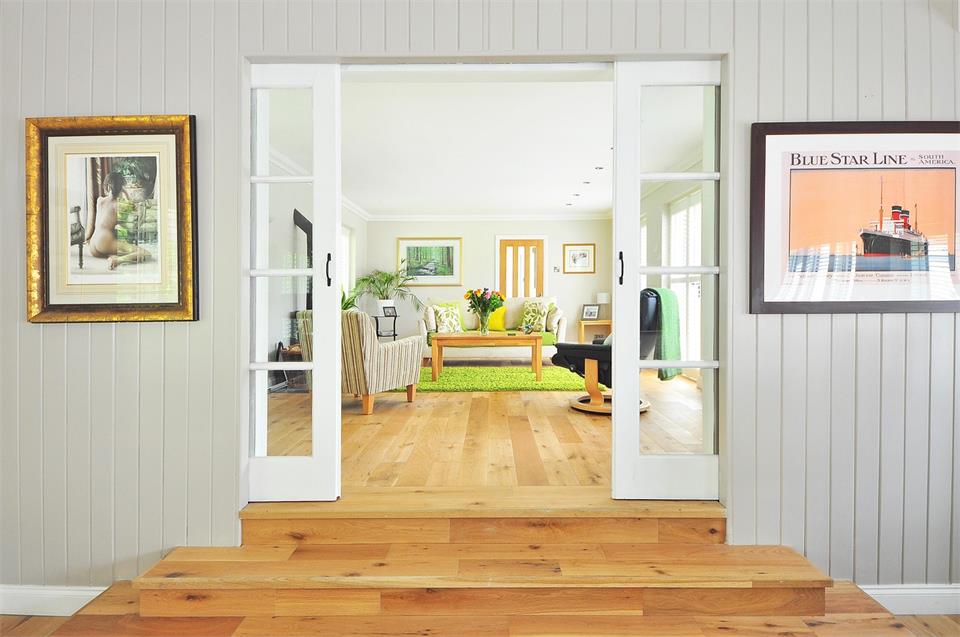
Many homeowners select flooring on the same basis they choose their paint: a showroom tour followed by the proclamation, “That’s nice. I’ll take it!” The issue with that strategy is flooring decisions have downstream implications on cabinet height, door clearances, subfloor prep, and installation sequencing. In other words, flooring decisions must be finalized before the tear-out begins, lest you pay twice for the same material.
Entryways Need Flooring That Can Take the Abuse
Every renovation has to start somewhere, and in this case should start at the entrance to the property. Entryways and mudrooms get hit with water, tracked dirt, dropped keys, and pet business on a daily basis. As such, a solid hardwood is out as an option due to its susceptibility to moisture and general fragility in the face of heavy traffic.
Porcelain tile or rigid core luxury vinyl plank are much better options for the high-traffic, high-moisture area as both can resist the effects of water damage and are available in wood-look patterns for those desiring to extend a flooring design throughout a home.
Slip resistance in the entry is a huge concern as well, which is why one should examine the coefficient of friction (COF) of any tile being considered for the space. The showroom may make a tile look luxurious and inviting, but it can turn into something of a hazard as soon as it gets wet
If one is considering extending a hardwood floor into an entry, it’s best to stop at a transition strip and then start the next flooring option at the threshold near the front door.
Kitchens Need Flooring Built for Spills and Traffic
After all, kitchens are the grease pits of the home. Whether it’s spilled liquid, greasy splashbacks from the stove, or the dog learning that the kitchen is the perfect place to relieve himself, the kitchen floor is going to endure more than any other room in the house. The kitchen also serves as the thoroughfare to all parts of the house, meaning the floor needs to handle heavy foot traffic in addition to whatever else is dumped on it.
The characteristics to consider when choosing a flooring material for the kitchen are similar to those of the entry in that the floor needs to resist water damage and have a non-slick surface for safety, especially for those in the household with mobility concerns. Porcelain tile and rigid core luxury vinyl plank are much better options for a kitchen due to their resistance to water, stains, and dents.
With vinyl, an eye should be kept on the thickness and clear coat of the top-wear layer (measured in mils), as a lower than 12 mil thickness can lead to excessive scratches and gouges in the flooring. Laminate is tempting in a kitchen scenario because of the lower cost and visual appeal, but it’s a poor choice for the increased likelihood of damage around standing water (the seams can swell if the flooring gets wet).
The core layer of laminate flooring is basically sponge which can retain water, a problem especially around a dishwasher or washing machine.
Bathrooms Put Waterproofing First
It’s rare for a homeowner to choose a bathroom floor based on aesthetics, and it should be rare for a contractor to advise someone to choose a bathroom floor based on aesthetics.
The short version of this is that the bathroom is where water-vulnerable floors get their comeuppance, and as such it’s a good idea to select a durable and easy-to-clean option for the space.
The long version speaks to the reality that a bathroom is the single most humid room in the house, and as such it’s likely to see both accidental spills and water accumulation underneath the toilet if the sealant around it fails (the same goes for around the shower/tub).
The top recommendation for a bathroom floor is porcelain tile installed over a waterproof membrane, as it’s about as close to totally waterproof as one can get with floor covering. However, it’s a cold, hard option for those uninterested in the feel of a five-year-old concrete basement at the end of every day.
Waterproof vinyl plank can be an excellent second choice material for a bathroom (avoid peel-and-stick varieties), as it too is totally waterproof but with the benefit of being more pleasant to bare feet. It’s important to note that any vinyl plank installed in a bathroom should be of the rigid core variety as the flexible planks can easily be lifted at the seams like traditional tongue-and-groove laminate.
Avoid installing either solid hardwood or traditional laminate in a bathroom, as the seams will absorb water and cause swelling. If tile is chosen as the material, time should be allocated to sealing the grout, an oft-overlooked maintenance task. Failure to properly seal bathroom grout is often the reason a five-year-old bathroom floor looks ten years old.
Bedrooms Reward Comfort Underfoot
A plush, cozy floor is the stuff of relaxation in the bedroom, and the feel of it under bare feet after a long day is unmatched. For those unfortunate enough to live in a house where the climate can’t support a beach-house year-round existence, the softness and warmth of a thick carpet are even more appealing.
That doesn’t mean that other flooring options can’t be employed to similar effect, though, especially if the homeowner has allergies and finds that the carpet fibers hold onto pet dander and dust too easily. Hardwood paired with an area rug can offer the same softness without the allergen consequences for some.
Frieze and berber carpets are much harder wearing than plush variants, though, so one should be aware that berber has a lower comfort factor than plush and is more of a traffic floor than a cozy retreat.
The common areas (living room, family room, great room, etc.) tend to benefit most from prefinished distressed hardwood, especially if the space sees a fair amount of foot traffic from kids, dogs, and/or grandparents. Prefinished floors are best in these rooms as the finish will help resist the effects of heavy traffic and power cleaning (both of which are necessary for a space regularly used by a large number of people).
Prefinished flooring in a kitchen is also an option, as long as one doesn’t have large dogs (who can cause dents in the wood during play). Prefinished flooring in the kitchen should avoid the possibility of water getting to the seams, however, as that can cause subfloor damage that may necessitate replacement of the entire flooring.
Oak tends to be the hardwood of choice for prefinished flooring due to its flexibility and forgiving nature. Maple is a harder wood and will show dents more easily, especially in the grain, and hickory has a much more rustic appearance. None of the three woods should be chosen in relative isolation from the rest of the house, as most common rooms are joined to the kitchen and/or entry in most residences, and the three areas need to have a degree of cohesion.
Basements are generally off-limits to solid wood due to the likelihood of moisture exposure at some point during the life of the installation. The options are limited mostly to engineered hardwood and vinyl plank, as both have a much lower likelihood of delamination and swelling.
Tile, too, is a viable option for a basement floor as it’s impervious to moisture concerns completely. Engineered hardwood is made up of alternating layers of solid hardwood and plywood for stability, which reduces, but doesn’t eliminate, the ability for the floor to swell due to moisture. Vinyl plank is totally moisture-resistant and won’t swell or delaminate in the face of water damage.
Tile is an option for a basement if the subfloor (concrete) has been appropriately tested for moisture and cracks, as it is completely waterproof. Radiant floor heating is also an option for basement renovations in particularly cold climates, but an eye should be kept on material restrictions for the heating choice (tile and vinyl can work; hardwood species are often ruled out)
Flooring Choices Affect Cabinets, Trim, and Appliance Clearances
This makes the choice of the floor covering one of the most difficult decision points in the remodeling process, as it’s a large expenditure with little leeway for error
If one goes with tile and decides later to change course and go with vinyl plank, post-cabinet installation, there’s a good chance that appliances like a dishwasher won’t fit in the same manner. It’s critical, when ordering cabinetry and trim, to bring blueprints and/or room measurements to a full-service supplier who can quote materials and installation timing for the entire house.
A company like Wylie Carpet & Tile has the ability to source samples, analyze them in relation to the home’s cabinetry/appliances, and plan out the build in such a way that flooring doesn’t slow down the project unnecessarily.
Rooms need to be considered in conjunction with one another rather than individually.
Plan Connected Rooms as One Flooring System
The presence of a single flooring type, or at least one that uses the same plank throughout, is a huge aid in giving a home a more open feel, especially when considering connected rooms like the kitchen/dining combo or the living room/dining combo. Changes in flooring material require transition strips, which are used in every renovation regardless of an individual’s desire to avoid them.
The more of them present in a space, the more choppy and less thought out the finished work is apt to look. T-molding is used in transitions between two equal-height floors while reducer molding is used in conjunction with lower profile flooring (ex: tile to a thinner planked vinyl plank).
An eye should be given to where transition strips are going to be needed before installation begins, as retrofitting one in at a later date requires some unattractive cutting due to the nature of most planks.
Check the Subfloor Before Installation
Floating floors are a good option for most renovations due to the forgiving nature of the tongues and grooves, but they’re incredibly unforgiving when it comes to laying on carpet or tile. The uneven nature of a subfloor is often exaggerated when a floating floor is installed, making imperfections far more apparent.
Concrete subfloors are often inspected for moisture and cracks before a tile installation can commence while wood subfloors are inspected for levelness before any wood installation can begin. Older flooring is usually not left in place if a new version is going to replace it.
Subfloor leveling or replacement is often a huge expense, accounting for anywhere from 10-20% of the overall cost of a flooring renovation, and it’s the single aspect that’s forgotten by nearly every homeowner when the budget is being planned out. One should get an estimate of the cost beforehand when considering a floor renovation rather than after a large amount of time has been spent shopping at a local flooring store.
Another consideration for homeowners considering hardwood or laminate is the acclimation period, where the flooring is allowed to sit in the house before installation so that it can adjust to the local environment. Skipping this step will often result in expansion gaps or buckling (flooring coming off the subfloor) as the wood expands (from humidity) or contracts (from dryness). This step is often overlooked by DIYers with devastating results.
According to the National Association of Realtors, 91% of buyers prefer homes with hardwood flooring (2018 Remodeling Impact Report). It’s the reason why many homeowners request the material regardless of the room, despite the drawbacks already outlined. In short, it’s the most sought-after option for renovation and is worth considering on a room-by-room basis.
See Flooring Samples in Your Own Space
Showroom photos and lighting are two reasons why a flooring choice might look wonderful at the time of purchase but end up disappointing in the buyer’s home afterwards
Ordering samples of ones’ top choices and seeing them in the space is an important step in the process that should never be overlooked. One should spend time examining the samples in different lighting throughout the day and make sure the best options don’t disappoint on the home front. After choosing finalists, a few days should be spent considering the options before committing.
Pet owners can use that time to make sure one’s hardwood of choice won’t show damage from pet accidents, while more active homeowners can eliminate less durable options from the list of consideration. They should also be sure to avoid higher sheen options for high-traffic areas.
These are all practical matters that narrow the selection without regard to the individual’s personal preferences at the time of selection. After that, the shopping can begin in earnest with the power to choose from competing suppliers and avoid the pitfalls of the showroom.
Check the Plumbing Before the Subfloor Goes Down
The one trade most homeowners forget to consult during flooring planning is the plumber, yet a new floor can bury access to lines that run beneath a slab. If a kitchen or bathroom is on the renovation list, it pays to confirm there are no slow leaks or soft spots under the subfloor before anything permanent gets laid over them. Calling in a trenchless plumber at this stage makes sense because that kind of work locates and repairs lines without tearing up the slab you just prepared, and firms doing slab leak detection can trace a hidden leak to within a few feet before any demolition. Catching a cracked supply line now costs far less than lifting a finished hardwood floor to reach it six months later. It also lets the installation sequencing account for any repair work rather than colliding with it mid-project.
These seven considerations should be made before flooring installation begins so that the remainder of a home renovation can be conducted with confidence and efficiency.

High-performance gear is constantly evolving, from race cars to protective sports equipment. A focus on athlete safety has transformed design, moving away from simple one-size-fits-all gear. Today’s equipment is a sophisticated system for performance and protection, with ongoing efforts to advance player care at all levels.
This innovation is especially crucial in football. The helmet, once a basic piece of plastic and foam, has become a highly technical device.
Modern football helmet technology uses materials science, biomechanics, and data analysis to offer better protection than ever. Understanding these improvements helps parents, coaches, and players choose equipment that puts safety first. Let’s look at the main features that define a next-generation helmet.
Beyond the Shell: The Shift to Advanced Materials
For decades, standard helmet shells were made from polycarbonate, a tough plastic. Traditional designs often meant trading strength for weight, which can tire players and affect their form.
The new era of helmet design overcomes this with advanced materials that are both stronger and lighter. Engineers now use polymer blends and flexible outer shells that absorb and spread impact energy more effectively.
Instead of a rigid shell that sends force straight through, these materials can flex and bounce back, redirecting energy away from the head. A lighter, more advanced football helmet can make a real difference in comfort and endurance without sacrificing protection. This reduced weight helps players keep proper posture late in the game when fatigue sets in.
Smarter Impact Absorption Systems
While the outer shell is the first defense, the real innovation often happens inside. The padding in a next-generation helmet is far more than just foam. Modern helmets use sophisticated multi-layered systems designed to handle different types of impact forces. These include linear forces from a direct hit and rotational forces that twist the head.
Many advanced helmets now feature non-traditional padding structures like lattice-like grids made from elastomeric polymers. Manufacturers can tune these structures to compress and shift in multiple directions.
When an impact occurs, these internal components work together to slow down the forces and reduce the energy transferred to the head. Some designs also include fluid-filled pods or gel packs for an extra layer of cushioning.
The Importance of a Precision Fit
An ill-fitting helmet can’t offer the best protection. A loose helmet can shift during impact, while a tight one causes discomfort and distraction. Next-generation helmets solve this with highly customizable fitting systems that go beyond simple air bladders.
They often use interchangeable padding of different thicknesses for a custom fit around the crown, jaw, and back of the head.
Some manufacturers even use 3D scanning to map an athlete’s head for a truly bespoke fit. This customization ensures the helmet stays securely in place, allowing its protective systems to work as intended. A proper fit also affects an athlete’s confidence.
Studies have shown clear relationships between college football athletes and their equipment, where comfort and proper function play a role in their experience.
Data-Driven Design and Testing
Data is key to proving new helmet designs work. Helmet development is a science-driven field relying on extensive research and testing, not just trial and error.
Engineers use computer simulations and finite element analysis (FEA) to model how designs will perform under various impacts before building a physical prototype. Once created, prototypes undergo rigorous physical testing in labs that simulate on-field impacts.
Emerging helmet testing methods allow more accurate evaluations of how well a helmet reduces both linear and rotational forces. Some helmets are embedded with sensors during testing to collect real-time impact data that engineers use to refine their designs.
This cycle of design, testing, and analysis ensures each generation of helmets offers measurable improvement.
Ventilation and Athlete Comfort
While protection is the top priority, comfort and performance are closely linked. A hot and stuffy helmet can lead to early fatigue and decreased focus. Recognizing this, modern helmet designers have put a greater emphasis on ventilation. They use strategic vent placement and internal air channels to promote airflow, keeping the athlete cool and comfortable.
These airflow systems are often designed using computational fluid dynamics (CFD), the same technology used to optimize aerodynamics in airplanes and race cars. By creating channels that pull cool air in and push hot air out, these helmets can improve an athlete’s thermal regulation.
This focus on the complete user experience, balancing protection with practical comfort, is a hallmark of modern sports equipment. It ensures athletes can perform at their best, confident their gear is working with them.
Choosing the right equipment is a critical part of participating in any sport safely. As technology keeps advancing, the gear designed to protect athletes will only become smarter, lighter, and more effective. Looking for these key features helps you select a helmet that represents the best of modern innovation.

Smart Ways to Upgrade Property Maintenance

Smart Inventory Habits That Save Modern Clinics Hours

How Digital Asset Businesses Can Strengthen Compliance and Financial Reporting

How Employee Well-Being Supports Productivity and Long-Term Business Performance

A First-Timer’s Guide to Using HubSpot as a Real Estate CRM

125 Inspirational Car Quotes and Captions to Celebrate Your New Car

188 Deep Hurt Quotes with Images

148 Romantic Love Quotes for Her from the Heart

164 Relationship Goals Quotes for New Couples Expecting a Long Lasting Relationship

185 Cute Boyfriend Quotes for the Guy You Love
-
 Quotes6 years ago
125 Inspirational Car Quotes and Captions to Celebrate Your New Car
-
Growth6 years ago
188 Deep Hurt Quotes with Images
-
Quotes6 years ago
148 Romantic Love Quotes for Her from the Heart
-
Quotes5 years ago
164 Relationship Goals Quotes for New Couples Expecting a Long Lasting Relationship
-
Quotes6 years ago
185 Cute Boyfriend Quotes for the Guy You Love
-
Quotes6 years ago
141 Best Heart Touching Quotes about Love, Life, and Friendship
-
Quotes5 years ago
134 Time Flies Quotes for the Unforgettable Moments
-
Quotes5 years ago
122 Inspirational Kite Quotes That’ll Make You Wanna Fly Right Now