
Lifesytle
What Estate Executors Must Do With Titled Vehicles


Handling vehicles after a loved one’s death can quickly become overwhelming, especially when missing paperwork, ongoing insurance costs, and unclear ownership create additional stress during an already difficult time. Executors want to protect estate assets, avoid unnecessary expenses, and transfer ownership without costly legal mistakes. Understanding how to document, secure, sell, or transfer inherited vehicles can make the probate process far more manageable.
Locating Titles and Registration Papers
Start by creating an inventory that lists each car, truck, motorcycle, trailer, or other registered vehicle. Record the identification number, license plate, mileage, visible condition, and storage location. Photograph the vehicle from several angles so you have dated evidence of its condition. Keeping an accurate inventory of inherited assets during probate helps executors track estate property, document ownership, and prepare for its eventual sale or distribution.
Search the deceased person’s files, safe deposit box, and digital records for the title, current registration, purchase agreement, and loan statements. A title may identify a co-owner, lienholder, or transfer-on-death beneficiary whose rights affect the estate. If the original document is missing, ask the issuing motor vehicle agency about obtaining a duplicate. Don’t sign the deceased owner’s name or alter a title, even if the intended heir seems clear.
Securing Property Before Probate Closes
Move each vehicle to a locked, legally permitted location and retain all keys. If it remains at the deceased person’s home, confirm that insurance remains active and ask the insurer whether storage restrictions apply. Avoid regular use unless the insurer and probate attorney approve it. Every trip creates mileage, accident, and liability concerns for the estate.
A non-running vehicle may need professional transport. In Alice Springs and surrounding areas, for example, an executor can arrange a tow truck when a car needs recovery or relocation to secure storage. Before authorizing transport, photograph its condition, remove personal belongings, and request an itemized receipt. Log that expense with the estate records, including why the move was necessary.
Clearing Inoperable Cars from the Estate
An inoperable car still has legal and financial value, even when repair costs exceed its likely sale price. Obtain one or two written estimates for repair, transport, and sale value before choosing what to do. Check the title for an active lien, since the estate generally can’t transfer clear ownership until that claim is addressed.
If storage fees are accumulating, ask the probate attorney how quickly the executor can approve a sale, donation, or lawful disposal. Never abandon the vehicle or leave it on public property. Record offers and explain why the selected option served the estate. For example, accepting a documented $1,200 offer may be reasonable when repairs would cost $4,000, and storage is adding $40 per day. Keep the title transfer record and disposal receipt with the final accounting.
Transferring Ownership to Buyers or Heirs
Confirm your legal authority before signing transfer papers. An executor may need certified letters of appointment, a death certificate, the original title, an odometer disclosure, and lien-release documents. Requirements differ sharply, as shown by Connecticut’s ownership transfer guidance and Texas procedures for an inherited vehicle transfer. Use the rules where the vehicle is titled.
For a sale, deposit the proceeds into the estate account and issue a receipt identifying the buyer, price, date, and vehicle identification number. For an heir, verify that the will, beneficiary designation, or probate order supports the transfer. Remove the deceased person’s plates when local rules require it, notify the insurer after delivery, and submit any release-of-liability notice promptly.
Do not treat possession of the keys as proof of ownership. The job is complete only when the title records reflect the new owner and the estate file contains copies of the signed documents, payment evidence, and agency confirmation.


Major property upgrades become easier to manage when every decision has a clear owner, deadline and paper trail. Renovations and additions involve approvals, changing costs and weeks of disruption, so informal plans can quickly create confusion. Set up one shared project folder for drawings, permits, quotes, contracts and progress photos before work begins. This simple system gives you a reliable reference whenever questions come up.
Understanding Zoning and Local Codes
Contact your local planning office early, even if your designer or builder will handle the application. Zoning can affect building height, setbacks, parking, site coverage and how close an addition may sit to a boundary. The Baltimore zoning code, for example, shows how cities organize land-use rules by district. Pittsburgh zoning guidance also illustrates the kinds of maps and approval resources a planning department may provide.
Ask which permits your project needs, what documents must accompany the application and how long reviews currently take. If you’re adding a second floor, confirm whether heritage rules, neighborhood controls or structural reports apply. Get answers in writing and avoid ordering custom materials until the main design has passed the relevant review.
Budgeting for Surprises and Delays
Build a contingency into the budget before comparing finishes or adding optional features. A reserve of 10% to 20% is often sensible for a major renovation, with older properties usually requiring more room for hidden defects. Planning material choices and installation requirements early can also help prevent unexpected expenses, as explained in this guide to choosing the right flooring during a home renovation. Water damage behind a wall, outdated wiring or unstable soil can turn into urgent work once construction starts.
Request an itemized quote that distinguishes fixed costs from allowances and provisional sums. When speaking with custom home builders about a renovation, extension or first-floor addition in the Camden, Campbelltown or Southern Highlands areas, ask what the quoted price excludes and how variations are approved.
Keep part of your reserve for schedule-related expenses. A four-week delay could mean another month of temporary housing, storage and pet care. Track approved changes in one spreadsheet so small upgrades don’t quietly consume the contingency.
Selecting Qualified Building Partners
Check experience against the exact type of work you’re planning. A company that mainly completes new single-story homes may not have the same experience as one that regularly handles additions above occupied structures. Ask candidates to explain how they would manage structural support, weather protection and access for your particular site.
Confirm licenses, insurance and recent references through the appropriate local authorities. When contacting former clients, ask specific questions: Did the crew arrive consistently? Were cost changes explained before work proceeded? How quickly were defects corrected?
The contract should identify the scope, payment schedule, expected start and completion dates and process for variations. It should also state who obtains permits, removes waste and coordinates inspections. Read every allowance closely because a low allowance for tiles, fixtures or cabinetry can make an attractive quote less realistic.
Maintaining Sanity on Site
Agree on a communication routine before demolition begins. One scheduled update each week can cover completed work, upcoming decisions, delays and current spending. Use email or a shared project platform for approvals, since verbal instructions are easy to misremember during a busy build.
If you remain at home, establish construction-free areas and confirm working hours. Seal doors near the work zone, move valuable items away from vibration and plan occasional days elsewhere during noisy stages. A basic temporary kitchen with a microwave, kettle and compact refrigerator can make a long renovation far more manageable.
Avoid judging unfinished work too early. Framing, exposed pipes and unpainted walls can look alarming without context. Raise genuine concerns promptly, but ask the site manager to explain the relevant drawing or construction stage before requesting a change.
A well-run project still has inconvenient days. Keep your attention on the next decision deadline, record each approval and protect the contingency until the final inspection. When the last defects are documented and assigned, the finish line becomes much easier to see.

Think of the dog photo your sister always shows you. In this one, her dog is sitting in the middle of the trail you walk together on Sundays, with one ear flipped inside out. She laughs every time she sees it. If her birthday is coming up, that photo gives you a place to start. You already know which moment she’d enjoy seeing again.
A thoughtful gift for a dog lover can start with a photo they already love. Think about what draws them back to it, then choose a gift that brings that part of the memory into their day.
Start With a Photo They Already Love
The photo someone keeps coming back to might be one they’ve sent to the family group chat three times or the one they show you when they tell a story about their dog. In your sister’s case, it’s that Sunday walk. She remembers calling the dog over for a picture and getting that very serious expression under an ear that refused to sit right.
If you haven’t seen the photo in a while, ask her to send it to you again. You can tell her you were thinking about that walk. If she talks about the whole morning, the setting may be what she wants to remember. If she goes straight to the ear, you know what she’ll look for first when she unwraps the gift.
Turn That Memory Into a Personalized Gift
A framed print is a good fit when the setting is part of the story. Your sister could put it near the door, where she grabs the leash before a walk. If she has a whole series of pictures from that trail, a small album gives her room to revisit the day in order. Start with the dog waiting by the door and end with the muddy paws back at home. A handwritten caption can bring back the moment between the two. If you’re still weighing a few options, browse Rene Turrek’s gift ideas with that favorite photo in mind.
For someone who enjoys keeping small mementos on their desk, a figurine gives the dog itself a place in the room. Picture your sister looking up from work and seeing that familiar upright pose next to her coffee cup. If the folded ear is what makes her laugh every time, it’s also the detail that makes the figurine a gift you could only have picked for her.
Give Them a Custom Figurine of Their Dog
SnapFig is a custom figurine brand that turns customer photos into three-dimensional keepsakes of people and pets. For a dog lover, that can mean a miniature of the dog they come home to every day, with familiar details such as a white patch on the chest or a crooked ear. It’s an option for someone who already keeps pet photos nearby and has a spot on a desk or shelf for a small keepsake.
It offers a digital preview before production. For your sister’s gift, you can flag the folded ear when you send the photo and check how it looks in the preview. If you’re ordering during Black Friday, check whether the option you want appears in SnapFig’s Black Friday sale. Before ordering for a birthday, check the estimated arrival date and the seller’s return terms.FTC online shopping guidance.
How a Photo Becomes a Figurine
- Upload. Send the reference photo and a short note about the feature you want to preserve.
- Preview. Compare the digital design with the photo. Look at the coat markings and the way the dog is sitting.
- Approve. If something looks off, describe the change you’d like. Confirm the design when you’re happy with it.
- Print. The approved design goes into production. Allow time for the preview and any revisions as well as printing and delivery.
What Your Photo Needs
Choose a sharp, well-lit image that shows the dog’s face and coat markings clearly. A full-body photo helps if the sitting pose is part of what makes the picture special. If your favorite trail shot is a little dark, you can include a brighter photo to show details that are hard to see. The original can still be part of the gift.
Conclusion
Slip the trail photo inside the birthday card and write a line about the walk. “That ear still makes me laugh. Same trail on Sunday?” The figurine gives your sister something to enjoy at her desk. The photo and the note tell her why you chose that particular moment.
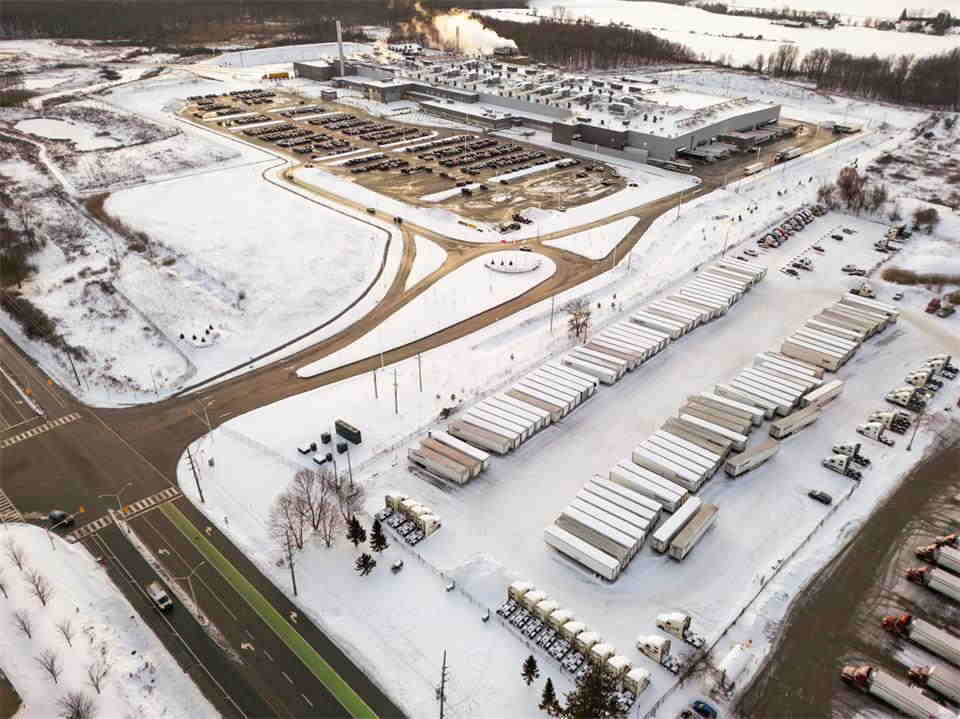
When freezing temperatures hit, equipment failures, dead batteries, and communication delays can leave facility teams struggling to respond when every minute counts. Without proper preparation, a routine maintenance issue or power outage can quickly become a costly operational disruption and put employee safety at risk. Learn how to protect essential field gear, maintain reliable communication, and prepare your facility to keep critical operations running through severe winter conditions.
Cold Weather Equipment Vulnerabilities
Cold affects batteries, display screens, cables, seals, and lubricated components in different ways. Battery-powered equipment may show a full charge indoors but lose capacity quickly after several hours outside. Moisture can also enter small gaps, then expand as it freezes and damage connections.
Create an equipment register that lists each item’s rated operating temperature, storage requirements, and inspection schedule. OSHA’s winter weather preparedness guidance supports planning before hazardous conditions arrive. During inspections, check cable flexibility, battery age, and signs of condensation. Move sensitive devices away from loading doors and unheated exterior walls, and keep tested replacements in a dry, temperature-controlled location.
Freezing Temperatures Threaten Response Times
A five-minute equipment delay can become significant when employees are managing a blocked entrance, heating failure, or burst pipe. Response plans should account for slower movement, reduced visibility, and the extra time needed to put on protective clothing. Vendors and emergency maintenance crews may also face difficult road conditions.
Test communication equipment under the conditions where it will be used. For teams using compatible professional radio systems, the Ragnarok push-to-talk headset for Motorola MOTOTRBO is a weather-resistant option to assess against operational needs, existing equipment, and site procedures. Facilities should confirm compatibility, train users, and run timed drills at least once before the coldest part of the season.
Protecting Essential Field Gear
Assign specific storage locations for essential field gear so employees don’t waste time searching during an incident. Each response kit should have a visible inventory card and an inspection date. Keep batteries separate when manufacturer guidance recommends it, cover exposed connectors, and allow cold equipment to warm gradually before charging it.
Review severe-weather activation criteria as part of this process. Real-world severe weather protocols show how coordinated plans can define responsibilities and trigger operational changes. Your facility’s criteria might include forecast thresholds, indoor temperature loss, or unsafe access conditions. Once a threshold is met, supervisors should know who releases equipment, who documents its condition, and who confirms that teams received the alert.
Clear Channels During Power Outages
Power loss can disable charging stations, network equipment, and building communication systems at the same time. Establish a primary channel, a backup channel, and a check-in schedule that doesn’t depend on employees improvising under pressure. Printed contact sheets should remain available where authorized staff can reach them. Effective seasonal grid-failure preparedness planning also requires identifying critical equipment, establishing backup power priorities, and preparing teams for extended interruptions.
Label backup power sources with their expected runtime and the equipment they support. A portable supply that runs one charger for eight hours may last far less when several devices are connected. Test these loads quarterly and record the results. During an outage drill, require each team to confirm its location and status at set intervals. If a check-in is missed, the supervisor should follow a written escalation path instead of flooding the channel with repeated calls.
Cold-weather readiness becomes measurable when every device has an owner, every alert has a defined trigger, and every backup system has been tested under load. Before the next freeze, schedule one timed drill that starts with a simulated power failure and ends only after all teams have completed their final check-in.

Navigating Major Property Upgrades Without Stress

Stop Overlooking Routine Safety Checks on Rental Properties

Overlooked Sources of Poor Workplace Air Quality

What Every Buyer Should Verify Before Closing

How to Choose a Thoughtful Gift for a Dog Lover

125 Inspirational Car Quotes and Captions to Celebrate Your New Car

188 Deep Hurt Quotes with Images

148 Romantic Love Quotes for Her from the Heart

164 Relationship Goals Quotes for New Couples Expecting a Long Lasting Relationship

185 Cute Boyfriend Quotes for the Guy You Love
-
 Quotes6 years ago
125 Inspirational Car Quotes and Captions to Celebrate Your New Car
-
Growth6 years ago
188 Deep Hurt Quotes with Images
-
Quotes6 years ago
148 Romantic Love Quotes for Her from the Heart
-
Quotes5 years ago
164 Relationship Goals Quotes for New Couples Expecting a Long Lasting Relationship
-
Quotes6 years ago
185 Cute Boyfriend Quotes for the Guy You Love
-
Quotes6 years ago
141 Best Heart Touching Quotes about Love, Life, and Friendship
-
Quotes5 years ago
134 Time Flies Quotes for the Unforgettable Moments
-
Quotes6 years ago
122 Inspirational Kite Quotes That’ll Make You Wanna Fly Right Now