
Sports
The True Cost of Youth Sports: Balancing Athletic Ambition and Family Finances


Competitive youth sports can place serious pressure on a family’s finances long before college recruiting begins. Registration fees may look manageable at first, but travel, coaching, equipment, and missed work can push the annual total into thousands of dollars. Families also face emotional pressure to keep spending because every tournament can seem like a decisive opportunity. A clear budget and realistic expectations help parents support athletic development without sacrificing college savings, emergency funds, or other family priorities.
The Rising Cost of Junior Tournaments
Tournament fees represent only one part of the real expense. A weekend competition may also require two hotel nights, restaurant meals, transportation, and practice sessions at the venue. If a parent misses work, lost income belongs in the calculation too. The youth sports challenges identified by Project Play show how cost can limit access and push organized sports beyond many household budgets.
Equipment is another expense worth reviewing carefully. Parents should consider durability, fit, safety features, and the athlete’s actual needs before buying new gear. This article on choosing the right sports equipment discusses features to consider when selecting protective equipment.
Track each event as a complete package. For example, a $250 entry fee could produce a final bill of $900 after travel and lodging. Reviewing that total before registering helps you prioritize events that fit the athlete’s development plan and skip trips chosen mainly because other families are attending.
Athletic Scholarships Are Rarer Than You Think
Scholarship expectations can distort spending decisions. According to the NCAA, only about 2% of high school athletes earn an athletics scholarship to compete in college, and most awards cover only part of the cost. Academic scholarships, need-based assistance, and lower tuition may have a greater effect on the final bill.
Recruiting also varies by sport. High school golfers who hope to compete at the college level may benefit from college golf recruiting help when identifying suitable programs, preparing profiles and introductory messages, planning tournament schedules, and communicating with college coaches. Families should compare the cost of personalized guidance with their goals and budget. Before committing, ask what support is included, how often the athlete will work with a coach, and how progress will be assessed.
Targeted Advice Protects Your Long-Term Investment
Good advice can reduce waste when it turns a broad ambition into a focused plan. Before paying for another tournament or private training package, identify the purpose. The expense should support a specific outcome, such as improving a verified performance measure, gaining appropriate competitive experience, or meeting a college program’s academic and athletic standards.
Keep a simple record of results, coach feedback, and total spending. After three or four months, review which expenses produced useful progress. A $100 assessment that identifies a technical weakness may offer more value than a distant event costing $1,200. Clear records also make it easier to spot duplicated services, unnecessary travel and recurring fees that no longer match the athlete’s needs.
Balancing Family Budgets and Athletic Ambition
Set an annual sports limit before the season starts, then divide it among competition, instruction, equipment, and travel. Protect retirement contributions, emergency savings, and ordinary household needs first. The hidden costs of sports can affect family stress as well as the bank balance, so parents should discuss the budget openly and avoid making the athlete feel responsible for financial strain.
Leave room for unexpected costs, but define what qualifies as necessary. You might fund one major out-of-state event while choosing local competitions for the rest of the season. Review the plan together every few months, especially after changes in coaching or recruiting goals. The most useful number may be a firm family spending ceiling that allows the athlete to compete without turning each result into a test of whether the money was worthwhile.

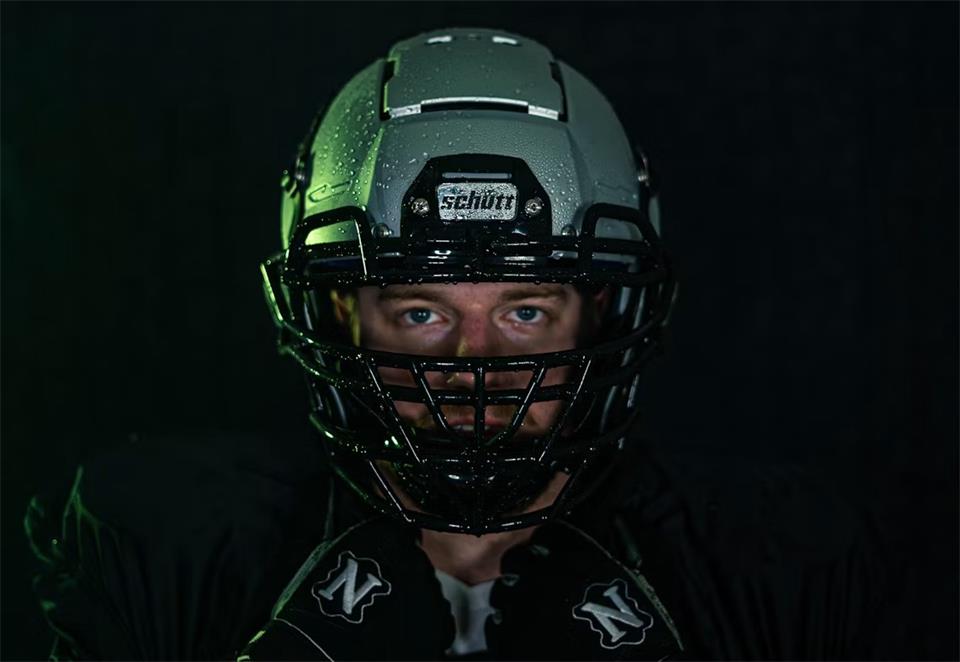
High-performance gear is constantly evolving, from race cars to protective sports equipment. A focus on athlete safety has transformed design, moving away from simple one-size-fits-all gear. Today’s equipment is a sophisticated system for performance and protection, with ongoing efforts to advance player care at all levels.
This innovation is especially crucial in football. The helmet, once a basic piece of plastic and foam, has become a highly technical device.
Modern football helmet technology uses materials science, biomechanics, and data analysis to offer better protection than ever. Understanding these improvements helps parents, coaches, and players choose equipment that puts safety first. Let’s look at the main features that define a next-generation helmet.
Beyond the Shell: The Shift to Advanced Materials
For decades, standard helmet shells were made from polycarbonate, a tough plastic. Traditional designs often meant trading strength for weight, which can tire players and affect their form.
The new era of helmet design overcomes this with advanced materials that are both stronger and lighter. Engineers now use polymer blends and flexible outer shells that absorb and spread impact energy more effectively.
Instead of a rigid shell that sends force straight through, these materials can flex and bounce back, redirecting energy away from the head. A lighter, more advanced football helmet can make a real difference in comfort and endurance without sacrificing protection. This reduced weight helps players keep proper posture late in the game when fatigue sets in.
Smarter Impact Absorption Systems
While the outer shell is the first defense, the real innovation often happens inside. The padding in a next-generation helmet is far more than just foam. Modern helmets use sophisticated multi-layered systems designed to handle different types of impact forces. These include linear forces from a direct hit and rotational forces that twist the head.
Many advanced helmets now feature non-traditional padding structures like lattice-like grids made from elastomeric polymers. Manufacturers can tune these structures to compress and shift in multiple directions.
When an impact occurs, these internal components work together to slow down the forces and reduce the energy transferred to the head. Some designs also include fluid-filled pods or gel packs for an extra layer of cushioning.
The Importance of a Precision Fit
An ill-fitting helmet can’t offer the best protection. A loose helmet can shift during impact, while a tight one causes discomfort and distraction. Next-generation helmets solve this with highly customizable fitting systems that go beyond simple air bladders.
They often use interchangeable padding of different thicknesses for a custom fit around the crown, jaw, and back of the head.
Some manufacturers even use 3D scanning to map an athlete’s head for a truly bespoke fit. This customization ensures the helmet stays securely in place, allowing its protective systems to work as intended. A proper fit also affects an athlete’s confidence.
Studies have shown clear relationships between college football athletes and their equipment, where comfort and proper function play a role in their experience.
Data-Driven Design and Testing
Data is key to proving new helmet designs work. Helmet development is a science-driven field relying on extensive research and testing, not just trial and error.
Engineers use computer simulations and finite element analysis (FEA) to model how designs will perform under various impacts before building a physical prototype. Once created, prototypes undergo rigorous physical testing in labs that simulate on-field impacts.
Emerging helmet testing methods allow more accurate evaluations of how well a helmet reduces both linear and rotational forces. Some helmets are embedded with sensors during testing to collect real-time impact data that engineers use to refine their designs.
This cycle of design, testing, and analysis ensures each generation of helmets offers measurable improvement.
Ventilation and Athlete Comfort
While protection is the top priority, comfort and performance are closely linked. A hot and stuffy helmet can lead to early fatigue and decreased focus. Recognizing this, modern helmet designers have put a greater emphasis on ventilation. They use strategic vent placement and internal air channels to promote airflow, keeping the athlete cool and comfortable.
These airflow systems are often designed using computational fluid dynamics (CFD), the same technology used to optimize aerodynamics in airplanes and race cars. By creating channels that pull cool air in and push hot air out, these helmets can improve an athlete’s thermal regulation.
This focus on the complete user experience, balancing protection with practical comfort, is a hallmark of modern sports equipment. It ensures athletes can perform at their best, confident their gear is working with them.
Choosing the right equipment is a critical part of participating in any sport safely. As technology keeps advancing, the gear designed to protect athletes will only become smarter, lighter, and more effective. Looking for these key features helps you select a helmet that represents the best of modern innovation.

Why Unconventional Retreats Build Stronger Teams

How Architectural Design Can Create a More Productive Executive Home Office

The True Cost of Youth Sports: Balancing Athletic Ambition and Family Finances

Hidden Winter Hazards Lurking in Everyday Homes

How Local Medical Clinics Can Expand Patient Solutions

125 Inspirational Car Quotes and Captions to Celebrate Your New Car

188 Deep Hurt Quotes with Images

148 Romantic Love Quotes for Her from the Heart

164 Relationship Goals Quotes for New Couples Expecting a Long Lasting Relationship

185 Cute Boyfriend Quotes for the Guy You Love
-
 Quotes6 years ago
125 Inspirational Car Quotes and Captions to Celebrate Your New Car
-
Growth6 years ago
188 Deep Hurt Quotes with Images
-
Quotes6 years ago
148 Romantic Love Quotes for Her from the Heart
-
Quotes5 years ago
164 Relationship Goals Quotes for New Couples Expecting a Long Lasting Relationship
-
Quotes6 years ago
185 Cute Boyfriend Quotes for the Guy You Love
-
Quotes6 years ago
141 Best Heart Touching Quotes about Love, Life, and Friendship
-
Quotes5 years ago
134 Time Flies Quotes for the Unforgettable Moments
-
Quotes6 years ago
122 Inspirational Kite Quotes That’ll Make You Wanna Fly Right Now