
Health
How Local Medical Clinics Can Expand Patient Solutions

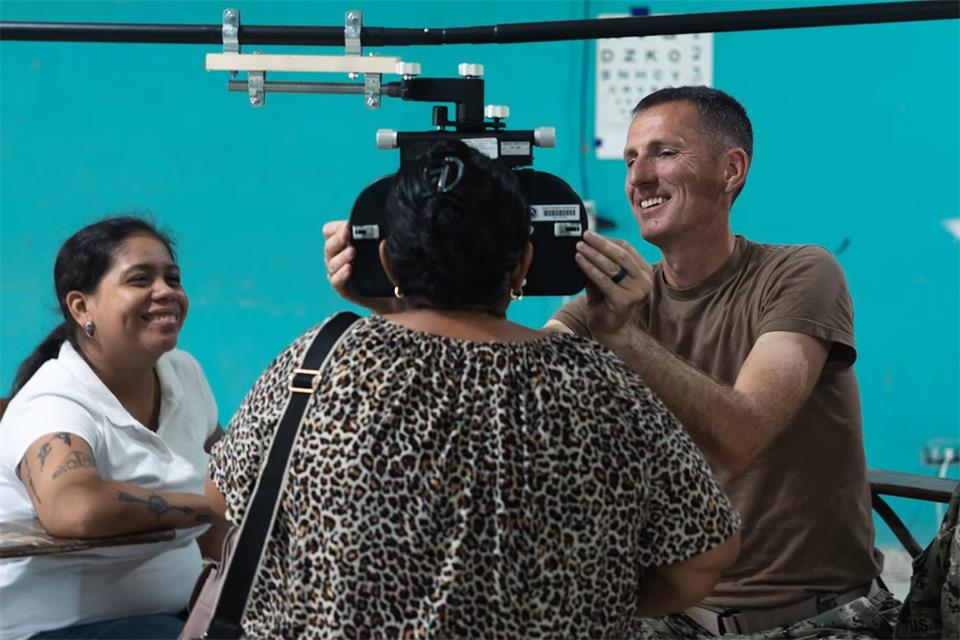
Local medical clinics can expand the care options available to patients by building stronger operational systems and participating in clinical research. This model gives patients access to potential new treatments closer to home while helping clinics develop new capabilities.
Success depends on choosing programs that fit the patient population, preparing staff for added responsibilities and maintaining clear communication with the community.
The Struggle for Practice Independence
Independent clinics often face rising labor costs, administrative demands and pressure from larger health systems. The case for independent medical practice emphasizes the value of physician autonomy and local decision-making, yet independence requires a workable financial and operational plan.
Start by identifying services that meet documented patient needs. Review referral patterns, appointment requests and conditions that frequently require outside care. A clinic might find that many patients travel long distances for specialty monitoring or screening.
Any expansion should support the clinic’s clinical strengths. Assign an owner to each service, estimate staff hours and define the patient volume needed to sustain it. These basic calculations help leaders avoid adding programs that overwhelm existing teams.
Bringing Global Studies to Local Patients
Research participation can connect eligible patients with study opportunities that might otherwise remain concentrated around major academic centers. Clinics considering this step should explore community-based clinical research models designed to integrate studies into everyday healthcare and support access, enrollment and retention.
Begin with studies that match the clinic’s established patient base and medical expertise. For example, a practice that routinely manages diabetes may be better prepared for a related study than one involving an unfamiliar specialty.
Doctors should explain that participation is voluntary and that eligibility depends on a defined protocol. Patients need plain-language information about visits, procedures, possible risks and their right to withdraw. The clinic should also explain which services belong to the study and which remain part of routine care.
Infrastructure Needed for Complex Protocols
Clinical studies require more than an available exam room. Clinics need trained personnel, documented workflows, secure record systems and enough scheduling capacity to complete study visits within specified windows. Some protocols also require controlled storage, laboratory coordination or remote monitoring technology.
Map the full patient visit before accepting a study. Note who confirms eligibility, obtains consent, records data, handles samples and reports concerns. A practice should also designate backup staff so an absence doesn’t cause missed assessments.
Broader medical practice growth guidance can help leaders evaluate staffing, technology and patient experience as they add services. Track practical measures such as screening time, enrollment rates, missed visits and data queries. If routine appointments begin running late, the clinic may need protected research hours or a dedicated coordinator.
Strengthening Trust Across the Community
Patients are more likely to consider new care options when the clinic communicates consistently and respects their concerns. Train reception staff, nurses and clinicians to describe research accurately without promising a medical benefit. Educational materials should use familiar language and offer contact details for follow-up questions.
Community relationships also matter. Clinics can brief local health organizations and patient advocacy groups about the types of studies they conduct, the safeguards involved and how people learn about eligibility. Outreach should include groups that have historically faced transportation, scheduling or language barriers.
Trust grows through visible practices: clear consent conversations, reliable appointment reminders and prompt responses to concerns. When a clinic can show how research visits fit alongside regular care, patients can assess participation on accurate terms and keep their established clinician involved.
The strongest expansion plan starts with one service or study that closely fits the clinic’s patients and staffing capacity. A well-run first program creates the procedures, experience and community confidence needed for the next opportunity.

Repetitive strain can begin after a few intense study sessions, long before discomfort feels serious enough to address. Hours of typing, scrolling and reading in one position place repeated stress on muscles, tendons and nerves. Early signs may include stiffness, tingling, weakness or a dull ache that fades after a break.
These symptoms can seem minor, yet returning to the same posture each day gives irritated tissue little time to recover. Understanding how strain develops helps you change the conditions behind it before pain starts interfering with sleep, concentration or everyday tasks.
Common Myths Around Musculoskeletal Injuries
One common belief is that repetitive strain injuries only affect people who perform physical labor. In reality, sustained computer use and repeated small movements can also cause problems. The Cleveland Clinic’s overview of repetitive strain injury lists typing and using a computer mouse among possible causes.
Age offers no automatic protection either. Students can develop symptoms when long study periods combine with poor wrist position and limited movement. Other repetitive strain misconceptions include the idea that discomfort will always disappear on its own. Rest may settle mild irritation, but recurring symptoms suggest that the activity or setup still needs attention. Persistent pain, numbness or weakness deserves evaluation from a qualified health professional.
The Cumulative Toll of Cramming
Cramming compresses hours of repetitive movement into a period with few recovery breaks. A student might type notes for 90 minutes, review material on a low laptop screen and then spend another hour creating flashcards. The neck stays bent, the shoulders creep upward, and the hands repeat the same motions thousands of times.
Fatigue also changes posture. As concentration drops, you may lean closer to the screen or support your head with one hand. Reviewing practical desk setup ideas can help students reorganize their study space for better comfort, focus and posture. Still, equipment changes work best alongside regular movement. A brief pause every 30 minutes gives your eyes, hands and upper body a chance to reset before tension builds.
Exploring Tested Desk Setup Ideas
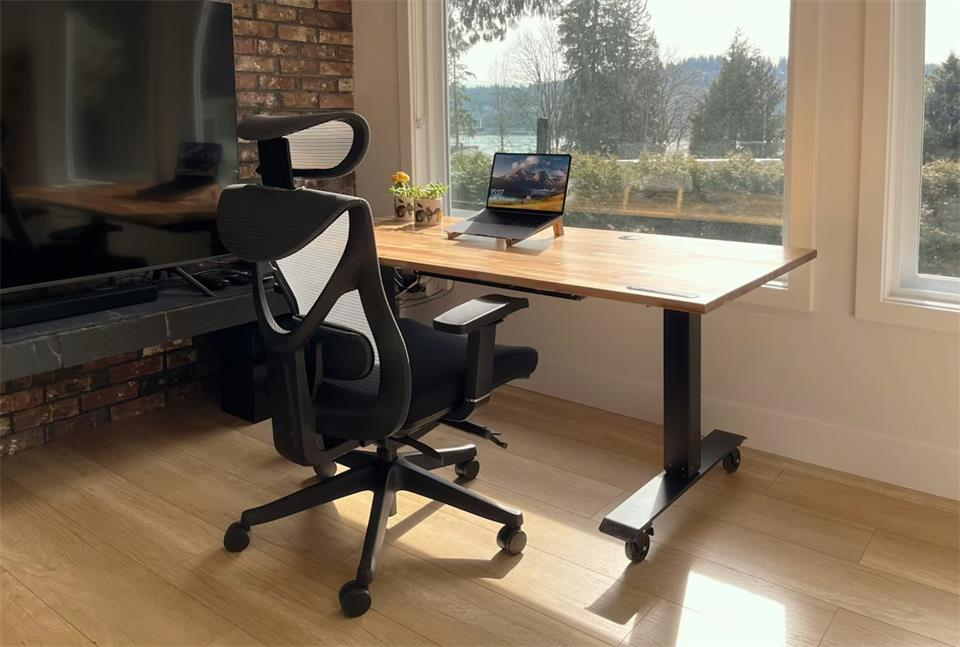
Start with the screen because its position affects the rest of your posture. Place the display roughly an arm’s length away, with the top portion near eye level. If you use a laptop for long sessions, a stand or stable riser can raise the screen, while a separate keyboard and mouse keep your arms in a comfortable position.
Set the chair height so your feet rest firmly on the floor. Your knees should sit near hip level and your lower back should feel supported. Keep frequently used items close enough to reach without twisting. Lighting matters too. Position the screen to limit glare and increase text size before leaning forward becomes a habit. No single posture stays comfortable forever, so leave enough room to shift position during a study session.
Quick Adjustments That Relieve Tension
Small corrections can reduce strain without interrupting your work for long. Drop your shoulders away from your ears, bring your elbows close to your sides and keep your wrists straight while typing. A light touch on the keys and mouse also reduces unnecessary muscle effort.
Movement breaks should involve a real change in position. Stand up, walk across the room or gently open and close your hands for one or two minutes. During reading tasks, alternate between sitting and standing if you have a safe surface at the right height. You can also switch from screen-based notes to printed pages for part of a review session.
Pay attention to patterns. If tingling begins after 40 minutes of typing, take your next break before that point. Symptoms that persist, worsen or disrupt normal activities need professional assessment. Your study schedule can move, but irritated tissue still needs time to recover.

Did you know that the space you live in and spend your time in influences your wellbeing? More than just your daily routines, your environment can positively or negatively influence your life, such as your relationships, well-being, emotions, and more.
From the moment your baby is born to your parents getting older and moving into a care home, the environment you build plays a crucial role in your health and comfort.
Here are some top tips to help you craft a supportive and comforting environment for all stages of life so you can adapt where needed and thrive together.
Why environment so important for emotional wellbeing
Emotional well-being is deeply connected to stability, calmness, safety, and belonging, all of which are important elements impacted by the home environment. Your home is where you spend most of your time and a place where you want to let your guard down and be yourself.
An environment that is chaotic and disorganized can encourage poor behaviors, stress, and bad communication.
However, an environment that promotes calm and stability can have a positive impact and strengthen positive bonds. A home that has comfortable spaces, natural light, predictable routines, regulated nervous systems, and is overall designed for connection and rest.
A nice environment isn’t always just one you can tick off and be done with. It often means considering the different needs of the family members that live in the home and learning how you can adapt and meet this with the environment.
Creative nurturing spaces
Babies and young children
For young children, the environment of the home is important for their development and emotional security. They need to feel safe and soothed, but as they begin to grow, they need an environment that encourages exploration, with a good balance of support and structure.
For example, soft lighting, consistent surroundings, quiet spaces, regular bedtime routines, and dedicated creative zones are a great place to start.
Teens
As children grow, they need an environment that balances safety and calmness with independence and connection. More personal space is integral to their development, in addition to areas where family members can share and have honest conversations.
Parents
You, as a parent, should also be considered when crafting a nice home, as the environment can impact stress levels. Parents have the pressure of creating the environment for family members, but it is also important to consider their needs too.
Clear organization, shared spaces, and quiet spaces to retreat can all be key to supporting emotional well-being. Decor and design with calming colors, dedicated zones, and noise reduction are great.
Elderly parents
As people age, whether it is you or you care for elderly parents, the environment necessary is closely linked to safety, comfort, and familiarity. There comes a time when you must consider whether the home environment can be adapted or if a location like Dessert Rose Retirement Community would be more suitable.
Learning how to be flexible and create a space that works for everyone in the house is key.

Success has a funny way of rewarding the people who can stay calm when everything around them speeds up. In business, that usually looks like strong leadership, smart decision-making, and the ability to solve problems under pressure. But there is one skill set that quietly powers all of those traits, and it rarely makes it onto anyone’s career plan.
Health preparedness.
Not the vague, poster-on-the-wall kind. Real preparedness that shows up in everyday decisions, workplace culture, risk planning, client trust, and how resilient your team actually is when something unexpected happens. Because if your career is built on performance, your health readiness is part of your professional infrastructure.
Health Preparedness Is a Business Asset, Not a Personal Hobby
Most people treat health readiness like a private matter. Something you handle after hours, away from meetings, away from deadlines, away from performance reviews. That mindset is expensive, just not in obvious ways.
Preparedness impacts absenteeism, productivity dips, stress management, and the speed at which teams recover from disruption. When someone has a medical emergency at work, the company does not just lose time. It loses confidence, momentum, and sometimes reputation.
The strongest workplaces are not the ones that pretend emergencies will never happen. They are the ones who plan with the same seriousness they apply to cybersecurity or financial controls.
The Leadership Skill Nobody Trains for Until It Is Too Late
In high-performing environments, leaders are expected to keep composure, protect people, and make good calls fast. That is not just a brand trait. It is a practiced capability. Health preparedness strengthens decision-making under pressure because it builds mental structure.
You stop freezing, you start assessing. You learn to prioritize what matters, delegate clearly, and act instead of guessing.
Even if you never face a major emergency, the mindset changes how you lead. It sharpens your awareness, builds responsibility, and quietly upgrades how people experience you in stressful moments.
Emergency Readiness Is Part of Modern Professional Credibility
The modern workplace is not confined to a neat office with predictable conditions. People work on sites, travel for business, host events, operate machinery, drive long distances, and spend more time on screens than their bodies were designed for.
Health readiness supports your credibility because it signals thoughtfulness. Clients and teams trust businesses that plan for reality instead of focusing only on optics.
There is a noticeable difference between a company that talks about people-first values and a company that can prove it. Preparedness is proof. It makes “we care about our people” look like something tangible, not a slogan.
Your Career Checklist Needs a “Continuity Plan” for You
Most career checklists are built around output. Upskilling, networking, certifications, achievements, targets. But very few people build continuity planning around their personal capacity.
If you are an owner, manager, or key team member, your energy is a business dependency. If you burn out, get sick, or cannot perform, things wobble. Sometimes badly.
Health preparedness is not about being perfect. It is about reducing fragility. Better sleep habits, basic fitness, preventative checkups, mental resilience tools, and realistic boundaries are not self-care trends. They are performance management.
What Matters Most About Being Ready To Act In Your Business Environment
The quality of preparedness for each and every business is going to be very unique and varied. A law office’s health response plan will vary significantly from those of a warehouse, a school, or a corporate events planning team. However, all workplaces require some common foundation of readiness.
Concentrate on developing applicable skills. This means not lengthy lectures that are forgotten in just three days, but rather specific, hands-on skills that can be retained. Prepare your employees to react to choking, fainting, or severe allergic reactions. Also, ensure you have someone able to find emergency equipment, locate it, and know how to use it.
Some teams even establish a “Calm Protocol” during crises. Who contacts emergency services, who greets responders, who opens up space for responders, and who communicates with the rest of the team? The objective is to be quick, orderly, and confident.
Additionally, many businesses increase readiness by supporting Free CPR Classes as an opportunity for their staff to begin building real capabilities without the need for creating large corporate productions.
Insurance and Compliance Are Not the Same as Preparedness
Businesses often confuse being legally covered with being operationally ready. Insurance is essential, but it does not prevent a crisis. It only helps you recover financially after the fact.
There is also a reputational layer that insurance cannot fix. If your team cannot respond properly to an emergency, people remember that. If your team responds with calm confidence, they remember that too. In high-end markets, reputation is currency. Preparedness is one of the most underrated ways to protect it.
Make Health Preparedness a Career Differentiator
If you are ambitious, you already know that small advantages compound. This is one of them. Health preparedness signals that you are someone who thinks beyond your own job description. It makes you valuable in ways that are hard to copy. You are not only good at your role, but you are also good for the environment around you. That is leadership. That is reliability.
Preparedness also makes you more adaptable. When you are trained to respond to uncertainty, change becomes less intimidating. You stay clearer when others become chaotic. And in business, clarity is a superpower.
Simple Ways to Build Preparedness Into a Professional Routine
You do not need a dramatic overhaul. You need smart habits that hold under pressure. Start with what is measurable and easy to maintain. Schedule preventative health checkups like you schedule client meetings.
Create a personal baseline for energy, sleep, hydration, and stress, and track it for a month. Many executives track revenue and growth obsessively, then ignore the body that powers every decision.
In the workplace, run short “readiness refreshers” quarterly. Ten minutes, practical focus, no fluff. Update emergency procedures. Rotate responsibility so more people develop confidence. Preparedness should never sit in one person’s head.
The Bottom Line: Preparedness Protects Performance
The best careers are not built only on talent. They are built on consistency, resilience, and trust. Health preparedness strengthens all three. It reduces disruption. It improves leadership presence. It protects your people and your brand with the same logic you apply to any other business system.
Add it to your career checklist and treat it like what it is. Not a personal side project. A professional advantage that pays back every single time life gets real.

How Local Medical Clinics Can Expand Patient Solutions

Ergonomic Fixes That Prevent Repetitive Strain in Warehouses

High-Touch Careers in an Automated World

Why Repetitive Strain Starts Sooner Than You Think

How Smart Facility Managers Handle Urgent Waste Removal

125 Inspirational Car Quotes and Captions to Celebrate Your New Car

188 Deep Hurt Quotes with Images

148 Romantic Love Quotes for Her from the Heart

164 Relationship Goals Quotes for New Couples Expecting a Long Lasting Relationship

185 Cute Boyfriend Quotes for the Guy You Love
-
 Quotes6 years ago
125 Inspirational Car Quotes and Captions to Celebrate Your New Car
-
Growth6 years ago
188 Deep Hurt Quotes with Images
-
Quotes6 years ago
148 Romantic Love Quotes for Her from the Heart
-
Quotes5 years ago
164 Relationship Goals Quotes for New Couples Expecting a Long Lasting Relationship
-
Quotes6 years ago
185 Cute Boyfriend Quotes for the Guy You Love
-
Quotes6 years ago
141 Best Heart Touching Quotes about Love, Life, and Friendship
-
Quotes5 years ago
134 Time Flies Quotes for the Unforgettable Moments
-
Quotes6 years ago
122 Inspirational Kite Quotes That’ll Make You Wanna Fly Right Now