Marketing
The Structural Differences Between Amateur and Professional Influencer Programs

Most brands that leverage influencer marketing think and feel they are doing it as pros would. They discover influencers, ship some packages, monitor those likes and followers. In reality, what they are conducting is an amateur campaign wearing a professional costume. The gap between the two has nothing to do with the willingness to make an effort; it all comes down to infrastructure.
What “amateur” actually looks like in practice
Inexperienced marketing efforts are sporadic. There is a new launch, a couple of social media updates are shared, the company monitors the number of views, and then there is radio silence until the next occasion. Coherence and continuity are lacking, and there is no feasible way to evaluate if those views contributed to any actual purchases.
The recruitment of content creators is generally based on intuition. An influencer has attractive pictures, a reasonable amount of followers, and is perceived to align with the brand. No one verifies if those followers are authentic, if the account had an abnormal surge in followers six months earlier, or if the creator worked for a direct competitor the previous quarter. Brand protection is not a recognized priority.
All contact details are stored in somebody’s email account. If that individual quits their job, their relationship with the brand ends.
From transactions to evergreen presence
Individual marketing campaigns may drive immediate results but they are not a long-term strategy. For this, you need consistent and ongoing exposure. This is why professional influencer programs are designed with ongoing engagement in mind. Your presence may not always be center stage but your products are always in the front row. You are always on the micro-creator’s radar, ensuring access to a steady stream of influential, user-generated social content.
Commission tiering gives micro-creators a financial stake in your success which keeps them coming back for more, long after that ‘one and done’ beauty contest competitor has faded to obscurity.
Brands operating in competitive markets or expanding internationally face an additional layer of complexity here. Matching with creators who have genuine authority in a specific geography, language, or subculture requires local knowledge that most in-house teams don’t have.
Working with an influencer management agency london gives brands access to established creator networks and market-specific expertise that take years to build organically – particularly valuable in markets where relationships and reputation move faster than data does.
The infrastructure professional programs run on
Influencer management at scale is not “instinctual.” Professional processes, systems, legal protections, and purchase orders are required.
Creator relationships sit inside a centralized CRM that logs every interaction – rates negotiated, content delivered, results achieved, exclusivity periods agreed. The program doesn’t live in one person’s head. It survives turnover.
Contracts cover content usage rights, disclosure requirements, and exclusivity windows in writing before anything goes live. This isn’t paranoia; it’s what allows a brand to repurpose a creator’s video in email campaigns or out-of-home advertising without legal exposure. Securing usage rights upfront changes how much value you can extract from every piece of content produced.
Briefing documents walk a line that amateur programs almost always get wrong. Too prescriptive and the content sounds like a press release. Too loose and the brand message disappears entirely. Professional briefs give creators the psychological hooks, the goal, and the boundaries – then let the native voice do the rest. Audiences trust creators precisely because they don’t sound like ad copy.
How measurement changes at the professional level
Metrics like reach, impressions, and raw engagement are often considered vanity metrics. When you don’t have a solid attribution model, professional influencer marketing programs will help you determine which influencer touchpoints led to conversion.
Did you get your conversion at the top of the funnel, or along the way via other paid or organic outreach? How does influencer exposure interact with paid retargeting ads you’re already running? If you don’t have a good concept of this, you’re working on the assumption plan.
The impact of outcomes comes down to this very measurement. The Influencer Marketing Hub, 2023 Benchmark Report estimates that businesses are making an average of $5.28 for every $1 spent on influencer marketing, but the top 13% are seeing returns of $20 or more. There are winners and losers in every type of marketing.
Most noise about “micro- this” or “nano- that” can be brushed aside; the main difference continues to be measurement. The “better” performers from campaign to campaign aren’t using more famous faces; they’re just better at measuring the performance, sentiment, and creative opportunity for paid amplification.
Post-campaign analysis in professional programs also includes sentiment review. Not just “how many people saw this,” but how did they respond, what language did they use, and did the brand land the way it was intended.
First-party data and long-term value
The most successful brands with influencer marketing don’t just measure the uptake. They deploy specific campaigns to create and develop their resources. For example, they capture email addresses via landing pages created by influencers. They obtain pixel data from referral sources, and they get community members to sign up who are then integrated into retention activities.
This elevates the importance of the influencer relationship from a one-time lease of attention to becoming a resource for developing long-term equity in your audience. Amateurs in this field are not aware of such concepts. Pros cannot afford to ignore them.
Growth Influencer Development is, after all, about applying the exact same logic to the channel as you would do with any other investment in your marketing budget. And brands that do this consistently, don’t just run better campaigns, they simply have a more efficient structure that their competitors still want to learn about.

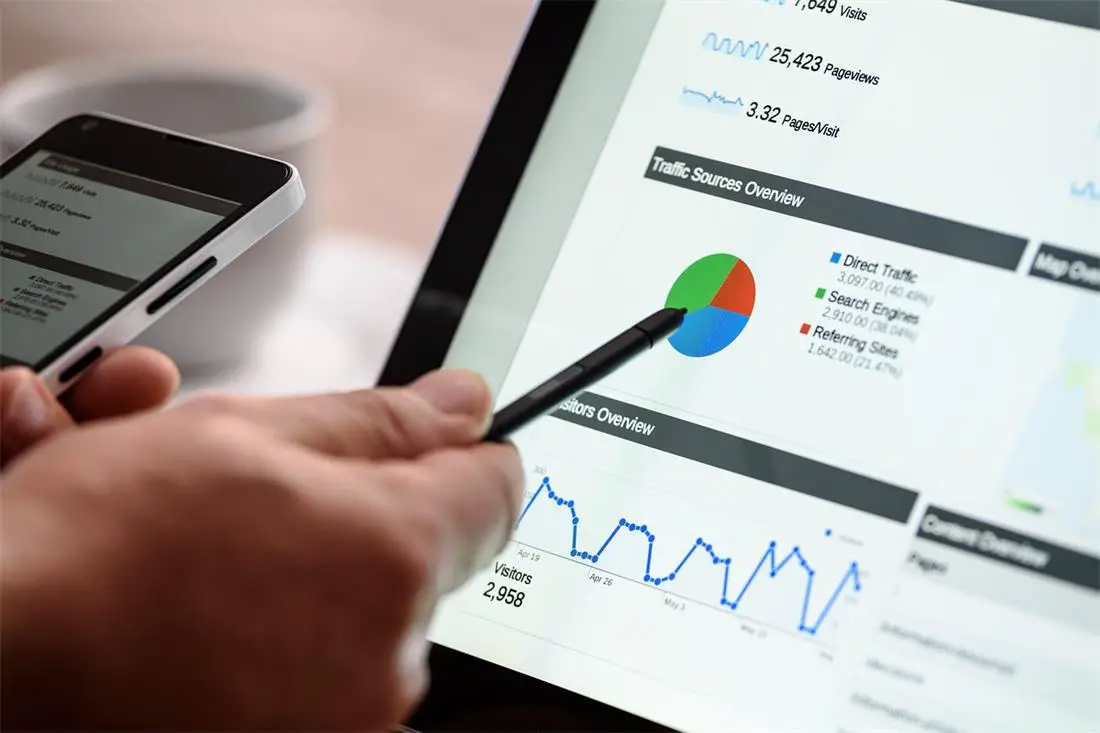
When it comes to driving results from your online campaigns, getting the right traffic is critical. But let’s be honest: navigating the options for ad networks can feel overwhelming. The good news is that with the right tool traffic ad network, you can unlock incredible potential for your campaigns.
Whether you’re looking to boost brand visibility, drive conversions, or hit those ambitious ROI goals, the key lies in how you optimise your approach. So, how can you get the best out of a tool traffic ad network?
Understanding Tool Traffic Ad Networks
First, let’s clarify what we’re talking about. A tool traffic ad network is a platform that connects advertisers with specific audiences based on niche tools, applications, or software they use.
These networks are particularly effective for targeting users actively engaged with tools related to your product or service. Why does this matter? Because these users are already primed for solutions, making them more likely to engage with your ads.
But targeting the right audience is just one piece of the puzzle. How you manage your campaigns within these networks can make or break your results. It’s all about optimisation—tweaking, testing, and refining until you hit the sweet spot.
Setting Clear Objectives from the Start
Before diving into any campaign, you need to have a solid plan. What’s your primary goal? Is it lead generation? Are you trying to increase downloads, drive sales, or simply build awareness? Clarity here will guide every decision you make.
For instance, if you’re aiming for conversions, your focus might be on crafting highly persuasive copy and ensuring your landing page is optimised for action. On the other hand, if brand awareness is the goal, eye-catching visuals and creative storytelling might take centre stage. When your objectives are clear, you can measure success effectively and make data-driven adjustments along the way.
Targeting the Right Audience
A major advantage of tool traffic ad networks is their ability to zero in on specific user groups. But precision targeting only works if you truly understand your audience. Ask yourself:
- Who are your ideal customers?
- What challenges are they facing?
- Which tools or platforms do they already use that align with your product?
Building detailed audience personas can help you answer these questions. Dive into demographics, behaviours, and preferences. Once you know who you’re speaking to, crafting campaigns that resonate becomes much easier.
Crafting Attention-Grabbing Ads
No matter how well-targeted your audience is, your campaign won’t succeed if your ads don’t grab their attention. Think about it: how many ads do you scroll past every day without a second glance? Yours needs to stand out.
Here’s how to make it happen:
- Strong headlines – Your headline is the hook. Make it clear, compelling, and relevant to your audience’s pain points or interests.
- Engaging visuals – Use images or graphics that immediately capture attention and communicate your message.
- Concise messaging – Keep your copy short, sharp, and to the point. Highlight the value you’re offering.
- Clear calls to action (CTAs) – Tell users exactly what you want them to do next. “Sign up now,” “Learn more,” or “Get started” are all simple yet effective.
Monitoring and Adjusting Your Campaigns
One of the biggest mistakes advertisers make is setting up a campaign and then letting it run without close monitoring. Ad performance can fluctuate for many reasons—seasonal trends, audience fatigue, or even changes in the platform algorithm. That’s why regular performance checks are essential.
Dive into the metrics regularly. Are you getting enough impressions? Is your click-through rate where it should be? Are conversions translating into real value? Use this data to make adjustments. Maybe it’s time to tweak your targeting, test a new ad format, or freshen up your creative.
A/B testing can be particularly useful here. Experiment with different headlines, visuals, or CTAs to see what resonates best. Small changes can lead to significant improvements over time.
Balancing Cost and Return
Budget management is another critical aspect of campaign optimisation. Tool traffic ad networks often allow for flexibility in bidding strategies, so take advantage of that. Start by setting a realistic budget that aligns with your objectives and gradually scale up as you identify what’s working.
But don’t just focus on cost per click (CPC) or impressions. Look at the bigger picture: how much value is each click bringing in? Cost per acquisition (CPA) and return on ad spend (ROAS) are much better indicators of success. By focusing on the quality of your traffic rather than just the volume, you’ll ensure your investment delivers meaningful results.
Enhancing the User Journey
Your ads might be brilliant, but if the user experience after they click is poor, all your hard work could go to waste. Make sure the landing page they arrive on is seamless, fast-loading, and relevant to your ad. It should have a clear path to action, whether that’s filling out a form, making a purchase, or downloading a resource.
Pay attention to mobile users too. Many people will interact with your ads on their phones, so a mobile-friendly landing page is non-negotiable.
Maximising Results Over Time
Optimisation isn’t a one-and-done task—it’s an ongoing process. As you collect more data, you’ll gain deeper insights into what works and what doesn’t. Use this knowledge to continuously refine your campaigns.
Keep an eye on industry trends, explore new ad formats, and don’t be afraid to take calculated risks. Over time, these efforts will compound, leading to better performance and greater returns.
Driving Success with Smarter Strategies
Leveraging a tool traffic ad network can be a powerful way to reach highly targeted audiences, but success doesn’t happen by accident. It takes careful planning, thoughtful execution, and a commitment to ongoing improvement. By setting clear objectives, understanding your audience, and continuously optimising your approach, you’ll position your campaigns for success.
So, what’s your next move? Whether you’re launching your first campaign or refining an existing one, take these strategies and put them into action. You might be surprised by the results you can achieve when every detail is dialled in just right.

Smart Inventory Habits That Save Modern Clinics Hours

How Digital Asset Businesses Can Strengthen Compliance and Financial Reporting

How Employee Well-Being Supports Productivity and Long-Term Business Performance

A First-Timer’s Guide to Using HubSpot as a Real Estate CRM

Digital Transformation for Physical Spaces: A New Approach

125 Inspirational Car Quotes and Captions to Celebrate Your New Car

188 Deep Hurt Quotes with Images

148 Romantic Love Quotes for Her from the Heart

164 Relationship Goals Quotes for New Couples Expecting a Long Lasting Relationship

185 Cute Boyfriend Quotes for the Guy You Love
-
 Quotes6 years ago
125 Inspirational Car Quotes and Captions to Celebrate Your New Car
-
Growth6 years ago
188 Deep Hurt Quotes with Images
-
Quotes6 years ago
148 Romantic Love Quotes for Her from the Heart
-
Quotes5 years ago
164 Relationship Goals Quotes for New Couples Expecting a Long Lasting Relationship
-
Quotes6 years ago
185 Cute Boyfriend Quotes for the Guy You Love
-
Quotes6 years ago
141 Best Heart Touching Quotes about Love, Life, and Friendship
-
Quotes5 years ago
134 Time Flies Quotes for the Unforgettable Moments
-
Quotes5 years ago
122 Inspirational Kite Quotes That’ll Make You Wanna Fly Right Now