
Lifesytle
Let Your Lawn Mow Itself: The Magic of Robot Mowers

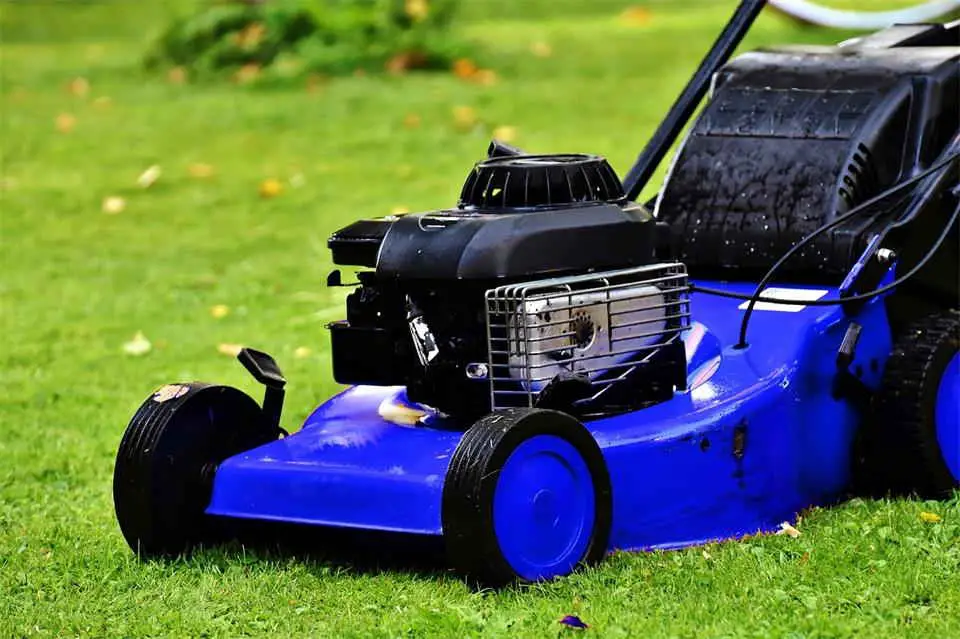
Imagine never having to push a lawn mower again. No more sweating in the sun, no more wrestling with a heavy machine, and no more spending your weekends doing yard work.
Sounds like a dream, right? Well, that dream is now a reality thanks to robotic lawn mowers. These little machines handle the work for you, giving you a perfectly cut lawn without lifting a finger.
What Is a Robot Lawn Mower?
A robot lawn mower is exactly what it sounds like—a smart, battery-powered machine that trims your grass automatically. Once set up, it moves around your lawn, cutting grass as it goes. Most models can navigate around obstacles, avoid flower beds, and even return to their charging station when they need more power.
These mowers use sensors and GPS to map your yard, making sure they don’t cut too much or too little. Some can even adjust the height of the blades based on how fast your grass is growing. The best part? They work on their own, so you don’t have to babysit them.
How Do They Work?
Setting up a robot mower is simple. First, you install a boundary wire around your yard. This tells the mower where it can and can’t go. Then, you program its schedule, deciding when and how often it should mow. Once everything is set, the mower does the rest.
Many models are smart enough to handle different grass heights, slopes, and even wet conditions. Some connect to your phone, so you can control them from anywhere. Imagine sitting on your porch, sipping lemonade, and watching your mower do all the work for you.
Why Are Robot Mowers So Popular?
More and more people are switching to robotic mowers, and for good reason. They save time, effort, and even money in the long run. Here’s why they’re becoming a must-have for homeowners:
- Less Work, More Free Time
The biggest benefit is obvious: you don’t have to mow your lawn anymore. Instead of spending hours pushing a heavy mower, you can relax, spend time with family, or do something you actually enjoy. - Healthier Grass
Robot mowers cut just a little bit of grass at a time, which is actually better for your lawn. The small clippings break down quickly, acting as a natural fertilizer. This keeps your grass healthier and greener without needing extra chemicals. - Eco-Friendly
Traditional gas mowers produce a lot of pollution, but robot mowers run on electricity. This makes them much better for the environment. Plus, because they mow so often, they use less energy than a regular mower running for hours at a time. - Quiet Operation
If you’ve ever been woken up by a neighbor mowing at 7 AM, you know how loud traditional mowers can be. Robot mowers, on the other hand, are nearly silent. You can let them run at night or early in the morning without disturbing anyone. - Smart Features
Many of today’s robot mowers come with advanced features like app controls, weather sensors, and even AI learning. Some can detect rain and pause mowing until the grass dries. Others can adjust their mowing patterns based on your lawn’s growth rate.
Choosing the Best Robot Lawn Mower
Not all robotic mowers are the same, so choosing the right one depends on your yard’s size, terrain, and personal preferences. If you’re looking for a high-quality option, checking out the best robot lawn mower can help you find a model that fits your needs.
Some mowers are designed for small, flat yards, while others can handle large areas and steep slopes. Battery life, cutting height adjustments, and smart features are also important factors to consider.
Are Robot Mowers Safe?
A common concern is whether robotic mowers are safe, especially around kids and pets. Luckily, most models come with built-in safety features – they have sensors that detect obstacles and stop the blades when something gets too close. Some even have PIN codes to prevent unauthorized use, so you don’t have to worry about kids accidentally turning them on.
How Much Do They Cost?
Robot mowers can be pricey, but they’re an investment in convenience. Prices vary depending on features, but entry-level models start around 0, while high-end options can go over ,000. While this might seem expensive at first, consider how much time (and money) you’ll save on gas, maintenance, and professional lawn care services over the years.
Do They Work for Every Yard?
While robotic mowers are great for most lawns, they’re not perfect for every situation. If your yard has lots of obstacles, tight spaces, or extremely uneven ground, a robot mower might struggle. However, newer models are improving all the time, with better navigation and stronger motors to handle challenging terrain.
Final Thoughts: A Smarter Way to Mow
Robot mowers are changing the way people take care of their lawns. They’re easy to use, great for the environment, and best of all, they save you time. Instead of sweating in the heat, you can enjoy a perfectly trimmed lawn without lifting a finger.
If you’re tired of spending your weekends mowing, maybe it’s time to let a robot do the work for you. With smart technology, eco-friendly benefits, and effortless convenience, there’s never been a better time to upgrade your lawn care game.


Personal jewelry can communicate taste, mark a major commitment, and become part of your everyday identity. For executives and professionals, the strongest pieces tend to feel considered without demanding attention. They fit comfortably under a cuff, complement different dress codes and carry meaning that extends beyond a passing trend. Selecting them calls for the same thoughtful judgment you might apply to a tailored jacket or a well-made watch.
The Visual Language of Subtle Luxury
Subtle luxury depends on proportion, finish, and restraint. A slim gold band, low-profile stone setting, or clean geometric form can look polished in a boardroom while remaining comfortable during travel and evening events. These pieces complement an outfit without becoming its sole focus.
Pay attention to how jewelry interacts with your usual wardrobe. Warm gold tones pair naturally with navy, cream, and earthy colors, while white metals sit comfortably alongside charcoal, black, and cooler shades. Scale matters too. If you wear a watch daily, try rings beside it to make sure the combination feels balanced. A well-proportioned piece should look intentional from several feet away and reveal its finer details up close.
Choosing Pieces with Lifelong Appeal
Start with personal relevance and practical wearability. An anniversary date, family connection, or professional milestone gives jewelry lasting significance, but the design still needs to suit your routine. When reviewing engagement and fine jewelry rings, consider band width, setting height, metal choice, and customization alongside the appearance of the stones. The collection includes engagement styles and fine jewelry options in different gold finishes, with natural and lab-grown diamond selections.
For diamond pieces, ask for independent diamond grading reports. These documents record characteristics such as cut, color, clarity, and carat weight, helping you compare stones using consistent information.
Try to picture the piece five or ten years from now. Simple solitaires, balanced three-stone arrangements, and plain or lightly detailed bands tend to move easily between formal occasions and ordinary workdays. Comfort also deserves attention. Smooth edges and secure settings make frequent wear much more realistic.
Metals That Complement Daily Wear
Metal choice affects appearance, maintenance, and how a piece feels throughout the day. Yellow gold has a warm, traditional character, although its appearance can change over time through everyday wear and surface scratches. White gold offers a cooler finish, though its surface plating may need periodic renewal. Rose gold brings a softer tone, while platinum feels substantial and naturally maintains its white color.
Check the purity mark inside a ring and ask the seller to explain its composition. The FTC’s guidance on buying platinum, gold, and silver jewelry provides useful context on metal descriptions, markings, and seller claims.
Your daily environment should shape the decision. Someone who types for long periods may prefer a narrow band with rounded edges. Frequent travelers might value a durable, low-set design that won’t catch easily on clothing or bags. If your skin reacts to certain alloys, request exact material details before purchasing.
Building Value Over Novelty
Long-term value begins with workmanship. Inspect the inside of a ring as closely as the visible surface. Finishing should be smooth, stones should sit securely, and decorative details should appear even. Ask how resizing, cleaning, and repairs are handled because dependable aftercare can add years to a frequently worn piece.
Keep receipts, grading documents, appraisal records and photographs together in a secure digital folder. For higher-value jewelry, update the appraisal periodically and check whether your insurance requires separate coverage. At home, store each item in its own soft compartment to reduce scratches and remove rings before using harsh cleaning products.
A meaningful collection can remain small. One signature band, a milestone piece, and a formal option may cover nearly every setting. The best final test is simple: the jewelry should feel natural enough to wear often and distinctive enough that its story remains unmistakably yours.

Moving somewhere new often feels like the beginning of an exciting chapter. Whether you’re relocating for a job, moving closer to family or simply looking for a change of scenery, the prospect of starting fresh can be incredibly appealing. New surroundings bring opportunities to meet different people, explore unfamiliar places, and establish routines that better suit your lifestyle.
However, the reality of relocating isn’t always as straightforward as the excitement suggests. Beyond packing boxes and finding somewhere to live, moving involves financial, practical, and emotional challenges that can catch even the most organized people off guard. Knowing what to expect can make the transition considerably easier.
The Costs That Don’t Appear in Your Initial Budget
Most people anticipate the obvious expenses associated with moving, such as deposits, removal services and travel. Unfortunately, smaller costs have a habit of accumulating when you’re concentrating on the bigger picture.
Packing supplies, cleaning products, utility connections and temporary accommodation can all add to the final bill. You might also need to replace furniture that doesn’t fit your new property or purchase household essentials you’ve previously taken for granted.
Creating a detailed moving budget is a sensible starting point, but leaving some money aside for unexpected expenses is equally important. Having that financial breathing room can prevent relatively minor problems from becoming major sources of stress.
Getting Your Belongings to Their New Home
Transporting everything you own can be surprisingly complicated when moving a considerable distance. Furniture needs protecting, fragile possessions require careful packing, and larger items may present difficulties when navigating narrow staircases or doorways.
Finding suitable transport is another challenge, especially when you’re working within a limited budget. Comparing different options through platforms such as www.shiply.com can help you explore transport quotes rather than committing to the first available service.
It’s worth checking exactly what’s included before booking. Loading assistance, insurance arrangements and delivery times can vary, so clarifying these details beforehand helps avoid unpleasant surprises.
Decluttering before the move can also make a difference. Transporting possessions you no longer use creates additional work and expense, particularly when they could be donated, sold or recycled instead.
Adjusting to an Unfamiliar Environment
Even when you’ve chosen somewhere you genuinely want to live, settling into a new area takes time. Everyday activities that once required little thought can suddenly become frustrating.
Finding a reliable supermarket, registering with a doctor or learning the quickest route to work may seem like small tasks, but dealing with several unfamiliar routines simultaneously can feel exhausting.
Researching your new neighborhood before arriving can make the adjustment smoother. Look into local transport, essential services, and nearby facilities, but allow yourself time to discover the area naturally rather than expecting everything to feel familiar immediately.
Leaving Behind Familiar People and Routines
One of the less discussed difficulties of moving is the emotional impact of leaving established relationships behind. Even when relocation is a positive decision, you may miss friends, neighbors, and the familiar places that formed part of your everyday life.
Technology makes staying connected easier, but video calls and messages don’t always replace spontaneous conversations or regular social activities.
Making new connections can help, whether through local clubs, volunteering, community events, or simply getting to know your neighbors. Building friendships rarely happens overnight, so it’s important not to interpret an initially quiet social life as a sign that moving was a mistake.
Managing the Pressure to Settle In Quickly
There’s often an expectation that moving somewhere new should immediately improve your life. Social media can reinforce this impression when people share attractive photographs of their new homes without mentioning the difficulties involved.
In reality, unpacking, arranging services, and establishing routines can take weeks or even months. You may experience periods of uncertainty alongside the excitement, especially if you’re adjusting to a new job or unfamiliar surroundings.
Rather than trying to accomplish everything immediately, concentrate on manageable priorities. Getting your bedroom organized, establishing a regular shopping routine, and learning your local area can make everyday life feel more comfortable.
Giving Your New Beginning Time to Develop
Relocating is rarely just a practical exercise. It involves changing familiar habits, adapting to new surroundings, and creating a sense of belonging somewhere different.
Careful preparation can reduce many of the logistical and financial difficulties, but some adjustments require patience. It’s perfectly normal to miss aspects of your previous home while appreciating the opportunities your new location offers.
The most rewarding fresh starts aren’t necessarily the ones that go exactly according to plan. They’re often the ones where you gradually overcome unfamiliar challenges, build new connections, and begin to feel that your new surroundings genuinely belong to you.

Estate plans work best when they address the practical decisions a family may face during the first few days after a death. A will explains how property should be handled, but it may say little about funeral arrangements, important contacts, or memorial preferences. Recording those details can reduce uncertainty at a difficult time. It also gives relatives clear instructions while there’s still an opportunity to discuss costs, personal wishes, and the people responsible for carrying them out.
Beyond Wills and Asset Distribution
A complete plan should identify who can access key records and manage immediate responsibilities. Your executor may handle the estate, while another trusted person coordinates the funeral or contacts relatives. Make sure both people know where to find identification, insurance information, legal documents, and account details.
The right legal structure depends on your assets and family circumstances. Some people use wills alone, while others explore legacy trust strategies for property management and long-term distributions.
Keep a separate instruction letter for practical details that don’t belong in a will. Since courts may not review a will until after services occur, family members need faster access to contact lists, digital account instructions, and arrangements you’ve already made.
Understanding Modern Funeral Costs
Funeral costs vary according to location, service format, transportation needs, and the products a family selects. Burial or cremation is only one part of the total. Printed materials, flowers, venue fees, obituary notices, and a reception can all affect the final amount.
Ask providers for an itemized price list and clarify which services are optional. Funeral professionals also account for operational items sourced through wholesale vendors of Funeral Home Supplies, including service essentials, stationery, and preparation-room equipment. These behind-the-scenes needs can influence how a service is organized and priced.
Set a spending range in your planning notes, then explain how funds should be accessed. A prepaid contract, insurance benefit, or dedicated savings account may work differently depending on its terms, so confirm who can authorize payment.
Behind Professional Mortuary Logistics
A funeral home coordinates more than the public-facing ceremony. Staff members may arrange transportation, prepare required paperwork, communicate with cemeteries or crematories, and schedule facilities. They also manage preparation spaces, printed service materials, and equipment while working within health and professional standards.
Timing matters. A family may need to make several decisions within 24 to 72 hours, especially when relatives must travel or services involve multiple locations. Your written plan should name the preferred funeral home, note any existing contract, and list the person authorized to approve arrangements.
Review an end-of-life planning guide with your family and legal adviser. This can reveal missing information, such as who will care for pets, secure the home, or notify an employer.
Documenting Family Memorial Preferences
Write down enough detail to guide your family without forcing them to guess. Include your preference for burial or cremation, the type of gathering you want, and any cultural or faith traditions that should be observed. You might also name preferred readings, music, or charitable causes. For a personal tribute, you can also leave examples of remembrance messages and words of comfort for honoring a loved one to help relatives express their feelings and celebrate meaningful memories.
Store these instructions somewhere accessible. A locked safe is useful only if the appropriate person has the code or key. Give copies to your chosen representative and tell close relatives where the current version is kept.
Review the document after major life changes such as a marriage, divorce, relocation, or death in the family. Add the date to each revision and destroy outdated copies so conflicting instructions don’t create confusion.
A clear end-of-life file should be easy to locate and simple to follow. Label the folder, include current contact details, and check it once a year alongside your other estate documents. That small administrative habit can spare your family from making urgent choices without guidance.

How Small Businesses Can Improve Inventory Management

How to Choose Timeless Jewelry That Reflects Your Personal Style

The Unexpected Challenges of Moving Somewhere New

Common Commercial Cleaning Mistakes Perth Property Managers Can Avoid

When Inherited Real Estate Causes Family Friction

125 Inspirational Car Quotes and Captions to Celebrate Your New Car

188 Deep Hurt Quotes with Images

148 Romantic Love Quotes for Her from the Heart

164 Relationship Goals Quotes for New Couples Expecting a Long Lasting Relationship

185 Cute Boyfriend Quotes for the Guy You Love
-
 Quotes6 years ago
125 Inspirational Car Quotes and Captions to Celebrate Your New Car
-
Growth6 years ago
188 Deep Hurt Quotes with Images
-
Quotes6 years ago
148 Romantic Love Quotes for Her from the Heart
-
Quotes5 years ago
164 Relationship Goals Quotes for New Couples Expecting a Long Lasting Relationship
-
Quotes6 years ago
185 Cute Boyfriend Quotes for the Guy You Love
-
Quotes6 years ago
141 Best Heart Touching Quotes about Love, Life, and Friendship
-
Quotes5 years ago
134 Time Flies Quotes for the Unforgettable Moments
-
Quotes6 years ago
122 Inspirational Kite Quotes That’ll Make You Wanna Fly Right Now