
Industry
Is Your Jobsite Ready for Major Structural Upgrades?

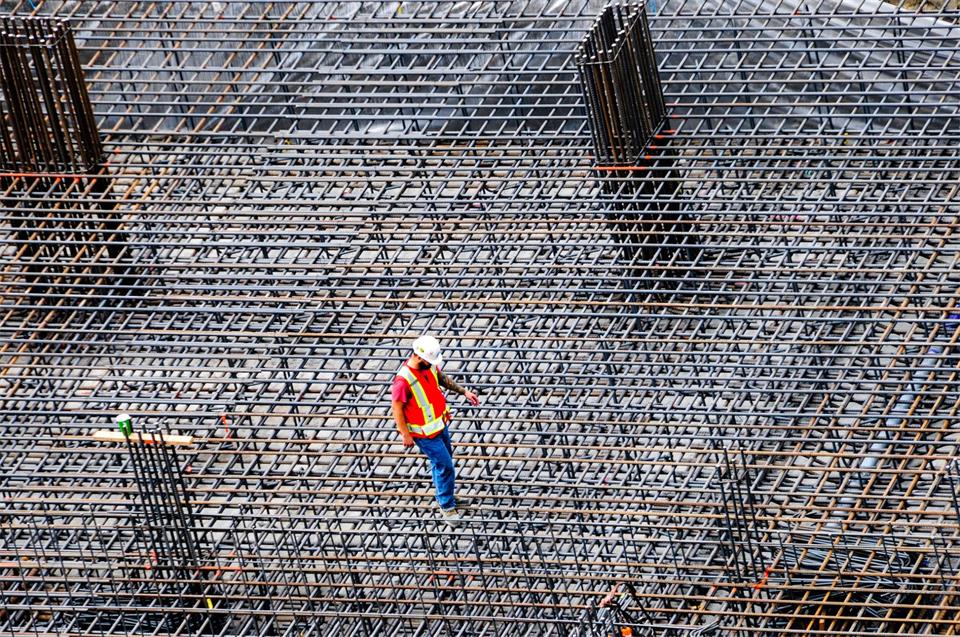
Are unstable ground conditions, restricted access, or poorly planned equipment zones putting your structural upgrade project at risk? Inadequate site preparation can cause delivery delays, safety hazards, and disruption to nearby occupants. Learn how to assess ground capacity, organize staging areas, select suitable machinery, and protect tenants and the public before construction begins.
Assessing Ground Stability and Access
Start with the ground beneath every planned machine position, material stack, and delivery route. A paved surface may look sound while hiding poorly compacted fill, damaged drainage, or underground services that limit its capacity. Review geotechnical reports, utility plans, and previous excavation records, then confirm current conditions through an on-site inspection.
Pay close attention to slopes, soft shoulders, and recent trenches. Structural upgrade projects often take place beside occupied buildings, where access roads were designed for cars and light service vehicles. A narrow turn, low overhead clearance, or weak utility cover can stop a delivery at the gate. Record route widths, turning space, gradients and vertical clearances instead of relying on visual estimates.
The ground assessment should also account for changing weather. Rain can reduce bearing capacity, wash material onto access roads and create standing water near operating areas. Prepare drainage paths and specify where temporary ground protection will be required.
Mark approved travel routes on the site logistics plan and verify them after each major phase. Excavation, temporary works and material storage can alter commercial site access within days. A short inspection before each large delivery is far less costly than recovering a vehicle from unstable ground or rescheduling a crew that can’t reach its work area.
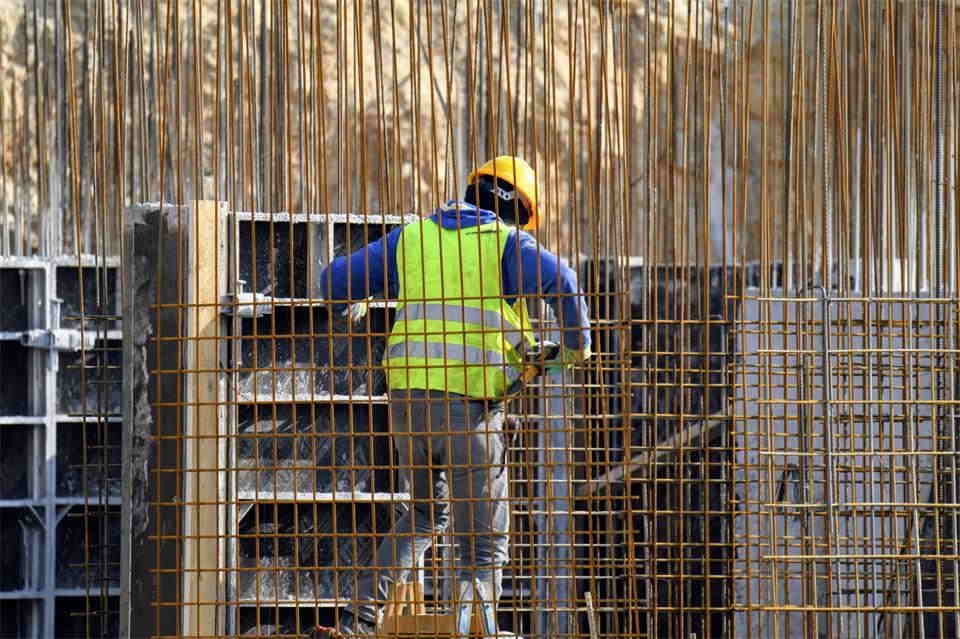
Staging Zones That Maintain Flow
A well-positioned staging zone keeps materials moving without turning the center of the jobsite into a storage yard. Place it close enough to the active work area to reduce repeated handling, while preserving clear paths for workers, deliveries, and emergency access. Where space is tight, schedule timed deliveries and divide the zone into clearly marked areas for incoming goods, inspected materials, and items ready for installation.
Plan equipment selection alongside the staging layout. Spreaders, stabilizing supports, and material handling accessories need enough room for inspection, connection, and safe storage. When project teams compare lifting equipment for construction, they should check rated capacity, load dimensions, attachment compatibility, and the space required to position each item. Those details affect the staging footprint and may determine the order in which structural components arrive.
Keep pedestrian routes physically separated from loading and transfer areas wherever the site allows. Barriers, signs, and high-visibility floor markings help, but the layout should provide the main protection. Workers shouldn’t have to cross an active unloading point to reach welfare facilities or enter the building.
Assign someone to manage the zone during peak delivery periods. That person can confirm booking times, direct drivers, and prevent unapproved storage from narrowing access. Review the layout as the project moves through its main construction phases, since a location that works during demolition may become unsuitable once installation begins. Updated plans should show current travel lanes, exclusion areas, and short-term storage limits so every contractor works from the same information.
Selecting Key Machinery for High Reaches
High-reach work requires equipment that suits the load, working height, and available setup area. Maximum height alone gives an incomplete picture. Project teams also need to consider horizontal reach, platform or attachment capacity, ground pressure, operating radius, and clearance from the existing structure. A machine that can reach the roofline may still be unsuitable if its rated capacity drops sharply at the required extension.
Use verified load information during selection. Structural beams, facade panels and mechanical units should have documented weights, dimensions and approved connection points. Include lifting accessories in the total load calculation and allow for the configuration shown in the manufacturer’s instructions. An engineer or other qualified specialist should review unusual loads and any operation close to the equipment’s limits.
Setup conditions deserve equal attention. Identify the full operating area on the logistics plan, including stabilizer positions and controlled zones around overhead work. Check that the ground assessment covers those exact points. Machinery placed only a few feet from the planned position may sit over different fill, a service trench, or a basement structure with a lower load limit.
Build inspection time into the schedule before work starts. Operators need a clear handover covering site hazards, approved routes, and communication methods. The lift or access plan should also identify weather limits, shutdown procedures, and the person authorized to pause the task. Wind can affect large panels at relatively low speeds, even when the machinery itself remains within its general operating limit.
Finally, confirm how equipment will leave the site. Newly installed frames, scaffolding, or stored materials can block the original exit route. Planning the removal sequence now prevents expensive dismantling later.
Minimizing Tenant and Public Disruption
Structural upgrades often happen beside occupied offices, homes, or public spaces. Site readiness must therefore cover people outside the construction team. Map entrances, sidewalks, parking areas, and delivery bays that tenants or visitors use. Then identify where noise, dust, vibration, or temporary closures could affect normal activity.
Set predictable working windows and communicate them early. A notice should state the date, expected duration, and practical effect of the work, such as a closed entrance or several hours of intermittent noise. Provide an alternate route before closing the usual one. Vague warnings create confusion, while specific information helps building managers and occupants adjust appointments, deliveries and accessibility arrangements.
Dust controls should match the task and building layout. Use physical screening, local extraction and sealed internal doors where work takes place near occupied rooms. Protect air intakes from nearby dust sources and arrange cleaning at the end of each shift. General site preparation guidance also emphasizes hazard identification, access control and clear work zones before construction begins.
Monitor vibration when work occurs near sensitive equipment, fragile finishes or neighboring structures. Establish baseline conditions with photographs and written records, then agree on alert levels before heavy work starts. Noise monitoring may also be appropriate near schools, clinics or residential buildings.
Public protection requires daily attention. Covered walkways, barriers and signs can shift or become damaged as work progresses. Inspect them at the start of each shift and after deliveries or severe weather. Keep complaint and incident reporting channels simple, with one named contact who can respond quickly. A prompt adjustment to delivery timing or barrier placement can prevent a minor inconvenience from becoming a lasting source of conflict.
The final readiness check should happen at the actual workface, not around a meeting table. Walk the delivery route, stand where each machine will operate, and confirm that the latest structural work hasn’t changed clearances or ground conditions. That physical check gives the team one last chance to correct a practical problem before the most demanding work begins.

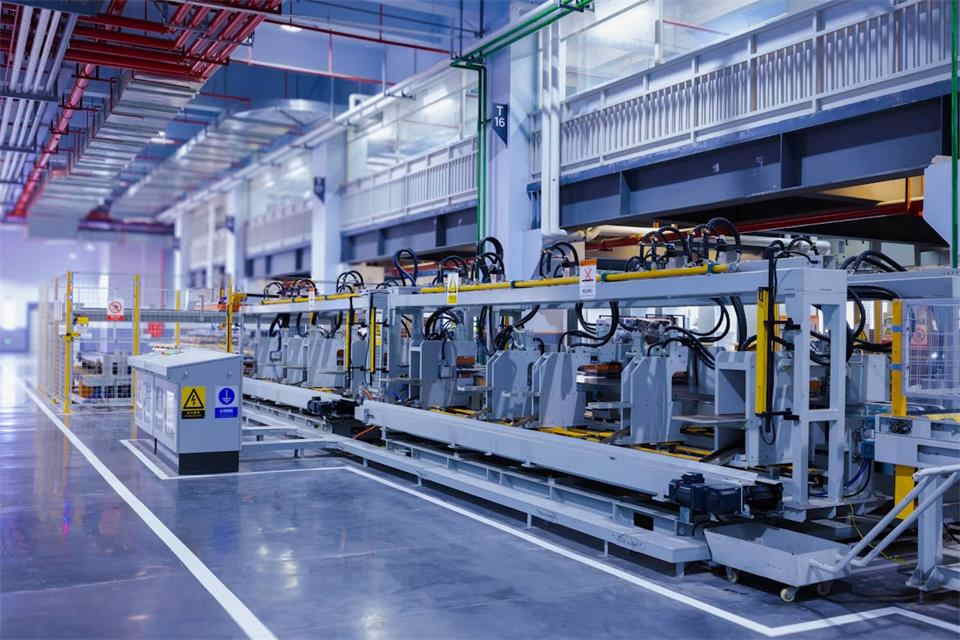
Industrial finishing lines perform best when every component supports a consistent cycle. Stable air pressure, well-placed controls, and equipment matched to the coating process can reduce delays while improving finish quality.
Those gains rarely come from replacing an entire line at once. Most facilities can start by studying current performance, finding recurring losses and improving the areas that have the greatest effect on output.
Find the Real Sources of Lost Time
Start with measurable production data. Track cycle times, changeovers, rework, pressure fluctuations and unplanned stops for at least two weeks. Operators should record when an issue occurred and what was happening at the time, since a simple maintenance log may reveal patterns that automated reports miss.
Air leaks, clogged filters, and poorly adjusted controls can create small delays that add up across a shift. A useful overview of pneumatic automation explains how controlled air systems support repeatable industrial movement and processing.
Set a baseline before changing equipment. If a line currently completes 40 parts per hour with a 7 percent rework rate, those figures give you a clear way to judge each improvement.
Match the System to the Finishing Process
Standard equipment may work for a simple operation, but unusual part shapes, changing production volumes or strict finish requirements often call for a purpose-built setup. Businesses evaluating custom high point pneumatics can consider system design, installation needs and the specific demands of powder or liquid finishing processes together.
Map the full production path before selecting components. Include part loading, surface preparation, coating application, curing and unloading. This reveals where pressure requirements change and where controls need to coordinate with conveyors or other equipment.
Plan for future products as well. A system designed around one part size could become restrictive if the facility expects to add larger pieces or faster color changes within the next few years.
Control Air Quality and Pressure
Compressed air must arrive at the required pressure and in suitable condition. Moisture, oil, or debris can affect valves and application equipment, while excessive pressure wastes energy and may increase wear. Low pressure can produce inconsistent operation, especially when several devices draw air at the same time.
Check pressure at the point of use while the line is operating. A gauge near the compressor may appear normal even when long piping runs, undersized fittings or dirty filters cause a drop farther downstream.
Maintenance teams should also inspect drains, regulators and filter elements on a fixed schedule. Base replacement intervals on actual operating conditions. A busy facility with humid intake air may need more frequent service than a climate-controlled plant running a single shift.
Build Maintenance Into the Workday
Preventive maintenance works best when it fits production routines. Assign short daily checks to operators and reserve more technical inspections for trained maintenance staff. Clear ownership prevents small concerns from remaining unreported until they stop the line.
Daily checks might cover visible leaks, unusual sounds, gauge readings, and loose connections. Weekly or monthly work can include filter inspection, hose condition checks and regulator testing. This industrial pneumatic guide offers added context on efficiency, upkeep and safe industrial use.
Keep common replacement parts organized near the line. Labels should show the component number and compatible equipment so technicians don’t lose valuable time searching during a repair.
Use Data to Guide the Next Upgrade
After making a change, compare the new results with the original baseline. Look beyond total output. A faster line provides limited value if material use rises or rework increases, so track finish defects, energy consumption, maintenance hours, and production volume together.
Test one significant adjustment at a time when practical. If you change pressure settings, control timing and application equipment during the same trial, you may struggle to identify which adjustment produced the result.
The best upgrade may be surprisingly modest. Correcting a pressure drop, moving a control closer to the process or revising a maintenance interval can deliver a measurable improvement without interrupting production for a major rebuild.
Keep Operators Part of the Process
Operators often notice subtle changes before monitoring systems generate an alert. A valve may sound different, a coating pattern may begin to shift, or a cycle may take a few seconds longer. Give employees a simple way to document those observations and review the notes during regular production meetings.
Training should cover normal pressure ranges, warning signs and the proper response to a fault. Update instructions whenever controls or equipment change, then keep the latest version close to the workstation.
A finishing line becomes easier to improve when its data, maintenance records and operator feedback point to the same recurring issue. That shared evidence helps the team choose the next adjustment based on production results instead of guesswork.
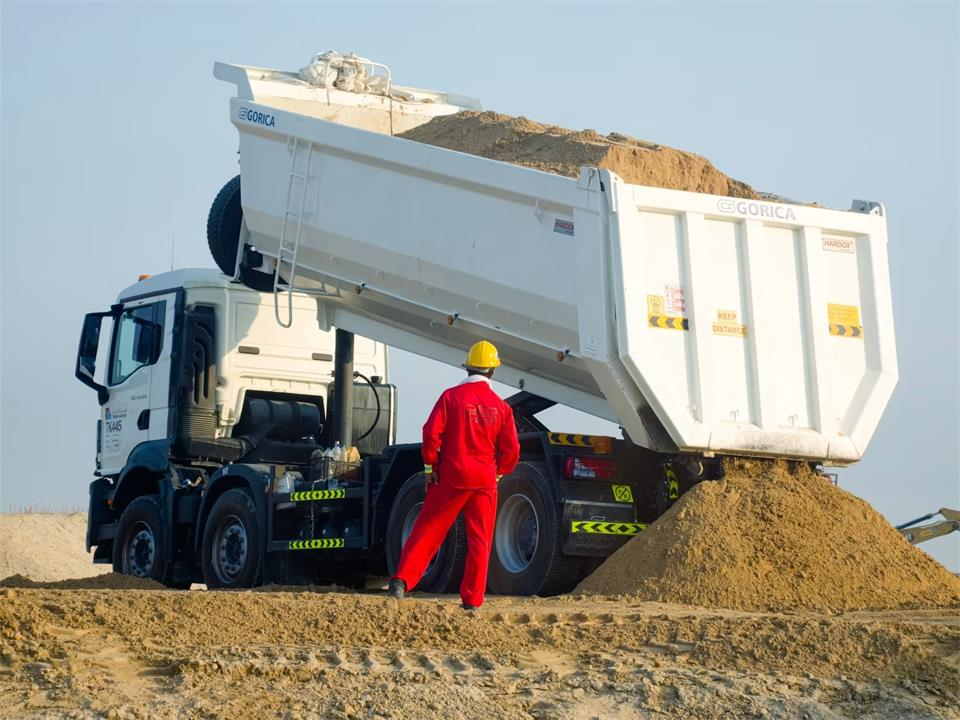
The safety features in today’s industrial vehicles — from backup cameras on delivery vans to advanced collision avoidance systems on heavy-duty trucks — aren’t just clever engineering. They come from a complex mix of public policy, government rules, and new technology.
When we look at how government shapes vehicle design, we see a constant cycle: standards push progress, and that progress then helps create future standards. This back-and-forth makes sure the vehicles in our warehouses, on construction sites, and on our highways get safer for everyone.
Evolution of Vehicle Safety Standards
Vehicle safety has a history of slow, hard-won progress. Early on, when the automotive industry was just starting, safety wasn’t a priority. Manufacturers focused more on how vehicles performed and looked.
Big changes often only happened after tragic accidents caused public outrage. Initial safety standards were reactive, eventually leading to mandatory features we now take for granted, like seatbelts and shatter-resistant windshields.
A key moment highway safety breakthrough was when safety equipment went from being optional to standard, fundamentally changing how manufacturers and the public saw a vehicle’s basic responsibilities.
Over time, the focus has shifted. We used to concentrate on passive safety — features that protect people *during* a crash. Now, we’re more concerned with active safety, which tries to *prevent* crashes altogether. Technologies like anti-lock braking systems (ABS) and electronic stability control (ESC) were pioneers here.
These systems use sensors and software to help drivers keep control in emergencies. For industrial vehicles, this shift has been especially important. Because these vehicles are so large and heavy, preventing an accident is far better than just lessening its impact.
Today’s standards increasingly reflect this proactive approach, pushing for integrated systems that watch the vehicle’s surroundings and can step in automatically to avoid danger.
Government Mandates Driving Innovation
Government regulations often kickstart new safety technologies, moving them from ideas to mass production. When the government requires a specific safety feature, it gives manufacturers a clear, non-negotiable goal.
This removes the disadvantage of adding costs for a feature that competitors might skip. Instead, it levels the playing field, making the whole industry advance together. For instance, the rule requiring electronic stability control in passenger vehicles led to its quick adoption and improvement, and that technology has since been adapted for heavy trucks and buses.
This process isn’t always simple. Creating rules for complex new technologies needs deep technical understanding and teamwork between government agencies and industry experts. Navigating this complicated regulatory world often calls for specialized knowledge.
This is where a professional Government Affairs Firm can offer crucial guidance. These firms help companies understand upcoming laws, talk with regulators, and ensure new rules are both effective for public safety and practical for manufacturers to implement.
This conversation is vital for shaping the future of automotive technology and regulation, making sure innovation can thrive within clear, predictable rules. The result is a powerful engine for progress, with public policy setting the direction and industry providing the innovation.
The Role of Industry Associations
While government rules set the minimum safety requirements, industry associations often help raise the bar even higher. Groups like SAE International, the American Trucking Associations (ATA), and the Association of Equipment Manufacturers (AEM) are key players in developing and promoting best practices.
They bring together competing manufacturers, suppliers, and end-users to work on shared challenges. This collaboration can lead to voluntary standards that address new safety issues long before government regulations are put in place.
These voluntary standards aren’t just suggestions; they often become the unofficial industry benchmark for quality and safety. For example, an association might create a standard testing method for a new type of sensor or a recommended way to design driver assistance system interfaces.
Companies that adopt these standards can show customers they’re committed to safety beyond what the law requires. In many cases, these industry-developed standards eventually become the technical foundation for future government regulations.
This cooperative model lets the industry use its combined technical expertise to solve problems efficiently, while also giving regulators a clear path to turn those solutions into law.
Global Policy Trends in Vehicle Safety
In our global economy, vehicle safety policy doesn’t happen in isolation. Rules set in one major economic region, like the European Union or the United States, can affect the whole world. Manufacturers aim to build “world cars” or “world trucks” — vehicles that can be sold in many markets with few changes.
This gives a strong reason to harmonize safety standards. When one market introduces a tough new requirement, it often becomes cheaper for a global manufacturer to use that standard across all its products rather than making different versions for different countries.
A big focus today is developing policies for automated vehicle safety. As vehicles become more capable of driving themselves, governments worldwide are figuring out how to regulate them. This includes everything from defining automation levels to setting requirements for cybersecurity and data recording.
The policy challenges of self-driving cars and industrial vehicles are huge, needing international cooperation to ensure a truck operating semi-autonomously in one country behaves predictably when it crosses a border into another.
Organizations like the United Nations’ World Forum for Harmonization of Vehicle Regulations (WP.29) are crucial places for these discussions, working to create a common technical and legal framework for safely rolling out future vehicle technologies.
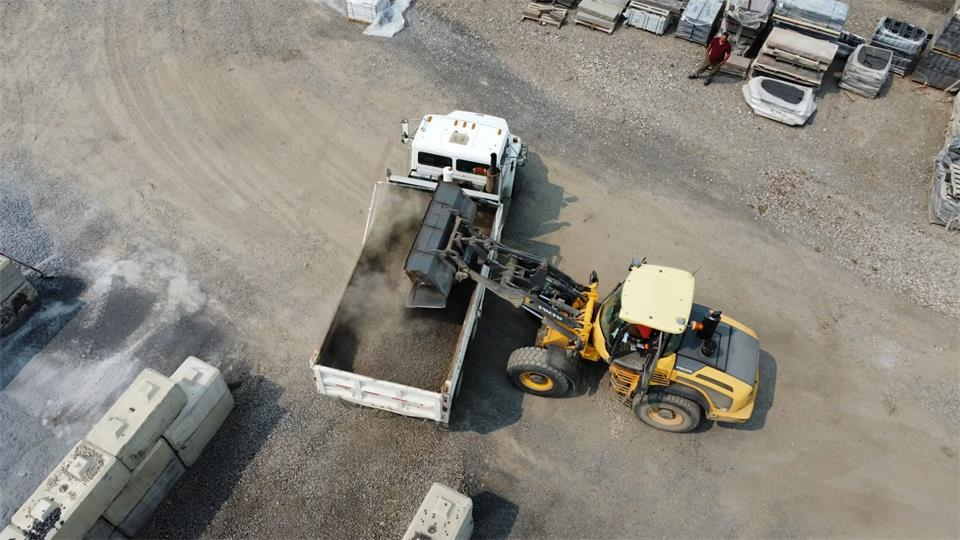
Designing for Compliance and Performance
For engineers and designers at vehicle manufacturing companies, policy isn’t some abstract idea; it’s a core design limitation. The challenge is to meet or exceed every applicable safety regulation while also delivering a vehicle that’s efficient, reliable, and profitable. This is a delicate balancing act.
Adding a new safety system might add weight, which could reduce a truck’s fuel economy or payload capacity. Integrating a new sensor might require an expensive redesign of the vehicle’s body or electrical system.
To handle this complexity, leading manufacturers no longer treat safety as an add-on. Instead, compliance is built into the design process from the very start.
Using advanced computer-aided engineering (CAE) and simulation tools, engineers can model how a vehicle will perform in various crash scenarios and test different safety systems long before a physical prototype is ever built.
This “virtual prototyping” lets them explore different design options, spot potential problems early, and optimize the vehicle for both safety and performance. The goal is to create a vehicle where the safety systems are so seamlessly integrated that they improve the operator’s experience rather than getting in the way.
This approach not only ensures compliance but also results in a better, safer, and more effective product.
Even well-designed collision avoidance and backup systems cannot prevent every crash. When an industrial vehicle or truck accident causes injuries, questions about equipment failure, maintenance, operator training, and responsibility may become part of a claim. An injured person may consult an accident lawyer to understand their legal options and determine what evidence could help establish liability. Maintenance records, inspection reports, and safety-system data may help investigators piece together what happened. In this way, records maintained to support vehicle safety can also become relevant when investigators examine a collision.
Ultimately, the relationship between policy and industrial vehicle safety is a powerful feedback loop. Regulations push manufacturers to innovate, and those innovations then show what’s possible, paving the way for the next generation of even more effective safety standards.
This cycle of continuous improvement is what will keep driving the safety of our industrial vehicles forward for years to come.
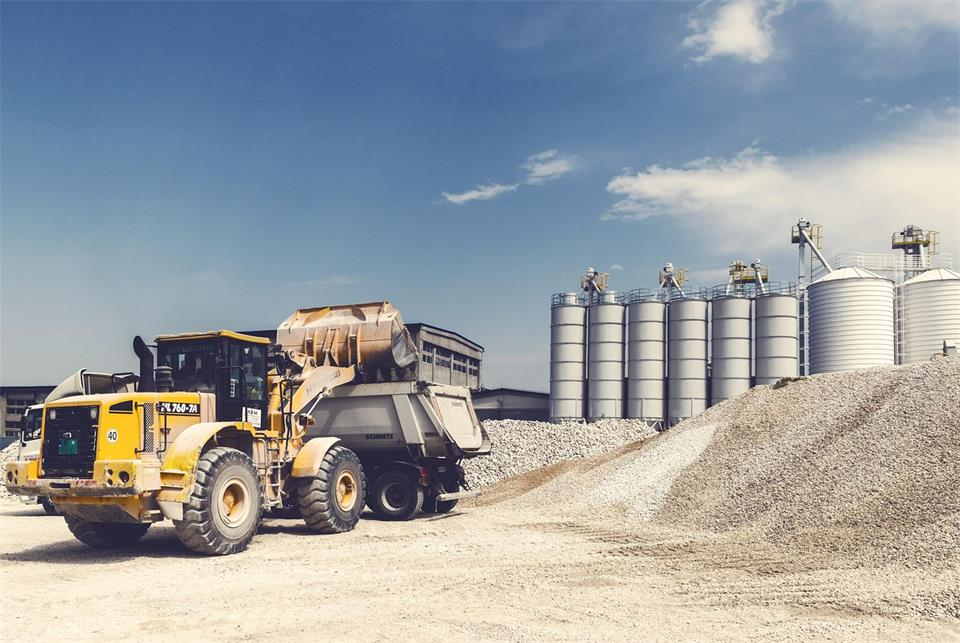
When it comes to safety and operator comfort, the seat is the most critical component of an industrial vehicle. Most safety audits overlook this fact and instead focus on the brake, mirrors, and warning lights. This article explains how the seat influences operator health and safety, and how proper seat selection can help improve outcomes on site.
Whole-body vibration is doing damage you can’t see
Forklifts, and similarly other material handling machines, are also far from the smooth, level ride experienced by operators of agricultural or construction machinery. Rough concrete, dock plates, yard irregularity, and other equipment all contribute to the transmission of shocks to the operator’s body and spine.
This is known as whole-body vibration and it adds up. One shock won’t hurt anyone. Thousands upon thousands of little shocks and repetitive jarring over the months and years will compact a spine, or destroy the soft tissue that holds a lower back in place.
The difficulty is that WBV doesn’t present itself like a cut or a bruise. The injury doesn’t knock off the clock. It just makes the operator tired and stiff. Maybe a little sore in the lower back region, but not injured. That’s normal.
Muscular soreness, especially in the lower back, is a particularly common complaint. Published work in the International Journal of Industrial Ergonomics puts the figure as high as about 70% of industrial forklift drivers suffering from work-related musculoskeletal disorders, the majority of which are back issues – taking into account that forklift drivers are seated drivers and so this exposure effectively doubles the risk of injury.
Physical discomfort has a cognitive price tag
When your muscles are sore, it’s not just painful, it’s also distracting. An operator who has to shift their weight every few minutes to ease the strain on their lower back is not fully focused on the aisle ahead, the pedestrian crossing behind them, or the load on the forks. Pain diverts attention from the task at hand, and in a warehouse full of mobile equipment and unstable loads, divided attention is an invitation to an accident.
This is the part of the safety discussion that often gets overlooked. Operator fatigue is not just a function of overall hours or length of shift. Physical fatigue leads to mental fatigue, regardless of how long it’s been since someone clocked on. A stiff neck or painful lower back prompts the release of stress hormones, elevates blood pressure, and reduces reaction time while undermining peripheral vision and alertness.
Two operators working identical shifts may have significantly different levels of fatigue based solely on the seat they are in. Comfort is not a luxury in this context. It is one of the variables that determine how soon that operator hits the brake.
Passive foam versus active suspension: the mechanics that matter
All seats do not absorb shock in the same way, and the difference matters more than many purchasers realize. A basic foam-padded seat is passive. It simply compresses under weight and provides some cushioning, but it takes no action to counter a jolt. When a vehicle hits a pothole or crosses a dock leveler, that shock is almost transmitted straight through to the operator’s spine, with the foam merely rounding off the rough edges.
Mechanical suspension seats use springs and dampers to absorb some of the shock before it reaches the operator. They are a step up, and they are standard on a lot of mid-range equipment. Air suspension and other active suspension systems go further still.
These systems adjust in near real-time to the operator’s weight and the terrain, and will actually neutralize heavy impact rather than simply take the edge off. On rough outdoor yards, dock areas, or sites with multi-shift operations all running over uneven surfaces, the difference in quality of suspension literally translates into less cumulative vibration reaching the spine over an eight or ten-hour shift.
The suspension system is arguably the single most important spec on an industrial seat, and it is also the one most often overlooked by buyers in favor of visible features like upholstery, or armrest style. When routine audits reveal worn suspension or collapsed foam, replacing the unit with a high-quality forklift seat is the most direct action a manager can take to protect operator health and maintain site safety standards.
The adjustments a multi-shift workforce actually needs
Warehouses that operate 24/7 cannot afford to assign one operator to one vehicle. A single forklift may be operated by three or four drivers during the day. And no two drivers are alike – each has different proportions, heights, and weights. A seat that is well-suited to the first driver may be dangerous to the second if it can’t be fully adjusted to him or her.
Industrially rated seats must feature weight adjustment so their suspension isn’t too firm or too soft regardless of the size of the person in it. Lumbar tension adjustment supports the natural inward curve of the lower back which differs from person to person. And backrest recline is especially vital for workers frequently reversing vehicles, since they’ll be twisting to look behind them. If the seat is too upright, they may overstrain their back’s muscular structure.
Fore and aft adjustable slide rails are necessary for correct posture. If a shorter operator can’t reach the pedals comfortably, they may not be able to react quickly enough in an emergency. If a taller operator can’t sit directly under the steering wheel, their reach to the controls is going to be compromised.
The seat as an active safety device, not just a comfort item
Let’s reconsider how seating is classified within a safety plan. Modern industrial seats are not cushioned comfortable objects disconnected from the safety systems of the vehicle. Many are wired directly into those systems.
Operator presence detection sensors, OPS switches for short, are integrated directly into the seat cushion. If the operator rises from the seat while the vehicle is powered, the sensor immediately cuts hydraulic function and drive power.
A forklift will not so much as lurch a wheel. This prevents one of the most common, dangerous lifting truck incidents: forklift creepage forward, or mast lowering while the operator is absent from the seat or has been thrown from it. Seat belt interlock systems are much the same in principle: the vehicle refuses to move until the belt is fastened and then clamps the vehicle in place.
Of course, these systems are only as good as the seat they are built into. A worn out presence sensor that has gone unresponsive, or a seat belt anchor that has loosened over years of use, renders the entire safety feature null.
This is perhaps the most persuasive argument for including seating with core safety equipment, like brakes and warning horns, rather than considering it to be a nice optional extra that you only assess a decade or so later when it gets uncomfortable.
The financial case for upgrading seating before it fails
Health and Safety and procurement departments may find it challenging to justify an investment in something as seemingly unimportant as operators’ seats. But the numbers often add up once you do the calculations.
Musculoskeletal disorders result in absenteeism, which leads to an increase in labor costs due to overtime, temporary labor, and lost production while replacement operators become familiar with a site’s operations.
Workers’ compensation claims related to back injuries often constitute some of the most expensive payouts and administrative costs for locations to process. In the worst-case scenario, just one claim relating to a serious back injury could cost more than the upgrade of operator seats over an entire fleet for several years.
Then, there are the slower-to-quantify costs of uncomfortable operators: Longer cycle times, more careful – and hence slower – product manipulation, and unpreparedness to work longer hours breed through reduced throughput. These are not recorded on the incident sheet, but they hit the bottom line over time. A productivity-based argument can be much more persuasive than a wellness-led argument to the finance department.
A daily inspection checklist worth actually using
Seating preventive maintenance is one of the first things to be skipped on a pre-shift inspection. A cracked hydraulic hose gets attention. A slowly collapsing foam cushion doesn’t, until an operator complains months later.
A useful daily check should cover:
- Cushion condition – press down on the seat base and backrest. Collapsed or permanently compressed foam has lost its shock-absorbing ability, even if the vinyl looks fine.
- Suspension response – bounce test the seat. If it feels stiff, sticky, or bottoms out easily, the dampers or springs may be worn.
- Seat belt integrity – check for fraying, a buckle that doesn’t latch firmly, or a retractor that doesn’t lock under tension.
- Presence sensor function – confirm the vehicle disables drive and hydraulic function when weight is lifted off the seat.
- Adjustment mechanisms – test that weight, lumbar, recline, and slide adjustments all move freely and hold their position under load.
- Structural mounting – check for cracks in the seat base, loose bolts, or corrosion at the mounting points.
None of these checks take more than a couple of minutes, and they should sit alongside the standard brake, horn, and hydraulic checks that most sites already run every shift. Waiting until a seat is visibly falling apart usually means the operator has already been absorbing excess vibration and poor support for months.
Compliance, duty of care, and the paper trail that protects everyone
Occupational health and safety frameworks in most jurisdictions place a clear duty of care on employers to manage known ergonomic risks, and whole-body vibration exposure is well documented as one of them. International standards addressing vibration exposure limits give safety teams a measurable benchmark to work against, rather than relying on subjective complaints from operators.
Documenting seat inspections, suspension performance, and adjustment features as part of a formal maintenance and ergonomics program does two things at once. It reduces the actual risk of injury on site, and it builds a record showing the business took reasonable, proactive steps to manage a known hazard.
That record matters if a claim is ever filed, because the difference between “we had no idea” and “we inspect and replace seating on a documented schedule” is often the difference in how a claim gets assessed.
Treating seat maintenance as a compliance activity rather than an optional comfort upgrade also tends to keep it on the maintenance calendar permanently, rather than something that gets pushed back every time budgets tighten.
Where site safety actually starts
Brakes stop a truck and lights warn people it’s coming, but the seat is what tells if the person behind the wheel is alert, comfortable, and physically able to react fast when it matters. A safety program that looks over every mechanical system on a truck but overlooks the seat is only managing half the risk. The other half is sitting right there, holding the driver up for eight hours a day.

Is Your Jobsite Ready for Major Structural Upgrades?

What a Small Rural Business Should Weigh Before Buying a Tractor

What to Do When Your Vehicle Quits Unexpectedly

When Fast Growth Overwhelms Your Internal Technology

How Adults Can Make More Informed Choices About Smoking and Nicotine Products

125 Inspirational Car Quotes and Captions to Celebrate Your New Car

188 Deep Hurt Quotes with Images

148 Romantic Love Quotes for Her from the Heart

164 Relationship Goals Quotes for New Couples Expecting a Long Lasting Relationship

185 Cute Boyfriend Quotes for the Guy You Love
-
 Quotes6 years ago
125 Inspirational Car Quotes and Captions to Celebrate Your New Car
-
Growth6 years ago
188 Deep Hurt Quotes with Images
-
Quotes6 years ago
148 Romantic Love Quotes for Her from the Heart
-
Quotes5 years ago
164 Relationship Goals Quotes for New Couples Expecting a Long Lasting Relationship
-
Quotes6 years ago
185 Cute Boyfriend Quotes for the Guy You Love
-
Quotes6 years ago
141 Best Heart Touching Quotes about Love, Life, and Friendship
-
Quotes5 years ago
134 Time Flies Quotes for the Unforgettable Moments
-
Quotes6 years ago
122 Inspirational Kite Quotes That’ll Make You Wanna Fly Right Now