
Law
How to Protect an Inherited Property from Costly Risks

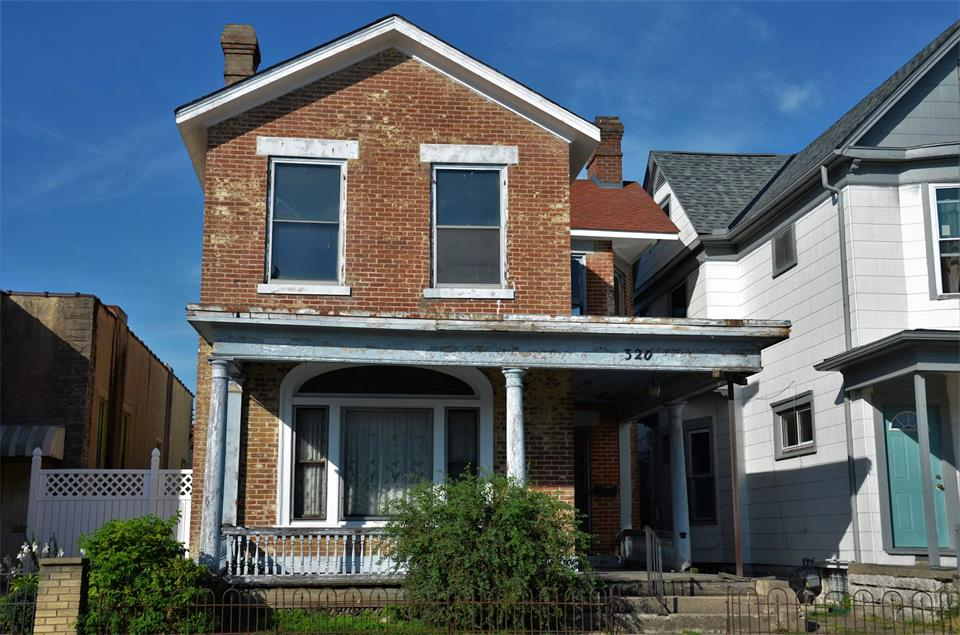
An inherited property can begin losing value before the estate paperwork is complete. Insurance restrictions, water damage, unauthorized entry and overdue maintenance may create expenses that no beneficiary expected. Acting early protects the building while everyone decides whether to keep, rent or sell it.
Start by confirming who can authorize repairs, locating the insurance policy and documenting the property’s current condition with dated photos. Guidance on the hidden costs of inheritance can also help you prepare a realistic budget.
The Hidden Vulnerability of Vacancy
An empty home needs more attention than an occupied one. A dripping pipe may go unnoticed for weeks, mail can accumulate and an overgrown yard may signal that nobody is present. Some insurance policies also reduce or exclude coverage after a property has been vacant for a set period, often 30 or 60 days.
Review the insurer’s vacancy conditions immediately and ask for written confirmation of coverage. Arrange lawn care, redirect mail and keep utilities active where needed for heating, lighting or leak detection. These vacant property safeguards give heirs a practical starting point. Avoid creating the appearance of occupancy through improvised measures that could introduce electrical or fire risks.
Fortify All Exterior Entryways
Inspect every exterior door, window and accessible opening for damage, loose hardware or worn frames. Replace missing keys and change locks if relatives, contractors or previous occupants may still have copies. Sliding doors need secure tracks and functioning latches, while garages and side entrances deserve the same attention as the front door.
If the existing entry has a weak frame or deteriorated screen, professionally installed security doors can provide a more durable barrier for qualifying homes in the Northern Tablelands and surrounding areas. Check that any work suits the building, closes cleanly and doesn’t interfere with emergency exits. Record each improvement with receipts and photos because the estate may need to account for repair costs later.
Establish Regular Inspection Routines
Set a fixed inspection schedule based on the property’s condition, season and insurance requirements. Weekly visits may be sensible for an older home or during freezing weather, while a stable property might need checks every two weeks. The person inspecting should follow the same route each time, covering ceilings, plumbing fixtures, electrical panels, windows and outdoor drainage.
Keep a dated log that notes meter readings, indoor temperature and visible changes. A sudden increase in water use, musty smell or ceiling stain calls for prompt professional attention. Ask inspectors to photograph the same rooms from similar angles so changes are easy to spot. If nobody lives nearby, hire a property manager or insured home-watch service and define its reporting duties in writing.
Resolving Co-Owner Maintenance Disputes
Shared inheritance can stall repairs when owners disagree about cost, urgency or the property’s future. Put immediate safety and damage-prevention work in a separate category from cosmetic improvements. A failed water heater requires action, while new countertops can usually wait until the owners agree on a plan.
Create a written maintenance process that identifies who can approve emergency work, how many estimates are required and how expenses will be divided. Keep estate funds separate from personal accounts and save every invoice. When one owner can’t contribute, document any advance as a reimbursable expense or other arrangement approved by all owners. An estate attorney or mediator can help formalize unresolved issues before missed maintenance turns a manageable repair into a major claim.
The property’s inspection log should stay with its legal and financial records, giving every owner the same clear account of its condition, expenses and completed work.


An inherited family home can become the center of a painful disagreement when memories collide with money. While one sibling sees a place filled with childhood memories worth preserving, another may see a valuable asset that needs to be sold. Add repair bills, property taxes, and differing financial priorities, and even close family relationships can come under pressure. Resolving shared inheritance disputes requires more than good intentions; it takes clear communication, financial transparency, and a practical understanding of each co-owner’s legal rights.
Common Sources of Co-Owner Conflict
Conflict often begins because family members have different expectations. One heir may see a childhood home as part of the family’s history. Another may view it as an asset that should be sold quickly. Disagreements can also involve who gets access, who chooses tenants, and how personal belongings are divided. Recognizing the emotional importance of the bond and shared memories between brothers and sisters can help families understand why inherited property decisions sometimes become deeply personal.
Common sibling inheritance problems become harder to resolve when nobody has current information. Order an appraisal, inspect the property, and confirm each person’s ownership share. Then put all proposals in writing. A shared email thread or online folder gives everyone the same records and reduces arguments about what someone previously promised.
Financial Burdens of Shared Property
Ownership expenses continue even when the family hasn’t decided what to do. Property taxes, insurance, utilities, and emergency repairs can create immediate pressure. If one co-owner pays a $4,000 repair bill alone, that person may expect reimbursement later, but the others may dispute whether the work was approved or necessary.
Create a property account and require receipts for every payment. Agree in writing on monthly contributions, spending limits, and reimbursement rules. Guidance about inheriting with siblings also highlights options such as a buyout or sale.
When ownership rights, unpaid expenses, or control of the property are already disputed, consulting a Real Estate Attorney can help owners in North Carolina or South Carolina assess the available legal options.
Partition Actions and Legal Remedies
A partition action asks a court to end shared ownership when the co-owners can’t agree voluntarily. Depending on the property and applicable state law, the court may divide the land, order a sale, or use another process to distribute its value. A house on a standard residential lot usually can’t be physically split, so a sale may be the practical result.
Court action can involve filing fees, appraisals, legal costs, and delays. It may also reduce the family’s control over the timing and sale terms. Before filing, consider a written buyout proposal, mediation, or an agreed market sale. Keep records of repair payments, rental income, and taxes because those figures may affect the final accounting between owners.
Create a Clear Resolution Roadmap
Set a firm schedule so the property doesn’t remain in limbo. Start with an appraisal and title review, then give each owner a deadline to choose among keeping, selling, or buying out the others. If someone wants a buyout, require proof of financing within a defined period, such as 30 or 45 days.
The written plan should also identify who maintains the property, how offers will be reviewed, and what happens if a deadline passes. Include a method for resolving smaller disputes, such as mediation with a neutral professional.
Family members don’t need to agree about the home’s emotional meaning. They do need accurate numbers, written deadlines, and a workable exit option. A signed roadmap can keep the next missed tax payment or repair bill from becoming the event that sends everyone to court.
Law
Unlocking Real Estate Inheritance: Understanding How Long Probate Takes in NSW Before Selling a Home

An inherited home can be one of an estate’s most valuable assets, but selling it in New South Wales involves more than calling an agent and setting a price. The executor or administrator needs legal authority to deal with the property, beneficiaries may need time to agree on practical matters, and the sale itself has to fit within the wider administration of the estate.
Probate timelines vary, so families should avoid making firm promises about settlement dates too early. A clearer picture of the process can help you plan maintenance, manage expenses and decide when the property is ready for market.
What probate means for an inherited home
Probate is the Supreme Court’s formal recognition of a valid will and the executor named in it. Once the Court issues a grant of probate, the executor has evidence of their authority to collect assets, pay estate liabilities and distribute the remaining estate according to the will.
If a person dies without a valid will, the process is different. An eligible person generally applies for letters of administration and the estate is distributed under intestacy rules. Although people often use “probate” as a broad label for estate administration, the type of grant affects who can act and what documents will be required.
For real estate, this authority matters because a beneficiary doesn’t automatically become the registered owner on the date of death. The title records and estate documents must be dealt with correctly. An executor may eventually transfer the home to a beneficiary or sell it and distribute the net proceeds, depending on the will, the estate’s debts and the beneficiaries’ circumstances.
The post-grant administration process may include collecting money, selling assets, paying debts and preparing an account for beneficiaries. That means the property sale is usually one part of a larger job, not a separate transaction.
How long the process may take
There’s no single probate timetable that applies to every NSW estate. Straightforward applications can move relatively quickly once the required notice period has passed and all documents are ready. Delays may arise if the original will is missing, the will contains an error, an executor has died or renounced the role, or the Court asks for more evidence.
Court processing is only one part of the timeline. Before applying, the executor usually needs the death certificate, original will, and a reliable list of estate assets and liabilities. Locating bank accounts, checking the property title, and confirming outstanding loans can take several weeks, especially when records are incomplete.
A practical guide to how long probate takes can help an executor understand the likely stages and consider when legal advice may be useful. Broader discussions of common probate delays also highlight factors such as family disputes, complex assets and paperwork problems, though overseas procedures and time estimates don’t replace NSW-specific advice.
Consider an estate with one home, one bank account and a clear will. Its application may be simpler than an estate involving a business, several properties and unclear beneficiary details. Executors should treat any quoted timeframe as an estimate and keep written records of requests, documents received and outstanding tasks.
Can you prepare a sale before probate is granted?
Preparatory work can often begin before the grant arrives, but the executor should confirm the legal position before signing a contract or committing the estate to a settlement date. The exact options depend on the title, the wording of the will and how the proposed contract will deal with the pending grant.
Useful early tasks include obtaining market appraisals, checking insurance, arranging urgent repairs and gathering council or strata records. Executors can also speak with a conveyancer or solicitor about the contract documents that will be needed. This preparation may reduce idle time once authority to proceed is clear.
Marketing decisions deserve care. An agent may be able to photograph the property and discuss a campaign before probate, but buyers need accurate information about the seller’s capacity and any conditions affecting settlement. Accepting an offer that requires a quick settlement can create trouble if the grant has not arrived or title requirements remain unresolved.
General guides to the inherited home sale timeline show that preparation, marketing and closing each take time. Since that resource discusses a different legal system, use it only for broad sale-planning ideas. NSW legal advice should guide the contract, disclosure requirements and authority to sell.
Avoid distributing sale proceeds as soon as they reach the estate account. The executor may first need to pay liabilities, allow for tax and administration costs and address any potential claims against the estate.
What can slow down the sale
A probate grant doesn’t guarantee that the home will be ready to list immediately. Physical, financial and family issues can all add time after the legal authority is in place.
The condition of the property is a common factor. A vacant home may need cleaning, garden work, safety repairs or removal of personal belongings. If somebody still lives there, the executor may need advice before discussing access or moving arrangements. Informal assumptions about who may stay in the home can quickly create conflict.
Ownership details can also complicate matters. A property held solely by the deceased may be treated differently from one held jointly with another person. Mortgages, caveats and other title interests need to be identified early. In a strata property, unpaid levies or missing records can delay contract preparation.
Beneficiary disagreement creates another practical hurdle. One person may want a quick sale, while another hopes to keep the home or wait for a higher price. The executor must follow the will and perform their legal duties, so a family vote doesn’t always decide the issue. Independent valuations and written advice can keep the discussion tied to evidence.
Tax should be reviewed before a price is accepted. Capital gains tax treatment may depend on matters such as when the deceased acquired the property, how it was used and when the estate sells it. An accountant can assess the estate’s circumstances and estimate the amount that should remain available for tax and other costs.
A practical plan for executors
Start by securing the property. Check that insurance remains suitable after the owner’s death, particularly if the home is vacant. Collect keys, redirect essential correspondence and keep records of any estate money spent on rates, utilities, insurance or maintenance. Don’t pay estate costs from a personal account without documenting the payment.
Next, build a working file for the property. Include the title search, loan statements, council notices, strata information, repair invoices and at least one market appraisal. If beneficiaries remove furniture or personal items, record what was taken and under what authority. Clear records reduce confusion when the executor prepares estate accounts.
Before listing the home, confirm four points:
- The person signing the agency agreement and sale contract has proper authority
- The proposed settlement date is realistic
- The contract contains any terms required because probate is pending
- The estate has funds available for ongoing costs until settlement
Ask the selling agent to explain the suggested price range, campaign length and likely buyer profile. A written appraisal gives the executor something concrete to consider and share with beneficiaries. For an unusual property or a disputed estate, an independent valuation may provide stronger evidence of market value.
Once a buyer is found, keep beneficiaries updated without promising a distribution date. Settlement proceeds may need to remain in the estate while debts, expenses and tax matters are finalized. A short written update explaining the contract price, settlement date and remaining administration tasks can prevent repeated questions.
The safest starting point is a property file that shows the title position, current expenses and the status of the probate application. Those three details will tell your solicitor, accountant and agent what can happen now and what must wait.

An injury can disrupt your budget long after the first medical appointment. Emergency care, diagnostic tests, follow-up visits, and time away from work may create expenses that insurance doesn’t fully cover. Some bills arrive weeks later, making the total financial impact difficult to see at first.
A personal injury claim may help recover qualifying losses when another person or organization is legally responsible. The process requires careful documentation and a clear understanding of both current costs and the care you may need later.
Medical costs extend beyond the emergency room
The first hospital bill may represent only a portion of your medical expenses. Depending on the injury, you could need imaging, specialist appointments, physical therapy, prescriptions, and medical equipment. Travel to appointments and home assistance can create further costs, even if they don’t appear on a provider’s invoice.
Keep every bill and insurance statement in one place. Review each explanation of benefits to see what the insurer paid, what the provider adjusted, and what remains your responsibility. Federal surprise billing protections may also apply to certain out-of-network charges associated with emergency care. Contact the provider or insurer promptly if a charge appears incorrect.
Document the full financial impact early
Create a simple record of every expense linked to the injury. Include medical bills, prescription receipts, transportation costs, and documentation of missed work. If a family member takes unpaid leave to help you, record those dates and the tasks they performed.
The type of incident may affect what evidence matters. For example, an Arizona resident hurt in an animal attack may consult a dog bite law guide to understand strict liability rules, documentation needs, and possible financial recovery. Photographs, witness contact details, medical notes, and reports made near the time of an incident can help establish what happened and connect the resulting expenses to the injury.
Account for income loss and future care
Personal injury claims may include more than medical bills already received. Lost wages can become a major concern when an injury prevents you from working regular hours or performing your usual duties. Save pay stubs, work schedules, and written confirmation from your employer showing the dates you missed and the income you lost.
Future treatment deserves equal attention. A physician may recommend another procedure, several months of therapy, or periodic evaluations. Settling before you understand those needs could leave you responsible for later costs. A written medical opinion can help estimate the duration and likely price of ongoing care.
Protect your budget while a claim is pending
Claims can take time, while rent, utilities, and medical bills continue to arrive. A realistic financial recovery plan can help you prioritize essential expenses and identify short-term gaps.
Ask providers whether they offer payment plans, billing reviews, or financial assistance. Avoid ignoring invoices, since missed notices can lead to collection activity or limit your chance to dispute an error. Keep notes from every billing call, including the date, the representative’s name, and any agreement reached. Don’t sign a broad settlement or accept an insurer’s valuation until you understand which expenses it covers and whether future treatment has been considered.
Know when legal guidance may help
Legal guidance may be useful when injuries are serious, responsibility is disputed, or an insurer requests extensive records. An attorney can evaluate available evidence, identify recoverable losses, and communicate with insurers while you focus on treatment. This overview of how personal injury attorneys protect recovery explains the broader support they may provide during a claim.
Deadlines vary by state and type of case, so waiting can affect your options. Bring organized records to an initial consultation, including bills, photographs, correspondence, and employment documents. A complete file makes it easier to assess both the immediate financial damage and the expenses that may still be ahead.
Unexpected medical costs become easier to address when each charge, missed shift, and treatment recommendation has a clear paper trail. Start that record as soon as possible, then update it whenever a new bill or medical plan arrives.

Navigating Major Property Upgrades Without Stress

Stop Overlooking Routine Safety Checks on Rental Properties

Overlooked Sources of Poor Workplace Air Quality

What Every Buyer Should Verify Before Closing

How to Choose a Thoughtful Gift for a Dog Lover

125 Inspirational Car Quotes and Captions to Celebrate Your New Car

188 Deep Hurt Quotes with Images

148 Romantic Love Quotes for Her from the Heart

164 Relationship Goals Quotes for New Couples Expecting a Long Lasting Relationship

185 Cute Boyfriend Quotes for the Guy You Love
-
 Quotes6 years ago
125 Inspirational Car Quotes and Captions to Celebrate Your New Car
-
Growth6 years ago
188 Deep Hurt Quotes with Images
-
Quotes6 years ago
148 Romantic Love Quotes for Her from the Heart
-
Quotes5 years ago
164 Relationship Goals Quotes for New Couples Expecting a Long Lasting Relationship
-
Quotes6 years ago
185 Cute Boyfriend Quotes for the Guy You Love
-
Quotes6 years ago
141 Best Heart Touching Quotes about Love, Life, and Friendship
-
Quotes5 years ago
134 Time Flies Quotes for the Unforgettable Moments
-
Quotes6 years ago
122 Inspirational Kite Quotes That’ll Make You Wanna Fly Right Now