
Business
Why Upgrading Commercial Building Infrastructure Is Key to Attracting Premium Tenants

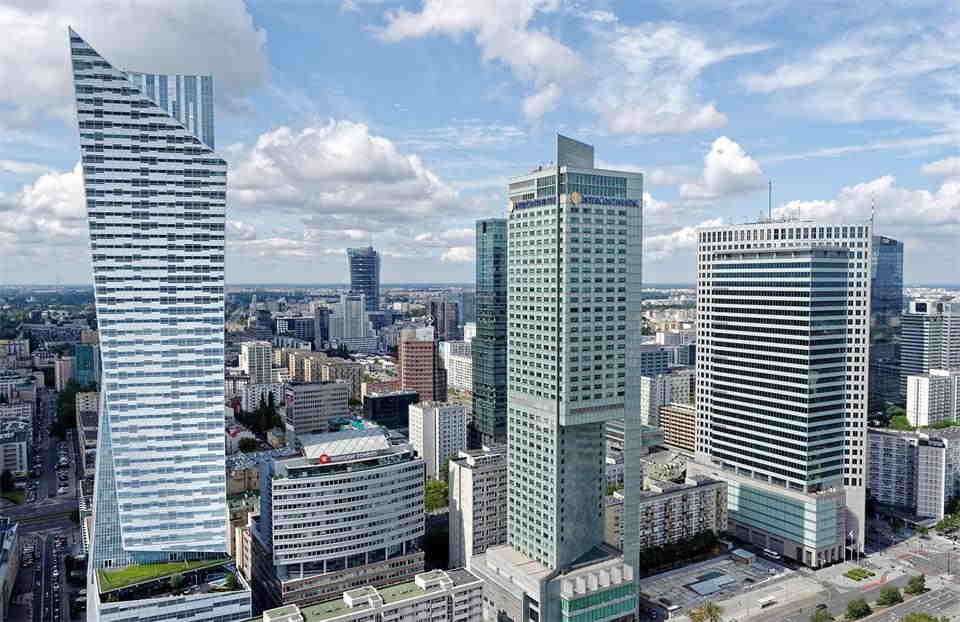
High-quality tenants do not only review the conditions of your contracts but also evaluate your building. Prior to a multi-national enterprise or a rapidly expanding tech company commiting to anything, their property management professionals inspect your property, review your scores, and gather information about your systems that the majority of landlords cannot address. If your building does not meet their standards, they will not close the deal.
ESG Mandates Have Changed The Shortlist Process
Corporate tenants who are committed to Environmental, Social, and Governance (ESG) factors do not consider sustainability a preference anymore. It’s now a requirement, and they use it as a criterion. Buildings that lack credible environmental performance evaluations are automatically ruled out before further assessment or a visit takes place.
This is important because tenants that are most likely to lease long-term and at higher rates are the same as those who have the strictest internal procurement policies. If your building cannot prove its energy efficiency in a measurable and trustworthy manner, you are not part of the competition comprising that category of tenants. Instead, you are left with others.
Based on global research in real estate, commercial office properties that have high sustainability ratings demand a “green” premium. This results in up to 10% more rental income and up to 10.5% higher sales values than for non-rated properties. This is not an intangible advantage, it directly translates into yield.
Electrical Infrastructure Is The Foundation Everything Else Sits On
Modern offices utilize a lot of electricity. Rooms with lots of servers, video editing rooms, large LED screens, and constant use of online collaboration software – the power usage of an average 2024 office is significantly higher than that of a two-decade-old building.
So with that, you need to upgrade the company switchboards. If the power distribution system doesn’t have enough capacity to deliver, you won’t have that reliable supply that tenants expect. You also won’t have enough power to install charging points in your car park, which, for better or worse, is also a requirement for environmentally conscious corporate tenants expecting to charge their green vehicle fleets at work. Power factor correction is something that’s always nice to throw in here as well. It’s a low-hanging fruit for cost reduction, which makes it a popular item to discuss with the sustainability committee.
Before you go ahead and table anything specific in terms of upgrade, your building manager should consult with a trusted, expert commercial electrician sydney and ask them to do a full power audit. You don’t know where the building needs to upgrade until you’ve done one, and you don’t know what that would cost until you’ve done that either. Other than to say both will be more substantial than you’re probably guessing.
While you’re talking with potential tenants, you might as well bring up the idea of adding in Uninterruptible power supply (UPS) systems. For tenants whose business is storing and managing digital data on behalf of others, an unreliable power supply can be a deal-breaker. For those tenants looking for that kind of reliability, it can be the opposite.
Reactive Maintenance Is The Hidden Cost Landlords Keep Absorbing
This scenario repeats more frequently than expected. Something breaks in the building. It is fixed. Then the same issue happens again, typically six months later, and this time, it’s business hours for a tenant. Now, you have a relationship issue.
Reactive maintenance seems the least expensive as the bills arrive randomly. The true cost, however, lies in tenant friction, lease reviews, and eventually, tenant turnover. Acquiring a new tenant is a far greater expense than maintaining an existing one – downtime, lease incentives, and the fit-out can take a toll on your finances.
A commercial building maintenance plan on the other hand, changes that. Regular maintenance, through servicing of HVAC, electrical, and mechanical assets assists in identifying a problem at the degradation stage rather than the failure one. Asset lifecycle management does better – it ensures you know when the system would fail, and when the system should ideally be replaced, so that it isn’t a capital surprise.
For landlords, it’s merely a way to manage their risk. For tenants, who are assessing your building, it is a sign that you are professionally managed – which counts for their corporate decision-maker who likely to have their fingers burnt earlier.
Smart Amenities Directly Affect What The Market Will Pay
LED lighting upgrades are no longer seen as an optional luxury. They are now considered essential standard features of any building. Such modifications help in reducing energy usage as well as the costs related to common areas. Additionally, it can also impact the overall ambiance of a space, which can play a crucial role during an inspection. Tenants are more likely to take notice of buildings that give off the impression of being well-maintained.
Along with this, the implementation of smart building solutions such as automated climate monitoring, ventilation based on occupancy, and the integration of multiple systems for building management, while leading to a reduction in operational expenses, will also provide the level of data and control that tenants expect and demand. Businesses that come with strict sustainability clauses while leasing a property will require such level data. Buildings capable of providing this will undoubtedly have the edge.
The Investment Case Is Straightforward
Owners should not consider infrastructure upgrades as an expense that cannot be recovered but should treat these as investments that can substantially improve the performance of their asset. The returns can be both in terms of a financial gain and an indirect increase in value. Maintenance costs almost always also reduce with new infrastructure.


Warehouse fatigue often starts with small mismatches between the task and the person doing it. A shelf sits a few inches too low, a container lacks usable grips, or an awkward load must be moved dozens of times per shift. Each movement may seem harmless, but repetition gives muscles little time to recover.
Practical ergonomic fixes can reduce strain without slowing the operation. The best results come from examining where fatigue develops, adjusting work zones and giving employees consistent handling methods.
The Anatomy of Manual Handling Fatigue
Manual handling fatigue builds when workers repeatedly bend, reach, twist or hold loads away from the body. These positions increase the effort required from the shoulders, lower back and forearms. Static tasks also matter. Holding a carton for 20 seconds while waiting for space on a conveyor can be more tiring than lifting it directly onto a clear surface.
Review warehouse ergonomics guidance and observe real tasks across an entire shift. Look for workers shaking out their hands, stretching between picks or changing technique as they tire. These are early warning signs.
Record the load weight, lift frequency and distance traveled. A light item handled 300 times can create more fatigue than one heavier item moved occasionally. Include pushing and pulling in the review since poorly maintained cart wheels can add substantial effort.
Redesigning Lift Zones Around Worker Height
Place frequently handled goods between roughly knee and shoulder height. This area allows most workers to keep loads close to the torso while limiting deep bending and overhead reaching. Reserve low and high shelves for lighter items or stock that moves less often.
One fixed shelf arrangement won’t suit every employee, so use adjustable packing benches, pallet positioners or height-variable shelving where practical. If a workstation serves multiple shifts, mark common height settings to make adjustment quick. OSHA’s ergonomic hazard controls favor changes to the task and workplace because they address exposure at its source.
Watch reach depth as well as shelf height. A carton at waist level can still strain the back if someone must lean across a wide pallet. Bring the load forward with turntables, flow racks or smaller replenishment batches.
Introducing Uniform Handling Units
Standardized containers make weight, grip and stacking behavior more predictable. When selecting plastic storage containers and storage tubs for commercial, industrial or food handling operations, match each container’s dimensions and capacity to the task. A tub that can hold 30 pounds may routinely be overloaded if staff judge fullness by available space alone.
Set a practical filled-weight limit and display it at the picking point. Handles should allow a neutral wrist position with enough clearance for gloved hands. Smooth, intact edges also reduce the temptation to grip a container from underneath.
Uniform footprints can improve storage density and help workers plan each movement. Stackable units need stable bases, while nesting models can save space when empty. Test samples with the people who handle them daily before changing the entire warehouse.
Daily Habits That Protect Spinal Health
Good equipment works best when daily routines support it. Start shifts with a brief task review that identifies unusual loads, blocked aisles and equipment problems. This gives supervisors time to correct conditions before workers compensate with awkward movements.
Encourage employees to face the destination before lifting and to move their feet during a turn. Loads should stay close to the body, with two-person handling or mechanical assistance used when size blocks a clear view. Short task rotations can also reduce exposure, provided the replacement task uses different muscle groups.
Recovery deserves attention too. Regular breaks allow tired muscles to regain capacity, while early reporting lets teams correct a shelf, wheel or workflow before discomfort becomes an injury. Managers should treat these reports as useful operational data, not complaints.
A weekly walk-through can focus on one picking route from receiving to dispatch. Measure the highest reach, deepest bend and heaviest filled container along that route, then correct the point that creates the most awkward movement. That specific review often reveals a fix that general safety inspections miss.

Automation can answer routine questions, schedule appointments, and process payments, yet many careers still depend on personal attention and physical skill. Clients remember how a professional listened, solved a specific problem, and made them feel comfortable. That advantage gives high-touch careers lasting value, especially in fields where trust and visible results shape the customer experience. For people planning their next professional move, service-based work can offer a practical path that combines technical ability with qualities software can’t easily reproduce.
Human Connection Remains Irreplaceable
Technology works best when it supports a relationship instead of replacing one. A hotel guest may check in through an app, but a thoughtful employee still knows how to resolve a room issue without adding stress. The same pattern appears in beauty services, health support, and personal advising. An article about the human side of hospitality explains why empathy and personal recognition continue to shape service quality.
Human connection also extends beyond professional interactions to creative expression. Photography, for example, allows people to communicate emotions, perspectives, and experiences through photography as a form of personal expression.
Trust is equally important in fields built around expertise. Discussions of human-centered financial advice show that clients still value reassurance and context when choices feel complicated. You can strengthen these skills by practicing active listening, repeating a client’s priorities and explaining each recommendation in plain language.
Hands-On Mastery Beats Digital Trends
A tutorial can demonstrate a technique, but it can’t watch your hand position or correct uneven results as you work. High-touch careers often require repetition under supervision, followed by feedback that’s specific enough to improve the next attempt. That process turns information into dependable skill.
Aspiring beauty professionals, for example, need experience with tools, sanitation practices, consultations, and services for different hair types. Structured hairstylist training can teach professional techniques while giving students opportunities to apply what they learn in an on-campus clinic. When comparing training options, look closely at supervised practice, licensure preparation, and the amount of direct instructor feedback. Ask how often students work in realistic service settings, since confidence grows through completed appointments and constructive correction.
Practical Education Built for Longevity
Career education has the greatest long-term value when it teaches principles alongside current methods. Trends change quickly, but core abilities such as accurate assessment, safe work habits, and clear communication remain useful for decades. A stylist who understands shape, texture and color theory can interpret a new look instead of merely copying a video.
Before enrolling in any career program, review its curriculum and compare it with the work expected in entry-level positions. Speak with graduates if possible and ask what their first six months on the job involved. Strong programs should help students build consistent routines, manage time and respond professionally when a service doesn’t go as planned. Those habits matter because employers and clients judge reliability through everyday details, including punctuality, cleanliness, and follow-through.
Adapting to Modern Consumer Preferences
High-touch professionals still need to meet digital expectations. Clients may prefer online booking, text reminders, digital portfolios, and electronic payment, even when the service itself happens face to face. Learning these systems reduces administrative work and gives you more time to focus on the person in front of you.
Keep your online information accurate, including hours, services, and appointment policies. Use clear photos to document your work, request permission before posting a client’s image, and respond to messages within a stated time frame. During appointments, save brief notes about preferences so the next visit feels personal without requiring the client to repeat everything.
The strongest careers will pair efficient tools with attentive service. A scheduling platform may secure the appointment, but careful listening, practiced hands, and consistent follow-up are what bring a client back.

Corporate dinners often ask employees to extend their workday while maintaining the same polished behavior they used in the meeting room. A formal restaurant, fixed seating plan and long meal can make the event feel like another obligation. Team dinners work better when they reduce pressure, respect personal time and give people easy ways to participate. That requires a clearer purpose and a format built around the team’s needs.
The Exhaustion of Formal Outings
A formal dinner can be tiring after several hours of presentations or planning sessions. Employees may need to follow unfamiliar etiquette, wait through multiple courses and sustain conversations with people selected by a seating chart. Those demands create more work at the point when attention is already fading.
Choose a casual venue close to the office or meeting site and set a clear end time. Familiar options such as happy hour pizza & drinks can help people order quickly and share food without turning dinner into a production. A 75-minute gathering with flexible seating usually gives colleagues enough time to connect while preserving the rest of their evening.
Psychological Safety in Low-Key Settings
Relaxed surroundings can support honest conversation, but the venue alone won’t create trust. Ohio State University’s overview of psychological safety at work explains why some teams speak up while others remain silent. Managers still shape the tone through their reactions, questions and willingness to listen.
Avoid using dinner to request public feedback on sensitive issues. Instead, keep conversation optional and offer topics that don’t test anyone’s loyalty or confidence. Leaders should also avoid dominating the table or treating informality as permission to ask personal questions. Common psychological safety mistakes include expecting openness without addressing the power differences that influence what employees feel safe saying.
Choosing Approachable Group Menus
A practical group menu gives everyone a realistic chance to eat comfortably. Ask about dietary needs privately before making a reservation, then confirm that the venue can provide clearly identified options. A menu with vegetarian choices, dairy-free items and simple dishes for cautious eaters removes the need for employees to explain themselves at the table.
Shared food can encourage conversation, though every person should still be able to choose an individual meal. Provide the menu in advance and explain what the company will cover. If ordering happens at a counter, arrange payment beforehand so employees aren’t waiting for reimbursement. These details prevent confusion and let the group focus on the social purpose of the evening.
Smarter Rules for Post-Meeting Dinners
Set expectations when you send the invitation. State the start time, expected finish and attendance policy. If the dinner is optional, managers should avoid tracking who attends or implying that visibility affects future opportunities. Employees may have caregiving duties, long commutes, health needs or evening commitments that they prefer to keep private.
Schedule the meal during paid hours when attendance supports a business objective. For a purely social event, make declining easy and offer other ways to connect, such as a team lunch. Keep speeches brief, skip surprise exercises and allow guests to leave without a public explanation. Afterward, ask one specific question: “Did the timing and format work for you?” That feedback is more useful than a broad satisfaction survey.
A successful team dinner should leave employees with energy, not another task to recover from. When the reservation has a firm end time, the menu works for the full group and attendance carries no hidden consequences, colleagues can enjoy the gathering on straightforward terms.

How Local Medical Clinics Can Expand Patient Solutions

Ergonomic Fixes That Prevent Repetitive Strain in Warehouses

High-Touch Careers in an Automated World

Why Repetitive Strain Starts Sooner Than You Think

How Smart Facility Managers Handle Urgent Waste Removal

125 Inspirational Car Quotes and Captions to Celebrate Your New Car

188 Deep Hurt Quotes with Images

148 Romantic Love Quotes for Her from the Heart

164 Relationship Goals Quotes for New Couples Expecting a Long Lasting Relationship

185 Cute Boyfriend Quotes for the Guy You Love
-
 Quotes6 years ago
125 Inspirational Car Quotes and Captions to Celebrate Your New Car
-
Growth6 years ago
188 Deep Hurt Quotes with Images
-
Quotes6 years ago
148 Romantic Love Quotes for Her from the Heart
-
Quotes5 years ago
164 Relationship Goals Quotes for New Couples Expecting a Long Lasting Relationship
-
Quotes6 years ago
185 Cute Boyfriend Quotes for the Guy You Love
-
Quotes6 years ago
141 Best Heart Touching Quotes about Love, Life, and Friendship
-
Quotes5 years ago
134 Time Flies Quotes for the Unforgettable Moments
-
Quotes6 years ago
122 Inspirational Kite Quotes That’ll Make You Wanna Fly Right Now