
Business
Why Traditional Corporate Dinners Fail Your Team


Corporate dinners often ask employees to extend their workday while maintaining the same polished behavior they used in the meeting room. A formal restaurant, fixed seating plan and long meal can make the event feel like another obligation. Team dinners work better when they reduce pressure, respect personal time and give people easy ways to participate. That requires a clearer purpose and a format built around the team’s needs.
The Exhaustion of Formal Outings
A formal dinner can be tiring after several hours of presentations or planning sessions. Employees may need to follow unfamiliar etiquette, wait through multiple courses and sustain conversations with people selected by a seating chart. Those demands create more work at the point when attention is already fading.
Choose a casual venue close to the office or meeting site and set a clear end time. Familiar options such as happy hour pizza & drinks can help people order quickly and share food without turning dinner into a production. A 75-minute gathering with flexible seating usually gives colleagues enough time to connect while preserving the rest of their evening.
Psychological Safety in Low-Key Settings
Relaxed surroundings can support honest conversation, but the venue alone won’t create trust. Ohio State University’s overview of psychological safety at work explains why some teams speak up while others remain silent. Managers still shape the tone through their reactions, questions and willingness to listen.
Avoid using dinner to request public feedback on sensitive issues. Instead, keep conversation optional and offer topics that don’t test anyone’s loyalty or confidence. Leaders should also avoid dominating the table or treating informality as permission to ask personal questions. Common psychological safety mistakes include expecting openness without addressing the power differences that influence what employees feel safe saying.
Choosing Approachable Group Menus
A practical group menu gives everyone a realistic chance to eat comfortably. Ask about dietary needs privately before making a reservation, then confirm that the venue can provide clearly identified options. A menu with vegetarian choices, dairy-free items and simple dishes for cautious eaters removes the need for employees to explain themselves at the table.
Shared food can encourage conversation, though every person should still be able to choose an individual meal. Provide the menu in advance and explain what the company will cover. If ordering happens at a counter, arrange payment beforehand so employees aren’t waiting for reimbursement. These details prevent confusion and let the group focus on the social purpose of the evening.
Smarter Rules for Post-Meeting Dinners
Set expectations when you send the invitation. State the start time, expected finish and attendance policy. If the dinner is optional, managers should avoid tracking who attends or implying that visibility affects future opportunities. Employees may have caregiving duties, long commutes, health needs or evening commitments that they prefer to keep private.
Schedule the meal during paid hours when attendance supports a business objective. For a purely social event, make declining easy and offer other ways to connect, such as a team lunch. Keep speeches brief, skip surprise exercises and allow guests to leave without a public explanation. Afterward, ask one specific question: “Did the timing and format work for you?” That feedback is more useful than a broad satisfaction survey.
A successful team dinner should leave employees with energy, not another task to recover from. When the reservation has a firm end time, the menu works for the full group and attendance carries no hidden consequences, colleagues can enjoy the gathering on straightforward terms.


An injury can disrupt your budget long after the first medical appointment. Emergency care, diagnostic tests, follow-up visits, and time away from work may create expenses that insurance doesn’t fully cover. Some bills arrive weeks later, making the total financial impact difficult to see at first.
A personal injury claim may help recover qualifying losses when another person or organization is legally responsible. The process requires careful documentation and a clear understanding of both current costs and the care you may need later.
Medical costs extend beyond the emergency room
The first hospital bill may represent only a portion of your medical expenses. Depending on the injury, you could need imaging, specialist appointments, physical therapy, prescriptions, and medical equipment. Travel to appointments and home assistance can create further costs, even if they don’t appear on a provider’s invoice.
Keep every bill and insurance statement in one place. Review each explanation of benefits to see what the insurer paid, what the provider adjusted, and what remains your responsibility. Federal surprise billing protections may also apply to certain out-of-network charges associated with emergency care. Contact the provider or insurer promptly if a charge appears incorrect.
Document the full financial impact early
Create a simple record of every expense linked to the injury. Include medical bills, prescription receipts, transportation costs, and documentation of missed work. If a family member takes unpaid leave to help you, record those dates and the tasks they performed.
The type of incident may affect what evidence matters. For example, an Arizona resident hurt in an animal attack may consult a dog bite law guide to understand strict liability rules, documentation needs, and possible financial recovery. Photographs, witness contact details, medical notes, and reports made near the time of an incident can help establish what happened and connect the resulting expenses to the injury.
Account for income loss and future care
Personal injury claims may include more than medical bills already received. Lost wages can become a major concern when an injury prevents you from working regular hours or performing your usual duties. Save pay stubs, work schedules, and written confirmation from your employer showing the dates you missed and the income you lost.
Future treatment deserves equal attention. A physician may recommend another procedure, several months of therapy, or periodic evaluations. Settling before you understand those needs could leave you responsible for later costs. A written medical opinion can help estimate the duration and likely price of ongoing care.
Protect your budget while a claim is pending
Claims can take time, while rent, utilities, and medical bills continue to arrive. A realistic financial recovery plan can help you prioritize essential expenses and identify short-term gaps.
Ask providers whether they offer payment plans, billing reviews, or financial assistance. Avoid ignoring invoices, since missed notices can lead to collection activity or limit your chance to dispute an error. Keep notes from every billing call, including the date, the representative’s name, and any agreement reached. Don’t sign a broad settlement or accept an insurer’s valuation until you understand which expenses it covers and whether future treatment has been considered.
Know when legal guidance may help
Legal guidance may be useful when injuries are serious, responsibility is disputed, or an insurer requests extensive records. An attorney can evaluate available evidence, identify recoverable losses, and communicate with insurers while you focus on treatment. This overview of how personal injury attorneys protect recovery explains the broader support they may provide during a claim.
Deadlines vary by state and type of case, so waiting can affect your options. Bring organized records to an initial consultation, including bills, photographs, correspondence, and employment documents. A complete file makes it easier to assess both the immediate financial damage and the expenses that may still be ahead.
Unexpected medical costs become easier to address when each charge, missed shift, and treatment recommendation has a clear paper trail. Start that record as soon as possible, then update it whenever a new bill or medical plan arrives.

Specialized driving careers can offer experienced commercial drivers a clearer path to higher earnings, steadier work and valuable professional skills. These roles often involve extra training, tighter operating procedures or equipment that requires careful handling.
The added responsibility can pay off over time, but job titles alone don’t tell the full story. Drivers should compare qualifications, schedules, compensation and working conditions before committing to a new specialty.
Why specialization can strengthen a driving career
General freight experience builds a strong foundation, while specialization can make your qualifications more valuable to employers. Some drivers focus on refrigerated transportation, oversized loads, vehicle transport or regulated materials. Other unique trucking career paths include dedicated routes and roles serving specific industries.
Specialized work often comes with stricter schedules, detailed documentation and additional safety procedures. That can suit drivers who are organized and comfortable following precise instructions. It may also reduce competition for certain positions because fewer applicants hold the required endorsements or experience. Before choosing a path, consider how its daily responsibilities match your strengths and preferred work style.
Opportunities for experienced CDL-A drivers
Drivers with a solid safety record and several years of commercial experience may qualify for positions that aren’t open to newer operators. Regulated freight is one option, particularly for people who already have the required CDL-A endorsement and enjoy team-based work.
When comparing hazmat team driver jobs, review the full compensation package alongside the mileage rate or the advertised annual figure. Health insurance, paid time off, retirement contributions, transition incentives and annual bonuses can change the real value of an offer. Ask how team assignments work, how long drivers typically remain away from home and which expenses the employer covers. Clear answers help you judge whether the position will remain practical after the first few months.
Match the schedule to your life
A specialized role may offer attractive pay but still be a poor fit if its schedule conflicts with your responsibilities at home. Team operations can keep a vehicle moving for longer periods, while dedicated routes may provide more predictable stops and regular customer locations. Regional positions can offer more frequent home time, though schedules vary widely among employers.
Create a realistic monthly calendar before accepting an offer. Include expected days away, commute time, appointments and family commitments. Then ask the recruiter about weekend work, reset locations and typical notice for schedule changes. Practical career mapping for drivers should account for lifestyle needs as well as income goals. A schedule you can maintain for several years has more value than a short-term pay increase that leads to burnout.
Look beyond the headline pay figure
Ads may present compensation as cents per mile, weekly guarantees, or estimated annual earnings. Compare offers using the same time period and include every condition attached to bonuses. A $5,000 incentive paid in stages, for example, has a different value from money received in the first paycheck.
Ask for a written explanation of detention pay, breakdown pay, layover rates and paid orientation. Find out whether health coverage starts immediately or after a waiting period. Equipment also affects day-to-day work, so ask about vehicle age, maintenance procedures and available driver support. These details reveal how an employer treats downtime and unexpected problems. They also help you estimate what you may actually earn during an average month, not an unusually busy one.
Build qualifications that remain useful
Career growth comes from skills and credentials that transfer between employers. Keep your commercial license, medical documentation and required endorsements current. Save copies of training certificates and maintain an accurate work history so you’re ready when a strong opportunity appears.
Your professional record matters just as much. Consistent inspections, accurate logs and clear communication can support access to more selective roles. If you’re considering a new specialty, speak with two or three working drivers about training, physical demands and common schedule problems. Their answers may reveal details that job listings leave out.
A promising position should fit both your current qualifications and the working life you want several years from now. Compare one ordinary month on the job, including time away, benefits and predictable expenses. That practical picture is usually more useful than the largest number in an ad.
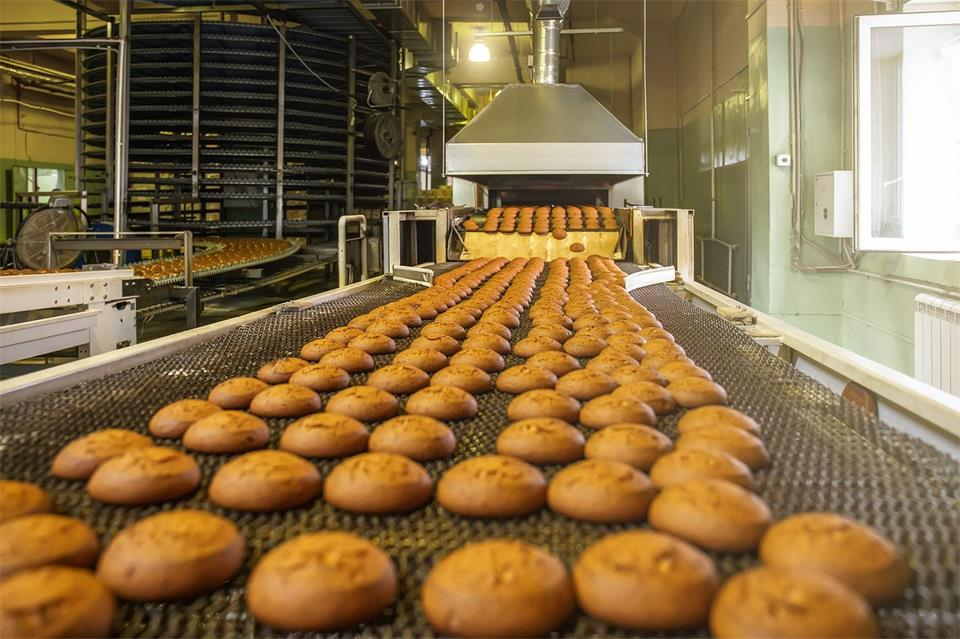
Air quality might not be the first thing that comes to mind when running a food manufacturing facility, but it plays a huge role in keeping your operations safe, hygienic, and efficient. From airborne flour dust to fumes released during cooking and processing, there are plenty of contaminants that can build up throughout the working day. If you don’t manage them properly, they can affect employee health, product quality, and even equipment performance.
Fortunately, you can take several practical steps to create a cleaner, healthier working environment. Making a few improvements now could also help you avoid costly disruptions further down the line.
Invest In Effective Ventilation Systems
Good ventilation is essential in any food production environment, particularly where processes generate dust, steam, fumes, or excess heat. Without sufficient airflow, these contaminants can accumulate, making working conditions uncomfortable or potentially hazardous.
Local exhaust ventilation (LEV) systems can be particularly useful because they capture airborne contaminants close to where they’re produced. Whether your facility handles flour, spices, powders, or cooking fumes, having the right extraction equipment can make a significant difference to overall air quality.
It’s also important to ensure your ventilation system suits the specific processes taking place. Different production activities generate different contaminants, so a system that works well in one part of your facility may not suit another.
Keep Your Extraction Equipment Well Maintained
Installing an effective ventilation system is only half the battle. Over time, extraction equipment can become less efficient due to clogged filters, damaged ductwork, or general wear and tear. If you don’t notice these issues, contaminants may start circulating through your facility instead of being safely removed.
Regular inspections, cleaning, and professional LEV maintenance can help keep your extraction systems working as intended. Scheduling servicing and performance checks also gives you an opportunity to identify potential problems before they become expensive repairs or compromise workplace safety.
It’s worth keeping detailed maintenance records and establishing a servicing schedule rather than waiting until something stops working. Doing so makes it easier to monitor equipment performance, plan repairs, and demonstrate that you’re taking workplace air quality seriously.
Improve Your Cleaning Procedures
Keeping surfaces clean is important for food hygiene, but your cleaning methods can also influence air quality. Sweeping dry ingredients or using compressed air to remove dust can send fine particles back into the atmosphere, creating additional exposure risks.
Instead, consider using suitable industrial vacuum systems or damp cleaning methods where appropriate. Pay particular attention to hard-to-reach areas, machinery, and overhead surfaces where dust can accumulate unnoticed.
You should also review how frequently different areas are cleaned. High-traffic production zones or spaces where powders and dry ingredients are handled may require more frequent attention than other parts of your facility. Having a consistent cleaning schedule helps prevent dust from building up between shifts.
Monitor Humidity And Temperature
Food manufacturing facilities often see significant changes in temperature and humidity, especially during cooking, washing, and packaging. Excessive moisture can encourage condensation and microbial growth, while uncomfortable temperatures can affect staff working conditions.
Monitoring these conditions regularly can help you identify areas that need attention. Suitable ventilation, moisture control, and temperature management can all contribute to a more stable production environment.
Pay particular attention to condensation around ceilings, ventilation outlets, and equipment. Addressing moisture problems early can help protect your production environment and prevent further hygiene concerns.
Review How Ingredients Are Stored And Handled
The way ingredients move through your facility can also affect air quality. Pouring, weighing, mixing, and transferring powdered ingredients can release considerable airborne dust, especially when these activities happen frequently.
Where possible, consider enclosed transfer systems, covered containers, and extraction positioned close to dust-generating processes. Reviewing how employees handle ingredients may reveal simple opportunities to reduce unnecessary dust without disrupting productivity.
Train Your Employees To Recognize Problems
Your employees are often the first to notice when something isn’t quite right. Unusual odors, excessive dust, visible condensation, or poorly performing extraction equipment could all indicate an air quality issue.
Provide staff with clear guidance on identifying and reporting potential problems. Encouraging early reporting lets maintenance teams investigate concerns promptly and helps prevent minor issues from becoming larger operational challenges.
Regular refresher training can also reinforce good cleaning practices, safe ingredient handling, and the importance of keeping ventilation outlets unobstructed.
Make Air Quality A Priority
Improving air quality isn’t simply about installing new equipment. It’s about combining effective ventilation, regular maintenance, thorough cleaning, and good working practices to create a healthier manufacturing environment.
By taking a proactive approach and reviewing your procedures regularly, you can help protect your employees, maintain product quality, and keep your food manufacturing operations running smoothly.

Why Traditional Corporate Dinners Fail Your Team

How Personal Injury Claims Can Help Protect Your Finances

Exploring Specialized Driving Careers with Long-Term Potential

What Can You Do To Improve The Air Quality In Your Food Manufacturing Facility?

How to Experience Bristol Like a True Resident When Here as a Traveler

125 Inspirational Car Quotes and Captions to Celebrate Your New Car

188 Deep Hurt Quotes with Images

148 Romantic Love Quotes for Her from the Heart

164 Relationship Goals Quotes for New Couples Expecting a Long Lasting Relationship

185 Cute Boyfriend Quotes for the Guy You Love
-
 Quotes6 years ago
125 Inspirational Car Quotes and Captions to Celebrate Your New Car
-
Growth6 years ago
188 Deep Hurt Quotes with Images
-
Quotes6 years ago
148 Romantic Love Quotes for Her from the Heart
-
Quotes5 years ago
164 Relationship Goals Quotes for New Couples Expecting a Long Lasting Relationship
-
Quotes6 years ago
185 Cute Boyfriend Quotes for the Guy You Love
-
Quotes6 years ago
141 Best Heart Touching Quotes about Love, Life, and Friendship
-
Quotes5 years ago
134 Time Flies Quotes for the Unforgettable Moments
-
Quotes6 years ago
122 Inspirational Kite Quotes That’ll Make You Wanna Fly Right Now