Travel
The Overlooked Impact of Frequent Flying on Executive Health

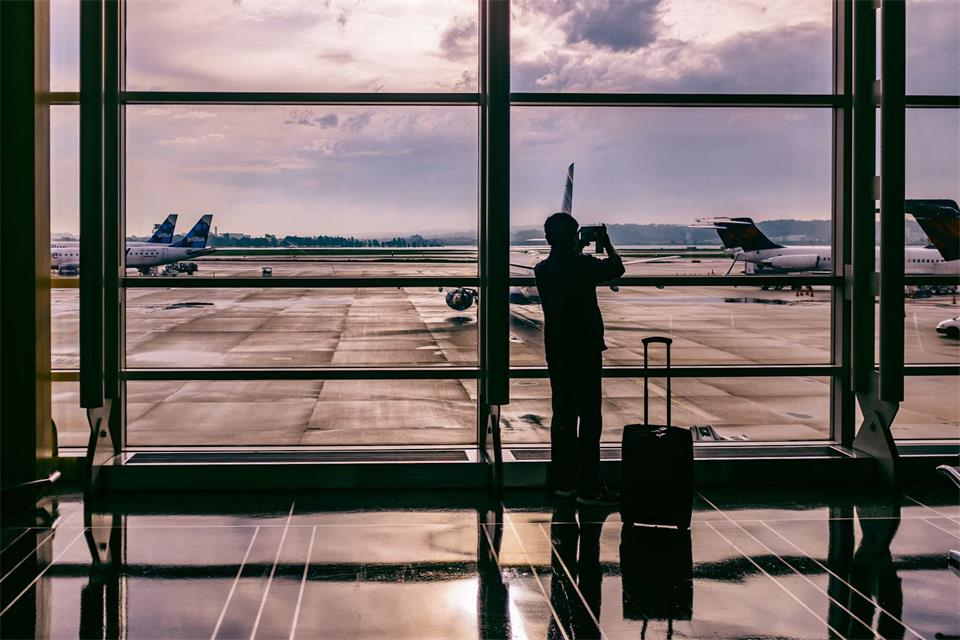
Frequent air travel can affect executive health in ways that remain easy to miss between packed schedules, airport transfers, and late arrivals. Changes in cabin pressure, steady background noise, and disrupted sleep may leave you tired, distracted, or unusually sensitive to sound. These effects often get blamed on workload or jet lag, especially when they fade after a day or two.
For executives who fly several times a month, tracking hearing-related symptoms deserves a place alongside sleep, hydration, and movement. A small change may affect conversations, concentration and decision-making long before it becomes obvious.
Cabin Pressure and Auditory Fatigue
Aircraft cabins are pressurized, but the pressure still changes during ascent and descent. Your Eustachian tubes help equalize pressure across the eardrum, which explains the familiar popping sensation. Congestion, allergies, or a recent respiratory infection can make this process slower and more uncomfortable.
Pressure discomfort should usually ease after landing. Persistent muffled hearing, ringing, pain or dizziness warrants professional attention. Swallowing, yawning, or chewing during descent can support natural pressure equalization. Avoid forceful attempts to clear blocked ears, particularly if pain is sharp. Executives with recurring symptoms should also record the flight date, symptom duration, and whether one or both ears were affected.
The Physical Toll of Ambient Jet Noise
Cabin sound is continuous for hours, even when it fades from conscious attention. Engines, airflow, and passenger activity create an environment that can increase listening effort. Following a colleague’s comments or understanding an announcement requires more concentration than the same task in a quiet office.
That extra effort can contribute to auditory fatigue, headaches, and reduced focus after landing. Other ways air travel can affect the body include low humidity, prolonged sitting, and disrupted routines, so several forms of strain may build up during the same journey.
Give your ears quieter periods during the flight. Keep personal audio at a moderate level and avoid raising it repeatedly to overpower cabin sound. After arrival, a calm hotel room or quiet walk can provide useful recovery time before calls or meetings resume.
Why Executives Need an Annual Hearing Test
An annual hearing test creates a useful baseline that can reveal gradual changes across several years. This matters because people often compensate without realizing it. You might begin choosing quieter restaurant tables, increasing call volume, or asking colleagues to repeat figures while assuming the connection was poor.
Hearing also affects the precision of workplace communication. Misheard names, dates, or financial details can create avoidable follow-up and mental strain. An assessment is especially sensible when tinnitus, sound sensitivity, recurring ear pressure or difficulty understanding speech in busy settings develops.
Schedule the appointment at a consistent point each year and bring notes about recent flights and symptoms. If a sudden hearing change, severe dizziness, or intense ear pain occurs, seek prompt medical care instead of waiting for the next routine assessment.
Practical In-Flight Recovery Habits
Treat recovery as part of the travel schedule. Before boarding, check for congestion and keep water accessible. During the flight, take short movement breaks when it’s safe, rest your eyes, and build quiet intervals into long stretches of work. Paying attention to hydration, sleep and movement during air travel can help reduce some of the physical strain that comes with frequent trips.
Plan demanding conversations for a period when you’re likely to be alert. A sensitive negotiation immediately after an overnight arrival may suffer if fatigue and listening effort are already high. Building routines around avoiding physical burnout during business travel can also help preserve energy across the full trip.
After landing, allow a short buffer before using headphones again. If ear fullness continues, note how long it lasts and avoid adding unnecessary sound exposure.
Frequent flying will always place some strain on the body, but persistent auditory symptoms shouldn’t become an accepted cost of executive travel. A dated symptom log and a regular assessment provide clear evidence when a change needs closer attention.

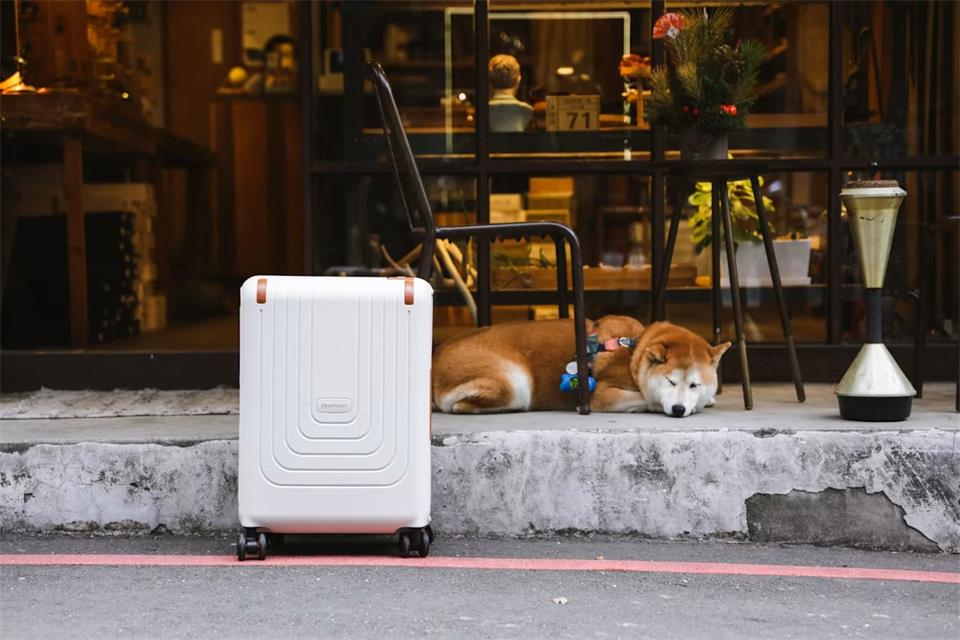
Frequent travel can drain your energy long before you unpack the final suitcase. A standard hotel works well for a night or two, but weeks of eating takeout, working beside the bed and living out of a carry-on can wear down even an enthusiastic traveler. Temporary lodging that feels more like a home can reduce that strain.
The key is choosing a space that supports ordinary routines, not one that makes every day feel like a temporary stop.
The Silent Toll of Monotonous Hotel Rooms
A single-room layout forces sleep, work and downtime into the same small area. After several days, you may answer emails from bed, eat dinner at a desk and watch television from the same chair. That lack of separation can make it harder to focus during the day and switch off at night.
Noise and visual clutter add to the problem. Interest in silent travel destinations reflects a broader desire for calmer trips, but your lodging matters as much as your destination. Look for a quiet sleeping area, useful storage and enough room to put luggage away. A tidy space with defined zones can make a two-week assignment feel far less tiring.
Kitchens and Living Space Change Everything
For stays longer than a few nights, prioritize a kitchen and a separate place to relax. Preparing breakfast before an early meeting saves time, while keeping fruit, yogurt or leftovers on hand reduces dependence on restaurant meals. Even a simple dinner cooked at home can provide a welcome break from reservations, delivery apps and expense receipts.
Apartment-style lodging can also give couples, families and business travelers more room to maintain normal habits. Someone planning a longer urban stay might compare options such as the ROOST Hotel at Philadelphia, which combines apartment-style accommodations with boutique hotel perks. Before booking, confirm what the kitchen includes, where you can eat and whether the living area is genuinely separate from the bed. Photos and floor plans often reveal more than room-size figures alone.
Restoring Routine in an Unfamiliar City
Keep two or three parts of your home schedule consistent. You might drink coffee at the same time each morning, take a short walk after work and read before bed. These familiar cues give the day structure when everything outside your door is new.
The practical side matters too. Unpack clothes, choose a nearby grocery store and identify a reliable route to your main destination within the first day. Guidance on travel self-care also recommends basics such as sleep, movement and time to recharge. Put those needs on your calendar before optional outings fill every evening. If you have five nights in a city, leaving one night completely open can prevent sightseeing from becoming another obligation.
Practical Rules for High-Frequency Travelers
Create a short lodging checklist and use it for every trip. Consistent criteria make it easier to compare properties without getting distracted by decorative photos or minor perks.
- For stays of seven nights or more, look for cooking facilities, laundry access and a real dining surface.
- Check the map for groceries, public transportation and your daily destination.
- Read recent guest reviews for comments about nighttime noise, Wi-Fi and workspace comfort.
- Ask about housekeeping schedules, package delivery and late arrival procedures.
- Book enough space for your actual routine, especially if you’ll work remotely or share the accommodation.
Once you arrive, unpack within the first few hours and assign a place for keys, chargers and receipts. That small setup prevents daily friction. At the end of the trip, note which features you used and which ones sounded useful but went untouched. After several stays, you’ll have a personal lodging standard built around how you really travel. That standard can turn your next temporary address into a place where you recover properly between busy days.
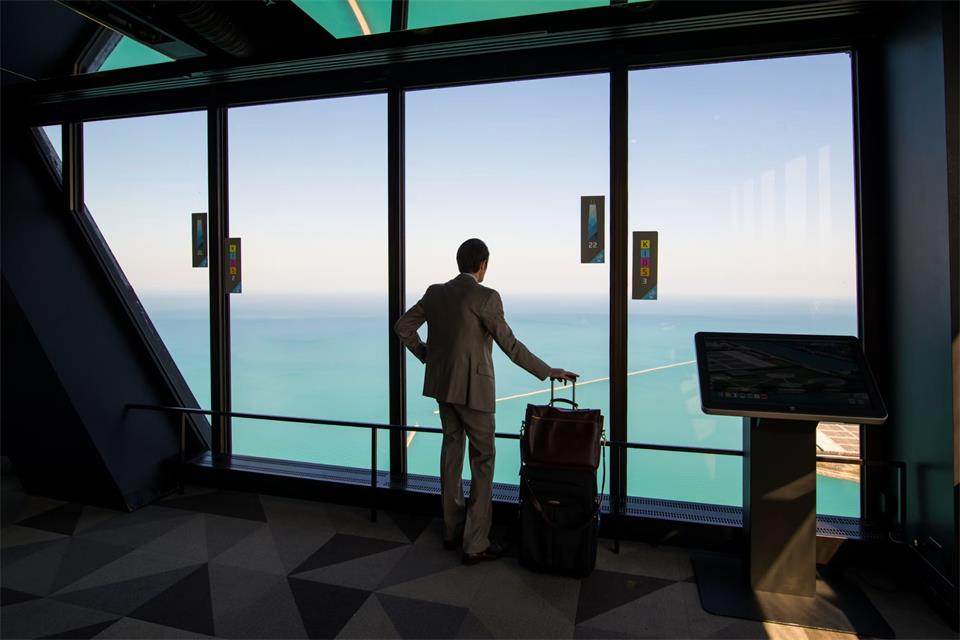
Corporate travel is stretching beyond the meeting room as executives add personal time to carefully planned work trips. This style of bleisure travel gives busy professionals space to recover, experience a destination, and return home in better shape for the next assignment. At the high end of the market, the appeal comes from control: quiet surroundings, dependable service, and enough flexibility to switch from focused work to genuine time off without changing locations.
Redefining the Modern Corporate Trip
A modern executive trip may include two days of meetings followed by a long weekend in the same destination. The traveler completes the business agenda, then a partner or family member arrives for the personal portion. According to an overview of the rise of bleisure travel, flexible work patterns have helped make these blended trips more common.
Clear boundaries keep the arrangement practical. Companies can cover flights and approved business nights while the traveler pays for leisure nights, companion expenses, and personal activities. Before booking, check the employer’s travel policy and record where the business portion ends. That simple timeline helps prevent confusion over expenses.
Combining Business with Deep Rest
High-end bleisure works best when the destination supports real recovery after demanding work. A packed sightseeing schedule can leave you as tired as back-to-back meetings, so allow at least one unscheduled half-day. Sleep, a quiet meal, and time outdoors often deliver more value than racing through a long attraction list. For more ways to avoid physical exhaustion while travelling for work, explore https://reneturrek.com/business-travel-without-the-physical-burnout/ before planning your next business trip.
Location matters too. Some travellers prefer a beachfront resort, while others might choose a quiet mountain retreat, a private villa near the coast, or a hotel within walking distance of restaurants and cultural attractions. For those considering a beach escape in Southeast Asia, Koh Samui is one option worth exploring, particularly for travellers interested in luxury resorts with Gulf of Thailand views. If that sounds appealing, take a look at https://samui.intercontinental.com/ when comparing beachfront accommodation. Before committing, compare the meeting schedule with transfer times and check-in hours.
Premium Amenities That Enable Focus
Luxury becomes useful on a corporate trip when it removes friction. Fast internet, a proper desk, reliable room service, and quiet areas make it easier to prepare a presentation or handle a private video call. Flexible dining hours also help when colleagues work across several time zones.
Ask specific questions before booking. Confirm internet speeds in the room, find out whether there’s a backup connection, and check where you can take calls without background noise. If you need six focused hours before an evening event, request early check-in or reserve the previous night. Travelers sharing a suite or villa should also look for separate living and sleeping areas, which let one person work while another relaxes.
Transitioning Smoothly to Leisure
Create a firm transition point between the two parts of the trip. Close the laptop after the final scheduled task, switch off work notifications, and change the physical setting. A swim, spa appointment, or leisurely lunch can signal that the business portion has ended.
Practical details deserve attention as well. The flight, insurance coverage, and immigration requirements must account for the full stay, not only the company-funded dates. Advice on bleisure travel planning also highlights the value of building work and personal time into one organized itinerary. Keep separate digital folders for company receipts and private purchases, then settle the business expense report before leisure days begin if your schedule allows.
Measuring the Long-Term Return
The return from executive bleisure travel includes financial and personal measures. On the company side, track whether an extended stay changes airfare, hotel costs, or employee availability. A Sunday flight might cost less than a Friday departure, though extra personal nights should remain clearly separated from reimbursable expenses.
Travelers can assess sleep quality, stress, and readiness to work during the week after returning. A simple score from one to five provides a useful comparison across trips. If two added days lead to better rest and no missed obligations, the format may deserve a place in future travel plans. The strongest arrangement leaves every party clear about costs, dates, and availability before the ticket is booked.
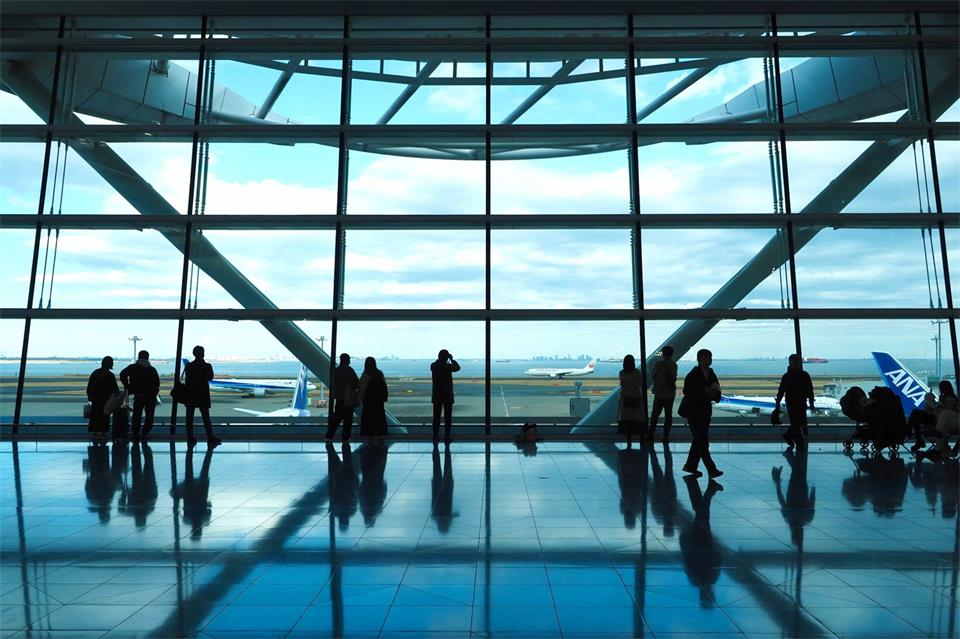
Business travel can strain your body long before a packed schedule starts affecting your work. Early departures, disrupted meals and unfamiliar beds often leave travelers tired, unfocused and more vulnerable to stress. A useful travel routine protects your energy before departure and continues through the first day back home. That routine should cover sleep timing, hydration, nutrition, and workload, with enough flexibility to work across different destinations.
The Real Toll of Constant Flights
Frequent travel disrupts the habits that usually keep energy and concentration steady. Airport delays extend the workday, cabin conditions can contribute to dehydration, and late arrivals often shorten sleep. Over time, traveler fatigue may show up as slower decisions, irritability, digestive trouble, or reduced motivation.
Companies should treat these effects as a performance issue, not a personal weakness. Practical guidance on traveler burnout recommends considering trip frequency, recovery time, and employee workload together. This also connects with the wider relationship between employee well-being and productivity. Scheduling a recovery block after an overnight flight can protect the quality of an important meeting more effectively than adding another hour of preparation.
Sustain Energy Across Time Zones
Start adjusting your sleep schedule two or three days before a major time-zone change. Moving bedtime by 30 to 60 minutes each night can reduce the shock when you arrive. Once at your destination, seek daylight during local morning hours, eat according to local time, and avoid a long afternoon nap that could delay sleep.
Keep hydration simple by carrying an empty reusable bottle through security and filling it before boarding. If you use nutritional products as part of your normal wellness plan, pack them in original containers and confirm any destination rules in advance. Travelers comparing scientifically formulated food supplements can review sources for high-quality pharmaceutical products and discuss suitability with a qualified health professional, especially when taking medication or managing a health condition.
Prioritize Proven Nutritional Support
Food should form the base of your travel nutrition plan. Aim for meals that combine protein, fiber, and a steady source of carbohydrates, such as eggs with whole-grain toast or grilled chicken with vegetables and rice. Pack shelf-stable options like unsalted nuts, oatmeal packets, or low-sugar protein bars for days when meetings replace a proper lunch.
Supplements may help address a specific need, but labels and evidence matter. Check the ingredient amount per serving, suggested use, allergen information, and storage instructions. Avoid starting several new products during a trip because you won’t know which one caused a reaction. If jet lag, digestive symptoms, or persistent fatigue regularly interfere with travel, speak with a clinician before departure instead of trying to solve the problem at the airport.
Build a Resilient Travel Protocol
Create a repeatable protocol that begins 48 hours before departure. Confirm transport, check the hotel’s fitness and dining options, and place essential health items in your carry-on. During the trip, protect one consistent sleep window and add brief movement between long periods of sitting. A 10-minute walk after lunch can support alertness without creating another demanding task.
Useful business travel wellness tips also cover packing, stress management, and healthy routines on the road. After returning, keep the following morning free of nonessential meetings when possible. Record what affected your energy, including flight timing, meal gaps, and sleep quality. Those notes turn each trip into practical data for planning the next one.
A resilient schedule should also include permission to scale back. If a delayed arrival leaves you with four hours of sleep, replace an early workout with light stretching and move complex work to later in the day. Protecting one full night of recovery after the trip can prevent travel fatigue from spilling into the rest of the week.

Industrial Efficiency: Streamlining Operations with High Point Pneumatics

Smart Ways Small Brands Cut Rising Inventory Costs

The Overlooked Impact of Frequent Flying on Executive Health

Beat Travel Burnout by Rethinking Temporary Lodging

The Rise of High-End Executive Bleisure Travel

125 Inspirational Car Quotes and Captions to Celebrate Your New Car

188 Deep Hurt Quotes with Images

148 Romantic Love Quotes for Her from the Heart

164 Relationship Goals Quotes for New Couples Expecting a Long Lasting Relationship

185 Cute Boyfriend Quotes for the Guy You Love
-
 Quotes6 years ago
125 Inspirational Car Quotes and Captions to Celebrate Your New Car
-
Growth6 years ago
188 Deep Hurt Quotes with Images
-
Quotes6 years ago
148 Romantic Love Quotes for Her from the Heart
-
Quotes5 years ago
164 Relationship Goals Quotes for New Couples Expecting a Long Lasting Relationship
-
Quotes6 years ago
185 Cute Boyfriend Quotes for the Guy You Love
-
Quotes6 years ago
141 Best Heart Touching Quotes about Love, Life, and Friendship
-
Quotes5 years ago
134 Time Flies Quotes for the Unforgettable Moments
-
Quotes5 years ago
122 Inspirational Kite Quotes That’ll Make You Wanna Fly Right Now