Industry
How Modern Warehouses Manage Severe Heat Stress

Severe indoor heat can slow warehouse operations, increase errors and put employees at risk of heat-related illness. Large doors, high ceilings, equipment loads and constant movement make temperature control especially difficult during hot weather.
A practical heat management plan must combine cooling equipment, measured airflow and clear work procedures instead of relying on a thermostat alone. Implementing these engineering controls alongside official extreme heat safety tips helps prevent dangerous core body temperature spikes in high-risk industrial environments.
The Real Impact of High Indoor Heat
Warehouse heat affects far more than comfort. As the body works to control its temperature, employees may experience fatigue, headaches, dizziness and reduced concentration. Those effects can make routine tasks such as scanning inventory, picking orders or operating material-handling equipment more difficult.
Humidity, workload, clothing and air movement all affect the level of risk. A temperature that feels manageable near an open loading door may become dangerous in a mezzanine, trailer or tightly packed storage aisle. Radiant heat from the roof and warm air rising through the building can also create much hotter conditions above ground level.
Supervisors should watch for changes in work quality and physical symptoms. An employee who becomes unusually confused, unsteady or irritable may need immediate attention.
Heat can also affect productivity, increase errors and damage temperature-sensitive inventory. Investing in commercial facility upgrades can help warehouses maintain safer working conditions and protect valuable equipment. Tracking indoor temperatures, downtime and employee reports can help managers identify problem areas and prioritise improvements.
Limitations of Standard HVAC Systems
Conventional air conditioning can work well in enclosed offices, break rooms and other insulated spaces. A warehouse presents a different challenge. High ceilings create a large volume of air to condition, while loading bays repeatedly introduce outdoor heat. Gaps around dock equipment and frequent vehicle movement add to the cooling load.
Air conditioning can also produce uneven results. Supply vents may cool the upper part of an open area without delivering enough air to employees at floor level. Racking, stored products and temporary partitions can block circulation. In a facility with several work zones, one thermostat may provide little information about the conditions employees actually experience.
Maintenance and operating costs also matter. Filters, ducts, compressors and controls all require attention, especially when dust or debris is common. Running a central system harder during a heat wave may raise electricity use without fixing isolated hot spots.
Facilities teams should map the building before expanding an existing system. Note ceiling height, door schedules, heat-producing machinery and the number of people assigned to each zone. Qualified professionals can perform smoke testing, or you can use temporary airflow sensors, to reveal stagnant areas. This assessment may show that enclosed rooms need mechanical air conditioning while open bays need targeted air movement and supplemental cooling. Matching the method to each zone often produces better results than treating the entire building as a single space.

Deploying Evaporative Coolers in Open Bays
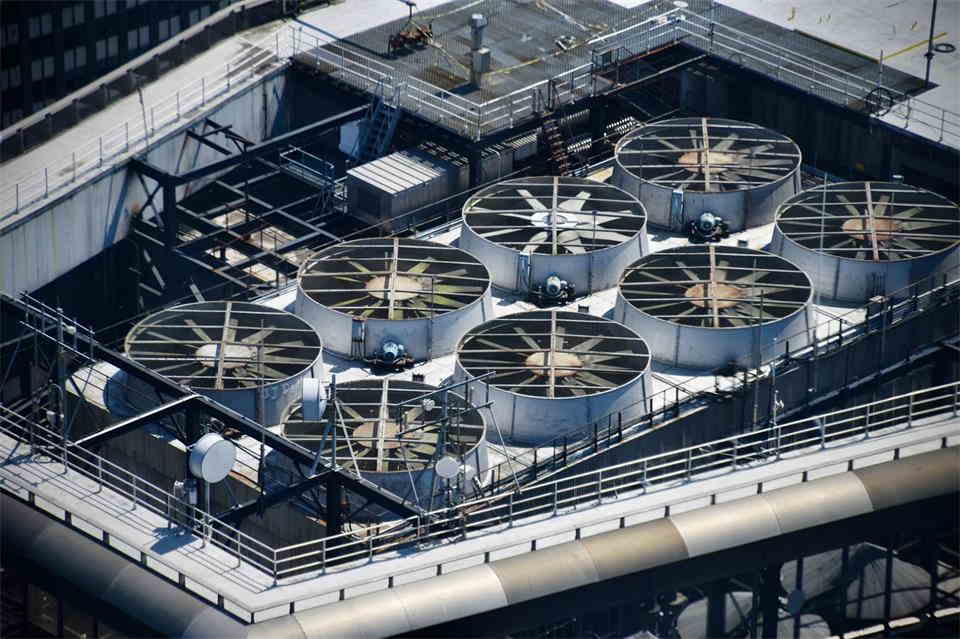
Evaporative cooling can be a practical option for large, open work areas in dry climates. These units draw warm air through water-saturated media, which lowers the air temperature as water evaporates. They also support continuous air exchange, making them well suited to spaces where doors remain open for much of the day.
When evaluating evaporative coolers, managers should compare airflow capacity, water supply requirements, mobility and control settings with the size and daily use of each zone. Portable units may serve changing workstations, while larger commercial models can support packing lines or loading areas that stay active throughout a shift.
Placement strongly affects performance. Position the unit where it can draw in fresh air, then provide an exit path for warm and humid air on the opposite side of the space. Avoid aiming airflow directly into a wall, tall rack or stack of cartons. A clear path allows cooled air to move through the occupied zone.
Evaporative units add moisture, so they’re less effective when outdoor humidity is already high. Managers must also review product storage requirements before installation because some paper goods, foods or sensitive materials require controlled humidity. Water quality and maintenance matter too. Pads, pumps and reservoirs need regular inspection to prevent mineral buildup and loss of cooling capacity.
Test any proposed layout during actual operating hours. Measure conditions at employee height near workstations, not only beside the unit. A short trial can reveal whether the equipment reaches the intended area and whether additional exhaust openings or repositioning will improve coverage.
Real-Time Airflow Monitoring
A temperature reading from the office wall doesn’t describe conditions across a warehouse. Facilities need data from the places where employees spend their time, including loading docks, upper storage levels, packing stations and enclosed corners. Real-time sensors provide a clearer view of how heat changes during the day.
A basic monitoring network can track temperature and relative humidity at several fixed points. More advanced systems may also measure air speed and calculate heat index values. Place sensors at representative working heights and keep them away from direct sunlight, cooling outlets and other conditions that could distort readings.
Use the collected data to establish action thresholds. For example, a dashboard alert might prompt a supervisor to check water stations, move portable cooling equipment or increase recovery breaks. The exact response should reflect workload, humidity and employee acclimatization. A worker returning after an extended absence may need more gradual exposure than someone who has worked in warm conditions for several weeks.
Monitoring also helps facilities teams evaluate equipment changes. If a fan is relocated or a cooler is installed, compare readings from similar weather days before and after the change. Look for reductions in peak temperature as well as improvements in airflow across occupied zones.
Current heat readiness strategies also highlight building-level measures such as roof maintenance, ventilation checks and advance planning. Pairing sensor data with these inspections can expose patterns, such as a south-facing loading area that overheats every afternoon or a roof section that transfers excessive heat after midday.
Establishing Safe Operational Protocols
Cooling equipment works best within a written heat safety program. Employees need to know how to recognize symptoms, where to find drinking water and whom to contact when a coworker appears unwell. Train before peak heat arrives, with short refreshers during extended hot periods.
Set practical rules that supervisors can apply consistently:
- Provide cool drinking water close to active work areas and allow employees to drink regularly.
- Schedule physically demanding tasks for cooler parts of the shift when operations permit.
- Use shaded or air-conditioned recovery areas for scheduled breaks.
- Introduce new and returning employees to hot work gradually.
- Create a clear response plan for cramps, dizziness, confusion or loss of coordination.
- Confirm that no employee showing serious symptoms is left alone.
Workstation design can reduce physical strain during hot conditions. Adjustable tables, lift assistance and frequently used supplies placed within easy reach limit unnecessary exertion.
Managers should also define who has authority to slow production, rotate teams or temporarily close a hot zone. Employees are more likely to report early symptoms when they know the procedure won’t be treated as a performance failure. Document incidents and near misses, then review them with temperature and airflow records to find recurring trouble spots.
Before each hot season, run a brief drill that covers symptom reporting, supervisor response and access to the recovery area. The most useful test is concrete: confirm that a worker in the hottest measured zone can reach water, assistance and a cooler space within minutes.