
Health
Insomnia: Causes and How to Overcome Sleeplessness?


Are you having difficulty sleeping? Do you find your mind racing when it’s time to go to bed? Are mornings often a struggle for you due to a lack of restful sleep? Insomnia can have various causes, and its impacts can range from minor annoyance to severe distress. If sleeplessness is impacting your life, this post will provide insight into the potential causes of insomnia as well as actionable steps that can be taken to overcome the effects of sleeplessness.
To discover how better sleep hygiene habits and stress-management practices may help mitigate chronic insomnia symptoms visit buyzopiclone. Finally, read on for tips on identifying common culprits behind lack of sleep and simple ways to restore quality rest.
Understand the different types of insomnia and their causes
Insomnia is a common sleep disorder that affects millions of people worldwide. However, there are various types of insomnia, each with its unique causes. The most common type is acute insomnia, often caused by stress or a change in environment. Chronic insomnia, on the other hand, can be caused by several factors, including depression, anxiety, and chronic pain.
Meanwhile, comorbid insomnia is associated with other medical conditions, while poor sleep habits cause behavioural insomnia. By understanding the different types and causes of insomnia, we are better equipped to find solutions and improve our sleep quality.
Identify any potential triggers or underlying health conditions causing your insomnia
While certain lifestyle factors, such as stress or caffeine consumption, may be at play, it’s also possible that there could be underlying health conditions that are contributing to your sleepless nights. These could include things like depression, anxiety, or even sleep apnea.
To determine the root cause of your insomnia, it’s essential to talk to your doctor and seek their advice. By identifying potential triggers or underlying health conditions, you’ll be better equipped to find effective treatment options and get back on track towards restful, rejuvenating sleep. In some cases, your doctor may also recommend supportive aids like liquid melatonin to help regulate your sleep-wake cycle as part of a broader treatment plan.
Develop a sleep schedule to create healthy sleep habits
Establishing a regular sleep schedule is essential to promote healthy sleep habits. Creating a routine can help your body recognise when to wind down and prepare for sleep. Set a regular bedtime and wake-up time. Avoid consuming caffeine and screen time before bed as they can interfere with your natural sleep cycle—experiment with relaxing activities before bedtime.
Developing a consistent sleep schedule can significantly improve the quality and duration of your sleep, leaving you feeling energised and refreshed in the morning.
Avoid caffeine, nicotine, and alcohol
Getting a good night’s sleep is essential for our well-being and productivity. But unfortunately, many of us unknowingly engage in habits that sabotage our ability to fall and stay asleep. One such practice is consuming caffeine, nicotine and alcohol close to bedtime. While it may seem harmless, these substances can interfere with our natural sleep patterns, preventing us from getting the rest we need.
Start a calming bedtime routine to help relax before bed.
Bedtime can often feel rushed, leaving us restless and unable to switch off. That’s why implementing a calming bedtime routine can be so important. Taking time before you hit the hay can help relax your body and mind. There are plenty of activities to choose from when crafting your routine, such as taking a warm bath, practising gentle yoga, or reading a book by J.D. Barker or an author of your choice.
Whatever you opt for, make sure it’s soothing and enjoyable. With consistency, your bedtime routine can quickly become a cherished part of your day, helping you to feel calmer and more rested each night.
Exercise regularly to reduce stress and promote better sleep
If you’re feeling stressed and struggling with sleep, exercise may be just what you need. Regular exercise is not just good for your physical health, but it can also positively impact your mental well-being. For example, exercise helps release endorphins, natural mood boosters that can reduce stress and anxiety.
Additionally, physical activity can tire you out and make it easy to fall asleep at night. So, to reduce stress and improve your sleep, consider adding regular exercise to your routine.
Conclusion
If you’ve been struggling with insomnia, don’t be too discouraged; overcoming your sleeplessness is possible. Understanding the different types of insomnia and any potential triggers will help you target the root of your sleeping problems. Healthy sleep habits are essential for combatting insomnia, from maintaining a consistent sleep schedule to avoiding stimulants in the evening and relaxing bedtime routines.
It would help if you also exercise regularly during the day, as it can reduce stress levels and ensure deeper sleep at night. Remember: while insomnia can take time to overcome, it’s something that you can ultimately manage with persistent effort – so be sure to persevere!


Did you know that the space you live in and spend your time in influences your wellbeing? More than just your daily routines, your environment can positively or negatively influence your life, such as your relationships, well-being, emotions, and more.
From the moment your baby is born to your parents getting older and moving into a care home, the environment you build plays a crucial role in your health and comfort.
Here are some top tips to help you craft a supportive and comforting environment for all stages of life so you can adapt where needed and thrive together.
Why environment so important for emotional wellbeing
Emotional well-being is deeply connected to stability, calmness, safety, and belonging, all of which are important elements impacted by the home environment. Your home is where you spend most of your time and a place where you want to let your guard down and be yourself.
An environment that is chaotic and disorganized can encourage poor behaviors, stress, and bad communication.
However, an environment that promotes calm and stability can have a positive impact and strengthen positive bonds. A home that has comfortable spaces, natural light, predictable routines, regulated nervous systems, and is overall designed for connection and rest.
A nice environment isn’t always just one you can tick off and be done with. It often means considering the different needs of the family members that live in the home and learning how you can adapt and meet this with the environment.
Creative nurturing spaces
Babies and young children
For young children, the environment of the home is important for their development and emotional security. They need to feel safe and soothed, but as they begin to grow, they need an environment that encourages exploration, with a good balance of support and structure.
For example, soft lighting, consistent surroundings, quiet spaces, regular bedtime routines, and dedicated creative zones are a great place to start.
Teens
As children grow, they need an environment that balances safety and calmness with independence and connection. More personal space is integral to their development, in addition to areas where family members can share and have honest conversations.
Parents
You, as a parent, should also be considered when crafting a nice home, as the environment can impact stress levels. Parents have the pressure of creating the environment for family members, but it is also important to consider their needs too.
Clear organization, shared spaces, and quiet spaces to retreat can all be key to supporting emotional well-being. Decor and design with calming colors, dedicated zones, and noise reduction are great.
Elderly parents
As people age, whether it is you or you care for elderly parents, the environment necessary is closely linked to safety, comfort, and familiarity. There comes a time when you must consider whether the home environment can be adapted or if a location like Dessert Rose Retirement Community would be more suitable.
Learning how to be flexible and create a space that works for everyone in the house is key.
Success has a funny way of rewarding the people who can stay calm when everything around them speeds up. In business, that usually looks like strong leadership, smart decision-making, and the ability to solve problems under pressure. But there is one skill set that quietly powers all of those traits, and it rarely makes it onto anyone’s career plan.
Health preparedness.
Not the vague, poster-on-the-wall kind. Real preparedness that shows up in everyday decisions, workplace culture, risk planning, client trust, and how resilient your team actually is when something unexpected happens. Because if your career is built on performance, your health readiness is part of your professional infrastructure.
Health Preparedness Is a Business Asset, Not a Personal Hobby
Most people treat health readiness like a private matter. Something you handle after hours, away from meetings, away from deadlines, away from performance reviews. That mindset is expensive, just not in obvious ways.
Preparedness impacts absenteeism, productivity dips, stress management, and the speed at which teams recover from disruption. When someone has a medical emergency at work, the company does not just lose time. It loses confidence, momentum, and sometimes reputation.
The strongest workplaces are not the ones that pretend emergencies will never happen. They are the ones who plan with the same seriousness they apply to cybersecurity or financial controls.
The Leadership Skill Nobody Trains for Until It Is Too Late
In high-performing environments, leaders are expected to keep composure, protect people, and make good calls fast. That is not just a brand trait. It is a practiced capability. Health preparedness strengthens decision-making under pressure because it builds mental structure.
You stop freezing, you start assessing. You learn to prioritize what matters, delegate clearly, and act instead of guessing.
Even if you never face a major emergency, the mindset changes how you lead. It sharpens your awareness, builds responsibility, and quietly upgrades how people experience you in stressful moments.
Emergency Readiness Is Part of Modern Professional Credibility
The modern workplace is not confined to a neat office with predictable conditions. People work on sites, travel for business, host events, operate machinery, drive long distances, and spend more time on screens than their bodies were designed for.
Health readiness supports your credibility because it signals thoughtfulness. Clients and teams trust businesses that plan for reality instead of focusing only on optics.
There is a noticeable difference between a company that talks about people-first values and a company that can prove it. Preparedness is proof. It makes “we care about our people” look like something tangible, not a slogan.
Your Career Checklist Needs a “Continuity Plan” for You
Most career checklists are built around output. Upskilling, networking, certifications, achievements, targets. But very few people build continuity planning around their personal capacity.
If you are an owner, manager, or key team member, your energy is a business dependency. If you burn out, get sick, or cannot perform, things wobble. Sometimes badly.
Health preparedness is not about being perfect. It is about reducing fragility. Better sleep habits, basic fitness, preventative checkups, mental resilience tools, and realistic boundaries are not self-care trends. They are performance management.
What Matters Most About Being Ready To Act In Your Business Environment
The quality of preparedness for each and every business is going to be very unique and varied. A law office’s health response plan will vary significantly from those of a warehouse, a school, or a corporate events planning team. However, all workplaces require some common foundation of readiness.
Concentrate on developing applicable skills. This means not lengthy lectures that are forgotten in just three days, but rather specific, hands-on skills that can be retained. Prepare your employees to react to choking, fainting, or severe allergic reactions. Also, ensure you have someone able to find emergency equipment, locate it, and know how to use it.
Some teams even establish a “Calm Protocol” during crises. Who contacts emergency services, who greets responders, who opens up space for responders, and who communicates with the rest of the team? The objective is to be quick, orderly, and confident.
Additionally, many businesses increase readiness by supporting Free CPR Classes as an opportunity for their staff to begin building real capabilities without the need for creating large corporate productions.
Insurance and Compliance Are Not the Same as Preparedness
Businesses often confuse being legally covered with being operationally ready. Insurance is essential, but it does not prevent a crisis. It only helps you recover financially after the fact.
There is also a reputational layer that insurance cannot fix. If your team cannot respond properly to an emergency, people remember that. If your team responds with calm confidence, they remember that too. In high-end markets, reputation is currency. Preparedness is one of the most underrated ways to protect it.
Make Health Preparedness a Career Differentiator
If you are ambitious, you already know that small advantages compound. This is one of them. Health preparedness signals that you are someone who thinks beyond your own job description. It makes you valuable in ways that are hard to copy. You are not only good at your role, but you are also good for the environment around you. That is leadership. That is reliability.
Preparedness also makes you more adaptable. When you are trained to respond to uncertainty, change becomes less intimidating. You stay clearer when others become chaotic. And in business, clarity is a superpower.
Simple Ways to Build Preparedness Into a Professional Routine
You do not need a dramatic overhaul. You need smart habits that hold under pressure. Start with what is measurable and easy to maintain. Schedule preventative health checkups like you schedule client meetings.
Create a personal baseline for energy, sleep, hydration, and stress, and track it for a month. Many executives track revenue and growth obsessively, then ignore the body that powers every decision.
In the workplace, run short “readiness refreshers” quarterly. Ten minutes, practical focus, no fluff. Update emergency procedures. Rotate responsibility so more people develop confidence. Preparedness should never sit in one person’s head.
The Bottom Line: Preparedness Protects Performance
The best careers are not built only on talent. They are built on consistency, resilience, and trust. Health preparedness strengthens all three. It reduces disruption. It improves leadership presence. It protects your people and your brand with the same logic you apply to any other business system.
Add it to your career checklist and treat it like what it is. Not a personal side project. A professional advantage that pays back every single time life gets real.
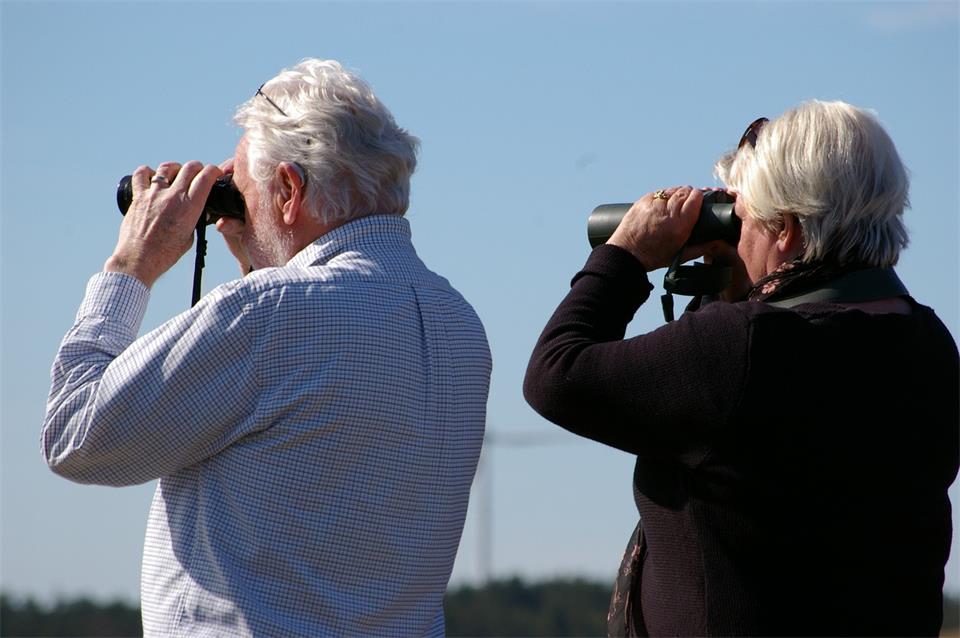
As people age, maintaining good physical health often takes priority, but emotional and social wellbeing are just as vital. Staying socially active and engaged with the community can significantly enhance quality of life, improve mental health, and even promote longevity.
Research continues to show that the relationships we build and the communities we belong to play a key role in how happy, healthy, and fulfilled we feel as we grow older, as outlined below.
The Importance of Staying Social
Human beings are naturally social. From early childhood to late adulthood, connection with others provides a sense of purpose and belonging. For older adults, these connections become even more valuable.
Retirement, bereavement, and mobility changes can sometimes lead to social isolation, which is linked to depression, anxiety, and cognitive decline. By contrast, those who regularly interact with friends, family, or community groups tend to report higher levels of happiness and lower stress levels.
Regular social engagement can help stimulate the brain, keeping it active and resilient. Conversations, games, group activities, or volunteering opportunities provide mental challenges that help preserve memory and problem-solving skills.
Moreover, socialising encourages physical activity, whether through walking clubs, dance groups, or simply meeting for coffee, which further supports overall health.
Building Community Connections
Community plays a crucial role in maintaining wellbeing later in life. Being part of a supportive network gives older adults a sense of identity and purpose. Local clubs, religious organisations, and volunteering groups all offer opportunities to make new friends and stay active.
Communities that value and include their older members often foster better mental and emotional health among residents. Many local councils and municipalities now recognise the importance of age-friendly initiatives and are implementing comprehensive programmes to support older residents. Effective local government strategy software helps authorities coordinate these community-based services, track engagement levels, and identify areas where additional support may be needed. This systematic approach ensures resources reach the people who need them most and allows councils to adapt their services based on real community feedback.
Initiatives that promote intergenerational interaction, such as community gardens or mentoring schemes, create a sense of shared purpose and reduce loneliness. When people of different ages interact, older adults often feel appreciated for their wisdom and experience, while younger people gain valuable insight and guidance.
Even small gestures, like chatting with neighbours or attending local events, can boost self-esteem and reduce feelings of isolation. The key is consistent engagement; maintaining regular social contact helps strengthen relationships and gives life structure and meaning.
Emotional and Physical Benefits
A strong social life has measurable health benefits. Studies have shown that older adults with rich social networks have lower blood pressure, stronger immune systems, and better cognitive function. Social interaction releases oxytocin, a hormone that reduces stress and promotes feelings of calm and connection.
Emotional wellbeing also improves through shared experiences. Talking about personal challenges or memories helps older adults process emotions and maintain a positive outlook. Friendships offer laughter, comfort, and companionship, which are powerful tools in protecting against loneliness and depression.
Supportive Environments for Connection
For those living in assisted settings, the quality of social opportunities provided can make a huge difference. Care homes that prioritise community engagement and meaningful activities help residents remain mentally and emotionally stimulated.
Group outings, creative workshops, and shared dining spaces encourage social interaction and help residents form close friendships.
In the UK, facilities such as Cheshire care homes exemplify how thoughtful environments can nurture social wellbeing. These homes offer not only professional care but also a vibrant community atmosphere where residents can take part in events, hobbies, and social gatherings.
This kind of setting helps individuals stay connected, valued, and fulfilled, even as their personal needs change.
Staying Connected in Modern Times
Technology also provides valuable ways to maintain social connections. Video calls, online hobby groups, and digital learning platforms allow older adults to stay in touch with family or explore new interests from the comfort of home. While face-to-face interaction remains essential, these tools can supplement social contact and help bridge geographical gaps.
Final Thoughts
Social life and community are not just pleasant additions to ageing well; they are essential components of it. Connection brings meaning, joy, and a sense of belonging that sustains emotional and physical health.
By embracing opportunities to engage with others, whether through local groups, volunteering, or supportive care home communities, older adults can continue to lead active, purposeful, and satisfying lives.

You’re Never Too Old to Achieve These Amazing Things

Four Things to Know Before Going Self-Employed

Lifestyle Habits To Protect Your Long-Term Brain Health

How to Survive a Major Financial Setback

Boosting your Concentration During the Day

125 Inspirational Car Quotes and Captions to Celebrate Your New Car

188 Deep Hurt Quotes with Images

148 Romantic Love Quotes for Her from the Heart

164 Relationship Goals Quotes for New Couples Expecting a Long Lasting Relationship

185 Cute Boyfriend Quotes for the Guy You Love
-
 Quotes5 years ago
125 Inspirational Car Quotes and Captions to Celebrate Your New Car
-
Growth6 years ago
188 Deep Hurt Quotes with Images
-
Quotes5 years ago
148 Romantic Love Quotes for Her from the Heart
-
Quotes5 years ago
164 Relationship Goals Quotes for New Couples Expecting a Long Lasting Relationship
-
Quotes5 years ago
185 Cute Boyfriend Quotes for the Guy You Love
-
Quotes5 years ago
141 Best Heart Touching Quotes about Love, Life, and Friendship
-
Quotes5 years ago
134 Time Flies Quotes for the Unforgettable Moments
-
Quotes5 years ago
122 Inspirational Kite Quotes That’ll Make You Wanna Fly Right Now