
Business
Bottles, Labels, and Magic Machines: How Wine Gets Ready for the World


Wine doesn’t just appear on shelves in glass bottles with perfect labels. Before it gets there, it goes through a lot of behind-the-scenes action. Some of it’s messy, some of it’s high-tech, and all of it is way more important than most people think.
Winemaking doesn’t end when the grapes are crushed and the juice has aged in barrels. There’s a whole second half to the story—and this part is where wine actually gets ready to go out into the world.
Let’s break it down in a way that’s easy to understand, without skipping the cool parts.
The Last Step Isn’t Just a Quick Pour
Once wine has finished fermenting and aging, it doesn’t just get poured into bottles by hand. Sure, that might happen for a few small batches at home, but for real wineries? That would take forever. Instead, wineries use machines—some simple, some really advanced—that clean, fill, seal, and label each bottle.
These machines don’t just make things faster. They make sure every bottle gets the exact same amount of wine, stays clean, and doesn’t spoil later.
This whole system is called bottling and packaging, and it’s kind of like the final exam for a wine. If anything goes wrong here, all the hard work that went into making it can go to waste.
For wineries that want to keep things running smoothly, using dependable wine bottling equipment is a game-changer. It’s not just about speed—it’s about getting it right every time.
Why Bottling Matters More Than You’d Think
Some people assume wine is safe as long as it tastes good before it’s bottled. That’s not true at all. Wine is kind of sensitive. Once it’s exposed to air, dirt, or the wrong kind of seal, it can go bad. Even simple things, like the water used for rinsing bottles, has an impact. You’ll often find the best fiberglass pump houses at wineries because of how influential things like having a steady water flow can impact the final product. The bottom line? The final part of the process is actually one of the most important.
Bottling machines take the wine from large tanks or barrels and carefully fill clean, empty bottles. Most of the time, the bottles get flushed with nitrogen gas before the wine goes in. That might sound fancy, but it’s just a way to keep oxygen out. Oxygen can mess with the flavor and even cause the wine to spoil faster.
The machine also adds the cork or screw cap right away, sealing the wine so no extra air can sneak in. Some systems even vacuum out the last bit of air before sealing. These details might seem small, but they make a huge difference in how long a wine stays fresh and how it tastes when someone finally drinks it.
Every Label Tells a Story
Once the wine’s in the bottle and sealed tight, it’s time for it to look the part. Labels aren’t just decorations—they’re a big deal. A wine’s label tells buyers what type it is, where it’s from, how strong it is, and who made it. It can even show awards the wine has won or if it meets special rules for organic or biodynamic wines.
Most modern bottling lines have machines that apply labels super fast and super straight. These machines have to line things up just right so the front and back of the label aren’t crooked or wrinkled. If they are, customers might assume the wine inside is sloppy too—even if it tastes amazing.
Some wineries go all-in with custom labels, cool fonts, or even special textures. A label is one of the first things people see, and in a store full of wine bottles, that little design might be the reason someone picks it up.
Boxes, Cases, and More: The Packing Side of Things
After bottling and labeling, the wine still isn’t ready to ship out. Now it has to be packaged in a way that keeps it safe during delivery. Bottles get packed into cardboard boxes—sometimes with dividers to stop them from bumping into each other. The boxes are sealed and labeled so people know where they’re going.
Larger orders might go on wooden pallets and get wrapped with plastic to hold everything in place. This part might not sound very exciting, but it matters a lot. One cracked bottle during shipping means lost money and wasted wine.
Some wineries also use this step to add final touches, like shrink sleeves on the neck of the bottle, fancy foil wraps, or even wax seals for a traditional look. Those little extras can make a bottle feel way more special.
How Small Wineries Handle It
Not every winery has a giant bottling line. Smaller places often share equipment with other wineries or rent mobile bottling units. These are trucks or trailers packed with everything needed to bottle and label wine, and they pull right up to the winery. It’s a smart option for places that don’t have space or money for their own machines.
Some even do parts of the process by hand, especially if they only make a few hundred bottles a year. It takes more time, but it gives them full control over each bottle. This can also be a cool selling point for customers who want something handmade and unique.
Machines That Keep Getting Smarter
Technology is changing how wine gets bottled. Some new machines can scan bottles to check for tiny cracks or dirt before they’re filled. Others use sensors to make sure each bottle has exactly the right level of wine—no more, no less.
There are even machines with touchscreen controls and tracking software. Wineries can save their settings, monitor how fast the line is going, and get alerts if anything goes wrong. It’s not just helpful—it can save time, reduce mistakes, and keep customers happy.
As wine production keeps growing around the world, having smarter machines helps even small wineries keep up without cutting corners.
Why All This Matters
It might seem like bottling and packaging are just about getting wine ready to sell. But it’s way more than that. These steps protect the wine, keep it safe from spoilage, and make sure it gets to people tasting just as good as when it left the tank.
They also shape the way people think about a wine. A well-labeled, cleanly bottled wine looks trustworthy. A sloppy bottle? Not so much. Even though most folks won’t ever see the machines behind the scenes, those machines are doing a lot of the heavy lifting.
Final Thoughts
There’s a lot more to wine than what’s inside the bottle. The bottling and packaging process makes sure that all the work that went into growing the grapes, fermenting the juice, and aging the wine doesn’t go to waste. From the first splash of wine into a clean bottle to the last piece of tape sealing a shipping box, every step matters.
So next time someone picks up a bottle of wine, they might take a second to notice the clean label, the snug seal, or the smooth glass. That’s the result of smart machines, skilled workers, and a process that’s way cooler than it first seems.
And if someone wants their wine to get out into the world safely, looking its best, and tasting just right—they’ve got to get this part right.


Becoming self-employed can be really exciting because you get more control over your time and your income potential. You also get to decide on the direction of your work. But you do need to understand the financial realities that come with working for yourself, from taxes to cash flow.
Self-employment requires a different mindset, especially as systems change. For example, governments are choosing to get started with making tax digital for self-assessment, which is something you definitely need to know! Let’s take a look at four other key things that you need to know before you choose to step into a world of self-employment.

Your income is not going to be consistent.
One of the biggest adjustments for new self-employed workers is not having a regular income. Some months can be fantastic, but others are slower. Unlike a traditional job, there’s no guaranteed paycheck, which means that you need to learn how to budget carefully and plan out for those quiet periods.
You should also have an emergency fund built in the background, if possible. When you have savings set aside, you’ll be able to cover expenses when work slows down and reduce your own financial stress.
You are responsible for your own taxes.
We already mentioned the fact that they are making tax digital for self-assessment. When you are self-employed, your employer is not going to be paying anything for you because you are the person in charge.
You’re responsible for setting aside any money to pay the correct amount at the right time, so it’s a good idea to keep a percentage of every payment you receive to one side.
If you keep your tax money away from your spending money, you’re not going to be tempted to dip into it, and then you can learn which expenses that you can legally deduct. If your taxes feel confusing, work with an accountant early so that you can prevent any costly mistakes.
You definitely need to manage your own records.
Good record keeping is essential when you’re self-employed and this includes tracking your income, expenses, invoices and receipts. Those clear records will stop you from losing track of your finances or miss out any important details.
There are some simple tools like accounting software or spreadsheets that can make this much easier, but the key is to stay consistent with it.
Your benefits are your responsibility.
As a self-employed worker you won’t have any employer provided benefits like sick pay, pensions or paytime off so you have to budget for these. You could set up a personal pension or retirement account for yourself, budget for your time off and make sure that you’ve got the appropriate insurance to cover you.
This does add a level of responsibility you may not be used to, but it does also give you flexibility to choose what works best for your situation.
Going self-employed can be rewarding, but it works best when you go and prepare. With realistic planning and good financial habits, self-employment can be both sustainable and financially rewarding here.

Unfortunately, it is something that could strike anyone at any time. Just when you think everything is going completely smoothly in your life, that is when a major financial setback occurs and threatens your current lifestyle. It could be a job loss, a huge unexpected bill or disaster that was simply out of your control.
Even if you feel like you are in a financially secure state, it is still a good idea to have a plan of action so you are ready to respond to every eventuality. So, let’s look closer at the ways in which you can deal with and overcome financial setbacks.
Have a Plan B
First of all, it is always a good idea to have a plan B so you are ready to deal with any financial setbacks that may occur. For example, if you happen to lose your job, you will be in a much stronger position if you have alternative streams of income.
The internet has opened up a whole host of opportunities and it is also a good idea to diversify your own skill set so you always can provide something of value to potential employers. If you suffer some sort of injury that prevents you from doing your job, it is always useful to know about a personal injury attorney.
Even if these things never happen, you still have peace of mind knowing that you are ready to deal with them in case they do.
Re-Evaluate Your Expenses
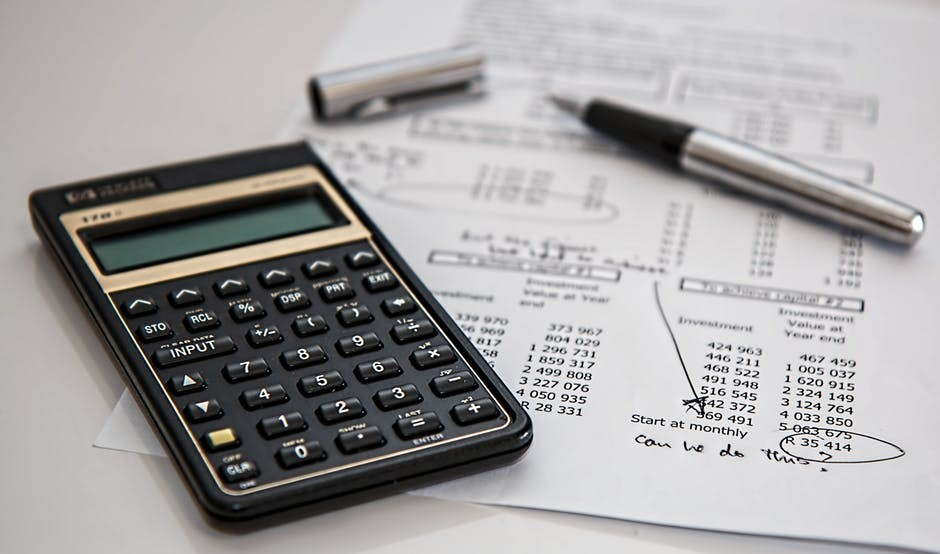
Draw up an itemised list of everything that you are spending and break it down into different categories. Ultimately, what you are trying to achieve is to have an inventory of essentials and nonessentials.
Most people don’t have a clear picture of where their money is going every month but this is a sure-fire way to achieve this. Some of the items that people class as necessities are actually luxuries so things like phone and cable bills are there to be slashed. And then there are the habits that you can alter as well.
So, avoiding impulse buying is important, as is setting a weekly budget while actually sticking to it. If you ingrain good habits when times are good, you should find yourself with extra funds so you can weather the storm when times get tough.
Examine Your Assets
Over time, you are likely to have accumulated some items that you no longer have any use for but you can sell them to make some extra cash in a difficult situation. This could be anything from clothes and jewellery to tools and technology.
Chances are that these won’t make you vast sums of money, so you can then start looking at bigger items like any property that you own, stocks or shares that you have or savings that you have accumulated.
You may also have assets that you have never really thought about before that the internet has helped to make more valuable.
In the sharing economy, people can offer out all manner of things including spare rooms, storage space, driveways or a seat in their car. It is certainly worth looking into all of these different possibilities so you can determine the full extent of any assets you possess.
Look for Financial Assistance
You may find that your best course of action is to turn to the experts. Financial planners and accountants well be better placed to outline the different options you have in front of you and the different responses that you could choose.
As well as helping you to manage any investments that you have, they can also give you a hand when setting up a budget. Even a single session can give you a whole host of information that you would never have considered on your own.
Build an Emergency Fund
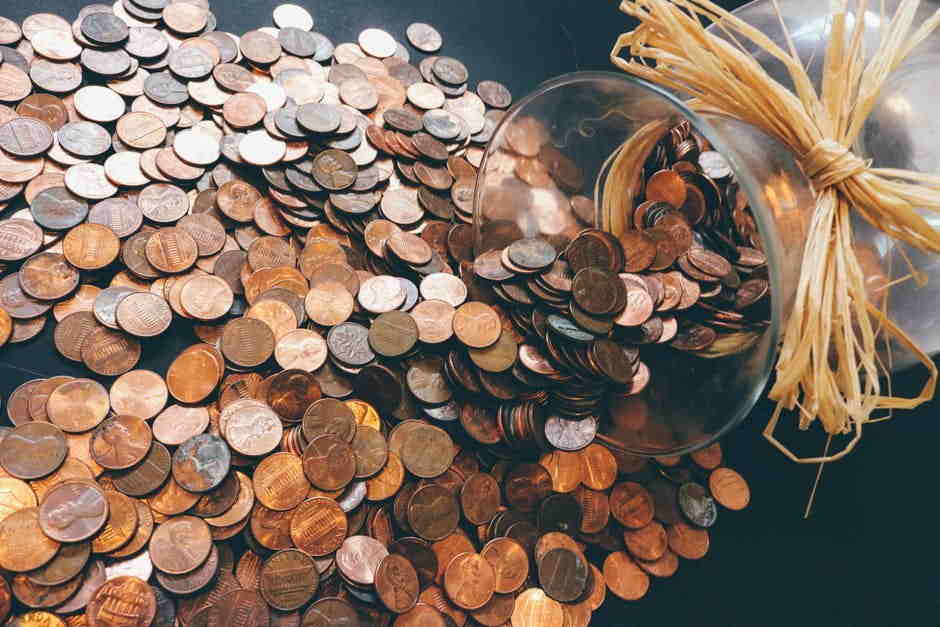
One of the most effective measures that you can take against financial setbacks is to build an emergency fund that you can draw on in difficult times.
As a rule of thumb, it is a good idea to have three to six month’s salary in your savings account so you give yourself time to find a new job if you lose your current one or you can deal with any big payments that you may need to make.
Try to get into a habit of putting away a percentage of your salary every month. If you receive pay increases, treat this as extra money that can be saved rather than disposable income that you don’t need to think about.
As well as being a prudent approach, you will also find that this is a good stress-relieving habit and you will always find yourself with cash regardless of the situation.
Work to Clear Your Debt
Before you think about savings and other investments, you should work to clear any outstanding debts that you have as these will mount up much quicker if you aren’t able to pay them off every month. Ultimately, it is a good idea to eliminate all credit cards from your life except for a single one that you can use when necessary.
These days, banks are all too quick to issue credit cards to people in poor financial situations so you should be careful not to get drawn in by the offers that they use to entice you. Make sure that you have a reminder set so you always know when it is time to pay your credit card bill each month so you can avoid racking up any unnecessary charges.
Financial setbacks are something that can happen when you least expect them, so your best course of action is to be prepared and ready to take on anything that life may throw at you. If you start to prepare when times are good then you will be in a much better position when things start to get difficult.

If you feel as though you just can’t stay focused during the day, or if you feel as though you just can’t stay on task no matter how hard you try, then it’s important to address the reason why.
If you can try to get more focused time in the day, then this will help you to perform better at work, and you may even find that you have more time to focus on the things that are important to you, rather than getting sidetracked all the time. If you want to find out more, then take a look below.
Audit your Time
The first thing you need to do is try to audit your time. You need to see how much of it is focused and how much of it is meaningful work. If this isn’t a good amount for you, or if you feel as though you need to increase your focused hours, then this will help you to see where your time is going first.
Ask yourself what is meaningful, and also make sure that you try to create time for more meaningful activities, rather than being distracted all day. If you can do this, then you can make positive changes that really help you later down the line.
You might also want to try to assess what you would like to devote more time to. Writing down 3-4 things here will help you hone in on what you can do to try to turn things around.

Create a Focused Workspace
Another thing you need to do is create a focused workspace. A lot of the time, you may find that you end up pushing back more meaningful tasks because they take longer. You might also find that you don’t have time right now to do something that is going to take you longer than half an hour.
If you want to help yourself, then you need to try to create a space that allows you to work. It’s important to set yourself up for success. Make sure that your space allows you to focus, and that you are also able to access your computer or any apps you might need.
If there is always something you need to do in the morning, try to take care of that the day before, so you can put yourself on a more positive path.
Eliminate Distractions
Eliminating distractions is so important. If you don’t feel as though anything is distracting you, then you may need some help on a more physical level. If you have not thought about it yet, then getting brain performance support with Unifiram can be good.
This is a great way for you to increase focus in the day while also making sure that you are not continually struggling with being distracted. Some foods will also increase your focus, and others will make you more distractible.
If you can do this, then you will soon find that it is easier for you to not only get more done in the day but also make sure that you are taking steps that benefit you down the line.

You’re Never Too Old to Achieve These Amazing Things

Four Things to Know Before Going Self-Employed

Lifestyle Habits To Protect Your Long-Term Brain Health

How to Survive a Major Financial Setback

Boosting your Concentration During the Day

125 Inspirational Car Quotes and Captions to Celebrate Your New Car

188 Deep Hurt Quotes with Images

148 Romantic Love Quotes for Her from the Heart

164 Relationship Goals Quotes for New Couples Expecting a Long Lasting Relationship

185 Cute Boyfriend Quotes for the Guy You Love
-
 Quotes5 years ago
125 Inspirational Car Quotes and Captions to Celebrate Your New Car
-
Growth6 years ago
188 Deep Hurt Quotes with Images
-
Quotes5 years ago
148 Romantic Love Quotes for Her from the Heart
-
Quotes5 years ago
164 Relationship Goals Quotes for New Couples Expecting a Long Lasting Relationship
-
Quotes5 years ago
185 Cute Boyfriend Quotes for the Guy You Love
-
Quotes5 years ago
141 Best Heart Touching Quotes about Love, Life, and Friendship
-
Quotes5 years ago
134 Time Flies Quotes for the Unforgettable Moments
-
Quotes5 years ago
122 Inspirational Kite Quotes That’ll Make You Wanna Fly Right Now